VN
 EN
10/11/2026, 11:02
Investment
A challenging time for real estate firms' adaptability
Ms Nguyen Huong, General Director of Eras Land, said that the pressure to meet business targets is mounting on real estate enterprises as the third quarter of 2026 comes to an end.
Will the real estate market trend in a more positive direction or remain fraught with difficulties? There is no definitive answer to this question, as the market depends on numerous factors, including unpredictable variables beyond enterprise control.
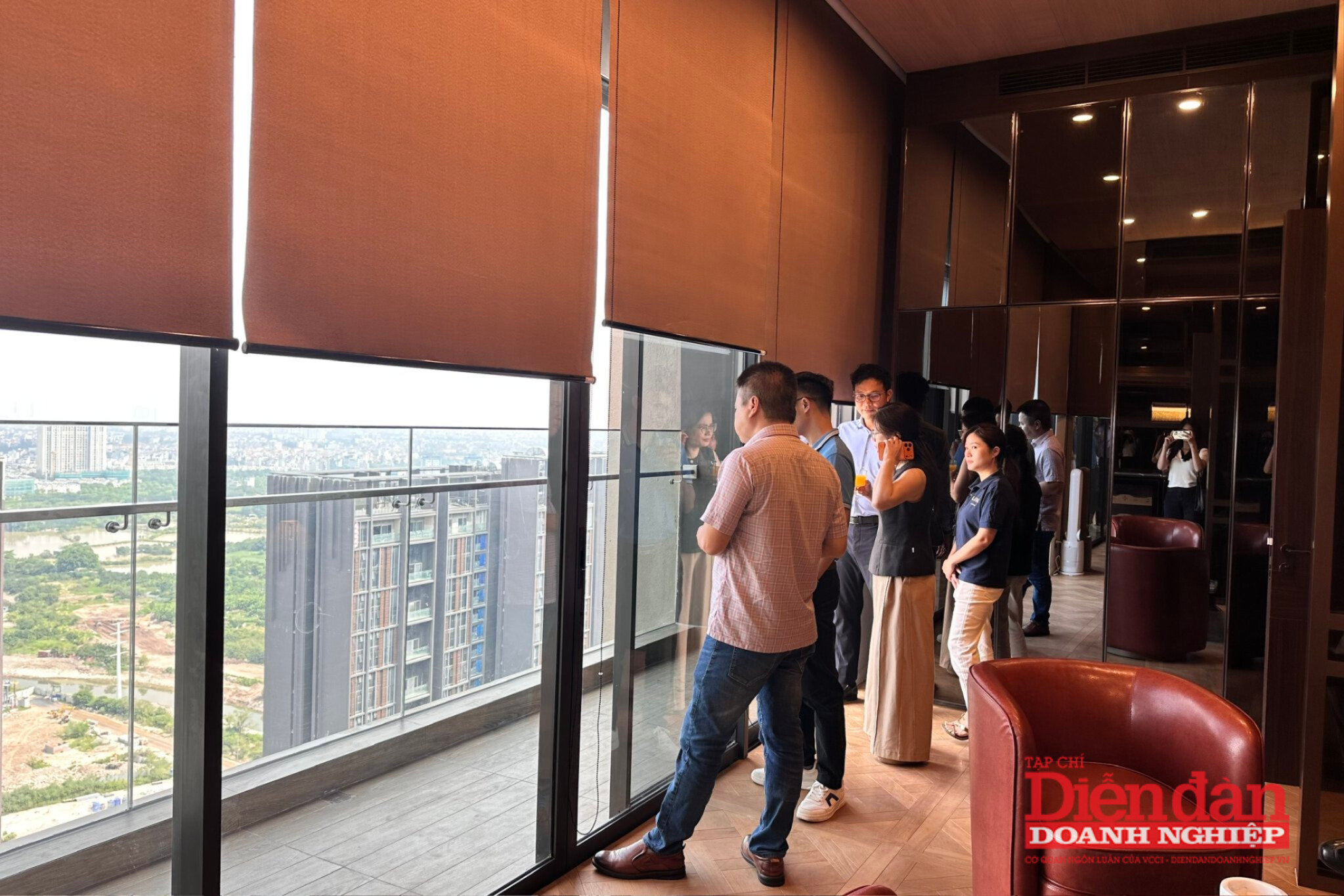
Liquidity, interest rates, and capital sources remain major challenges.
Supply Pressure
On the supply side, developers remain under pressure to release inventory in an effort to drive revenue and offset slow transactions from previous quarters.
Amid rising input costs, driven by elevated compensation costs, land use fees, legal fees, construction costs, financing costs, and marketing costs, pricing has become a major puzzle that developers must carefully solve to improve sales efficiency.
"A fierce battle for market share is taking place, with advantages leaning toward large, reputable developers with strong financial backings and large product scales, enabling them to attract distribution networks to their side", said Ms Nguyen Huong.
More than ever, enterprises are experiencing a clear imbalance as the gap continues to widen between top-tier brands and the remaining small-to-medium developers.
Project development capital has become a major bottleneck, requiring enterprises to find diverse, safe, and effective capital-raising channels.
In the long run, in Ms Nguyen Huong's opinion, the market may develop more synchronously, professionally, and transparently. However, in the short term, enterprises must find all possible solutions to adapt to current challenging conditions through various choices. This could involve restructuring, cutting costs, and slowing down or scaling back project implementations. Alternatively, it may mean maintaining operations with optimized costs while lowering revenue and profit expectations. For developers with stronger resources, the strategy may focus on continued investment, diversifying capital channels, and maintaining sales momentum to lay the foundation for the next phase.
The market is entering a strict filtering phase to identify developers capable of overcoming current challenges. M&A activity is also an inevitable trend for developers burdened with heavy debt and lacking the resources to sustain and develop projects.
Cautious Buyers, Pressured Brokers
On the demand side, consumer sentiment faces major hurdles due to multiple concurrent pressures.
Interest rates have remained high for several consecutive quarters, putting immense pressure on homebuyer loans. Existing borrowers are struggling to manage floating interest rates that have reached double digits, around 12–16%. As financial pressure builds, selling off, cutting losses, and accepting price reductions are no longer isolated incidents.
Ms Nguyen Huong said, without groundbreaking interest rate support policies and flexible payment schedules from developers, buyers would remain extremely cautious about acquiring new real estate assets during this phase. Reputable developers offering products that meet real housing needs, supported by complete ecosystems, cash-flow generation capability, and sustainable growth potential, will be prioritized by buyers for long-term ownership.
Additionally, ongoing legal adjustments by the Government regarding real estate laws continue to foster a "wait-and-see" attitude among citizens and enterprises. Moreover, policies concerning property taxes and transfer transaction taxes create added anxiety and caution for investors.
Real estate brokers are best positioned to gauge market sentiment as intermediaries connecting buyers and sellers. Many brokerage firms currently face unpaid commission fees and sharp drops in transaction volumes, directly impacting cash flow and forcing them to reallocate resources to sustain operations through this tough period.
"Brokerage firms are also re-evaluating their capabilities to adapt to the new environment. Choosing reputable developers with suitable, liquid products has become a matter of survival. As a result, firms must identify their core strengths to ensure focus and efficiency in sales", Ms Nguyen Huong shared.
A Transition Phase for the New Era
In Ms Nguyen Huong's view, the year 2026 can be viewed as a transitional period that shapes the upcoming journey for real estate businesses, presenting numerous challenges and tough competition. This demands that enterprises possess the agility to adapt to major changes, maintain a long-term vision, stay firm in their core business strategies, and build sufficient internal strength to weather tough times while preparing for the next strong growth cycle.
From a macroeconomic perspective, Vietnam's economy continues to show positive signals. First-half GDP in 2026 grew by 8.18%. By the end of August 2026, public investment disbursement reached approximately 510 trillion VND. Total registered foreign direct investment (FDI) in the first 8 months reached 40.63 billion USD. Coupled with expectations for sustained high economic growth, infrastructure development is progressing rapidly, with key major projects being launched. These elements will contribute to elevating the national status and transforming Vietnam's urban landscape in the future.
However, before these long-term drivers produce more tangible impacts, real estate enterprises must address immediate challenges regarding liquidity, cash flow, and operational sustainability.
"The final months of 2026 will continue to test the adaptability of real estate enterprises. This period will also serve as a market filter, identifying businesses with sufficient internal resilience to navigate difficulties and prepare for a new development cycle", Ms Nguyen Huong forecasted.
Author: TRUONG DANG
RELATED TOPICS
RECOMMENDED TOPICS