 VN
 EN
08/10/2026, 02:00
Legal environment
Clarifying the service life of apartment buildings
Clarifying the service life of apartment buildings is expected to create a more transparent basis for handling structures, while specifically defining owners' rights when rebuilding.
Under Resolution 278/NQ-CP dated September 18, 2026, the Government instructed the Ministry of Construction to clearly regulate the duration of use for apartment buildings based on their construction service life, ensuring consistency with building use terms specified under construction law.

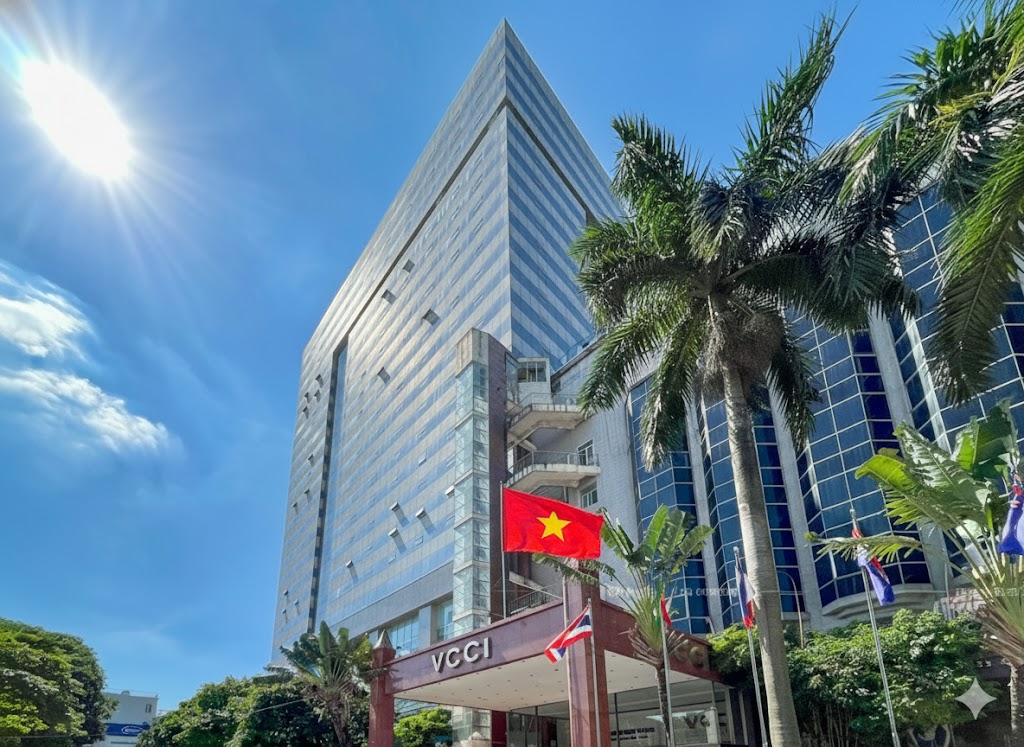
The duration of use for apartment buildings is determined by the construction service life and linked to structural inspection and quality assessment. Photo: VA
Not Just the Service Life of Construction
Notably, the Resolution also requires specific provisions for handling apartment buildings that have reached the end of their service life. This includes clarifying the rights and obligations of owners, such as the right to continue using land use rights to rebuild the apartment complex, as well as financial obligations for new construction once the term expires.
Previously, during the drafting of the amended Law on Housing, the Ministry of Construction proposed a provision for "term-limited apartment ownership." However, this proposal was subsequently removed from the draft.
Following adjustments, the draft retains regulations regarding the duration of use for apartment buildings, which is determined based on design documentation and actual usage duration according to inspection conclusions under construction law. When an apartment building reaches the end of its design service life or is damaged and poses a risk of collapse before reaching that limit, competent authorities will inspect and evaluate the structure's quality.
Commenting on this issue, Mr. Pham Duc Toan—General Director of EZ Property—stated that clearly establishing a building's service life is necessary, as apartment buildings, like other construction works, have a defined lifecycle and must eventually be inspected, repaired, or rebuilt.
According to him, the main difficulty currently lies in renovating and rebuilding old apartment complexes. When a structure deteriorates, handling it directly impacts the rights of numerous owners, making it complex to reach a consensus on renovation, relocation, and rebuilding plans.
Mr. Toan believes that construction works cannot last forever. At a certain point, structures must be repaired or demolished for rebuilding. The key is having clear regulations so that when that time comes, the rights and obligations of property owners are specifically defined.
The crucial aspect is not just determining the exact number of years for the service life, but establishing clear post-expiration handling mechanisms. Residents need to know how the building will be inspected, when it must be demolished, what the resettlement options are, and what financial obligations owners face if the building is rebuilt.
Transparent Post-Service Life Mechanisms
From a market perspective, market analysts also view separating a building's technical service life from property rights as essential.
Ms. Pham Thi Mien—Deputy Director of the Vietnam Association of Realtors Market Research Institute (VARS IRE)—noted that regulating apartment usage terms based on building service life helps complete the legal framework for apartment housing. She explained that the adjustment applies to the apartment's usage period, which corresponds to the technical lifespan and safety level of the structure.
Ms. Mien analyzed that while land use rights can be stable over the long term, physical buildings always have a limited lifecycle influenced by time, construction quality, operating conditions, and maintenance. Therefore, linking the apartment usage period to the building's service life reflects the technical nature of the asset rather than assuming the building has a perpetual lifespan.
According to VARS IRE, along with determining service life, clear technical standards must be established to define usage terms transparently, consistently, and effectively in practice.
VARS IRE also recommended detailing mechanisms to protect property owners' rights after a building's service life ends. This includes participation rights in redevelopment, housing allocation rights post-reconstruction, and defined financial rights and obligations.
For new apartment projects, VARS IRE suggested suitable transitional provisions and implementation roadmaps, alongside enhanced public communication to help people distinguish between a building's technical service life and long-term land use rights.
According to the institute, defining the usage term for apartment units does not remove long-term land use rights; instead, it aims to manage the building's lifecycle, ensuring safety and protecting residents' interests when the structure reaches the end of its service life.
Author: MAN NHI - TRUONG DANG (translates)
RELATED TOPICS
RECOMMENDED TOPICS