 VN
 EN
18/11/2026, 02:38
Investment
HCMC DDCI – A solution to "listen and understand" the business community
The Department and District Departmental Competency Index (DDCI) of Ho Chi Minh City in 2026 is being implemented with adjustments in survey methodology and data access approaches.
To better understand the significance, methodology, and action orientation derived from this year's DDCI results, a reporter from Business Forum Magazine had a conversation with Ms. Ho Thi Quyen – Deputy Director of the HCMC Investment and Trade Promotion Center (ITPC), the standing agency implementing the City's DDCI Survey Project.
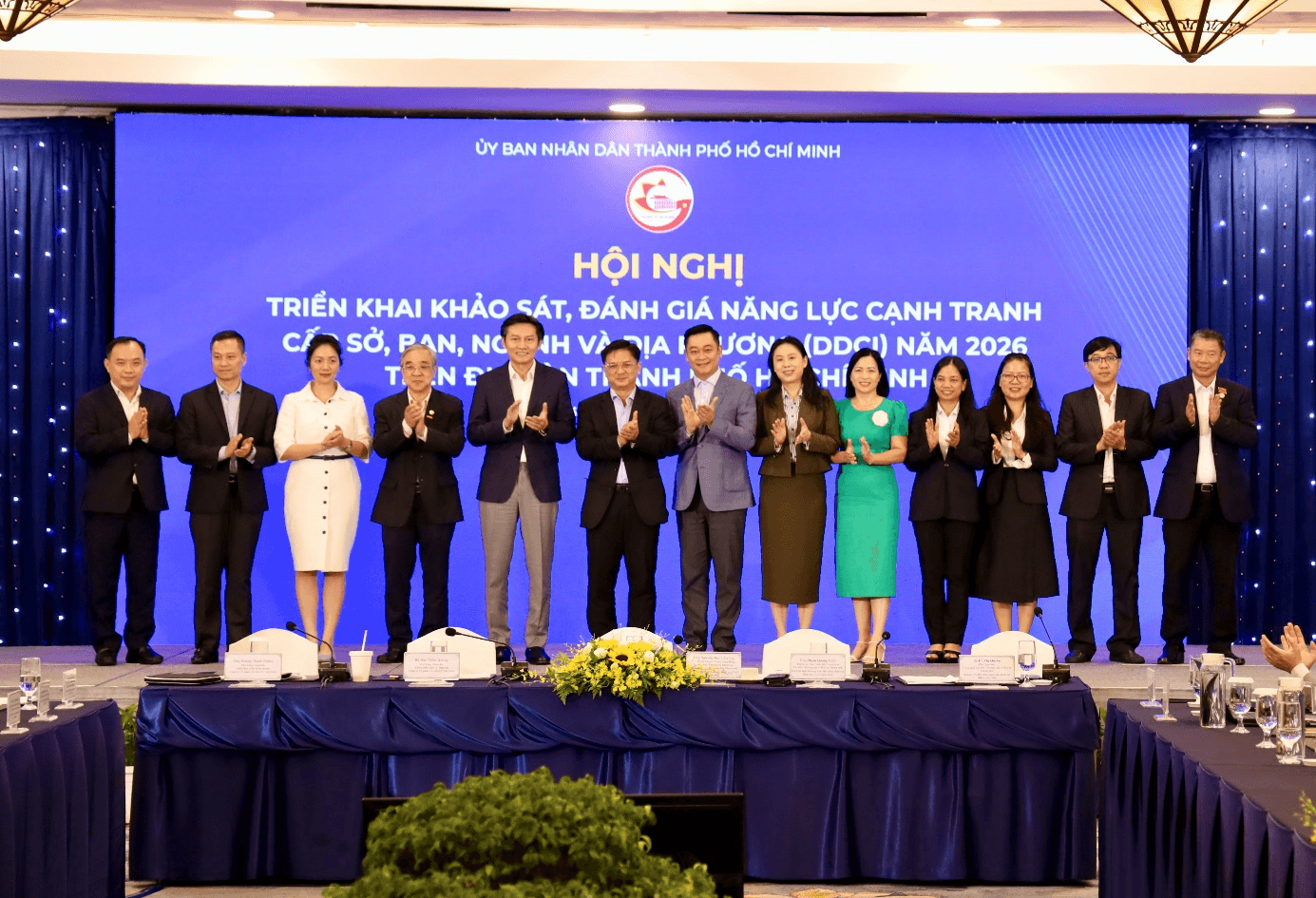
Members of the HCMC DDCI 2026 Survey and Evaluation Council launched at the Conference
DDCI: A substantive feedback channel, "diagnosing" for continuous reform
- Madam, what is the significance of the DDCI assessment in listening to and identifying business difficulties, helping departments, sectors, and localities improve their administrative governance quality?
In my view, DDCI should not be seen merely as a ranking table among state agencies. The core goal of DDCI is to create a substantive feedback channel, converting the actual perceptions and real-world experiences of businesses during administrative transactions into a quantitative data system. This data can be directly cross-referenced among units and continuously monitored over time.
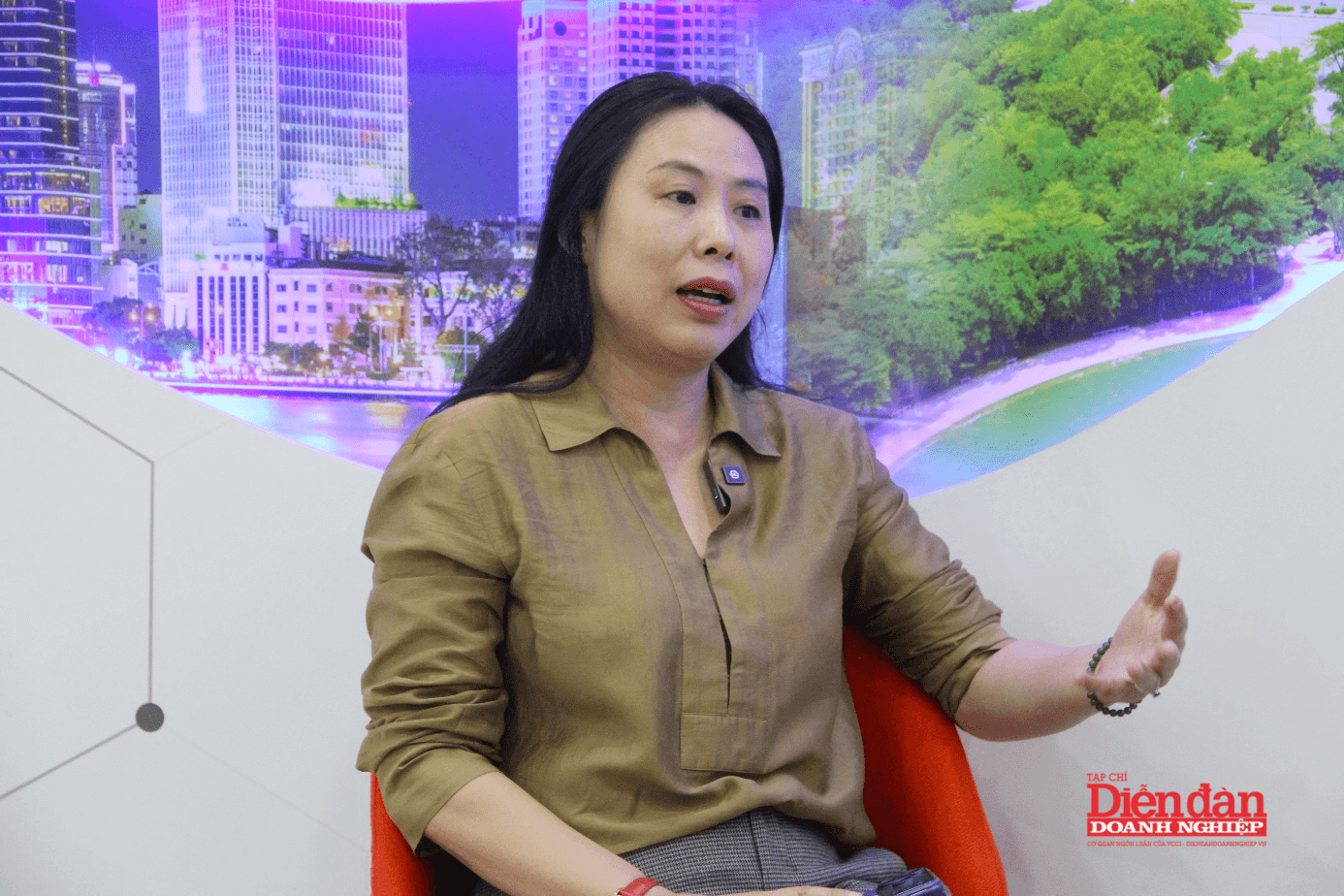
Ms. Ho Thi Quyen – Deputy Director of the HCMC Investment and Trade Promotion Center (ITPC) speaking with a reporter from Business Forum Magazine
Business evaluations are always somewhat subjective. However, when gathering thousands of those perceptions in a scientific manner, the City gains more grounds to identify the bottlenecks affecting the investment and business environment. High or low DDCI scores generally affect the entire City and are closely linked to the Provincial Competency Index (PCI). Regular evaluation of DDCI helps the City Party Committee and HCMC People's Committee recognize the leadership efficiency of local party committees, authorities, as well as the heads of departments, boards, and sectors in economic management and administration.
What we aim for is that the survey results do not just stop at scores or rankings, but help each agency specifically identify areas that need improvement.
- One of the biggest barriers for businesses when offering feedback is the fear of being "targeted." How has ITPC solved this problem, madam?
The important difference that determines the reliability of DDCI compared to direct dialogue formats is the anonymity mechanism. In fact, at the training conference on August 24, 2026, a representative of the HCMC Food Association shared that the hesitation of being "targeted" when giving feedback on sensitive areas such as taxation or customs remains very high.
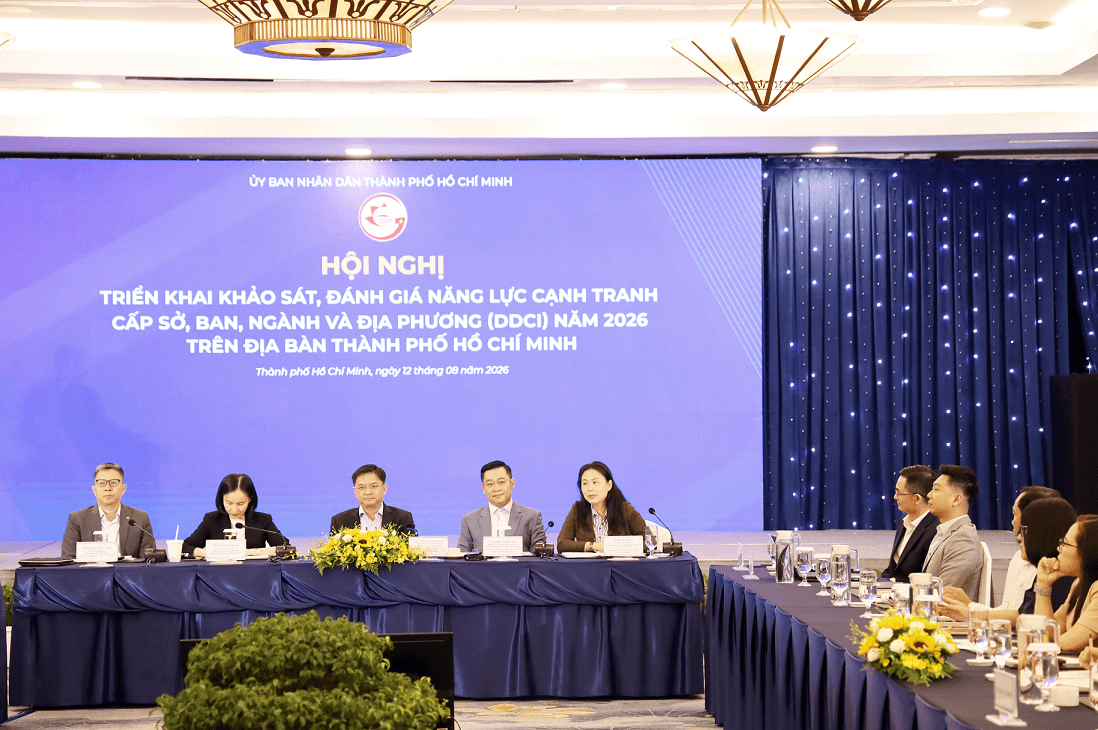
DDCI Implementation Conference
To solve this psychological problem, all DDCI survey data this year is encrypted, stored, and processed according to the security procedures of EY Vietnam, the official independent consulting firm selected to conduct the survey. The survey design aims to protect business information and limit the ability to link a specific evaluation comment to the identity of the respondent. This mechanism helps reduce hesitation, creating favorable conditions for businesses to truthfully reflect practical difficulties.
In 2026, the DDCI survey scope was significantly expanded by the City, covering all 22 departments, boards, and sectors, as well as all 168 wards, communes, and special zones after the City completed its administrative boundary reorganization. The new ward, commune, and special zone levels are precisely where businesses, cooperatives, and household businesses directly interact and resolve daily administrative procedures the most.
Along with that, this year's DDCI Questionnaire directly targets specific measurement figures in practical experience, such as processing time for applications, time spent working with inspection teams, and business resources expended. Simultaneously, each component index includes an open box for businesses to freely leave their own comments. Thanks to this, every piece of feedback is tied directly to a specific issue, paving the way for in-depth analytical reports.
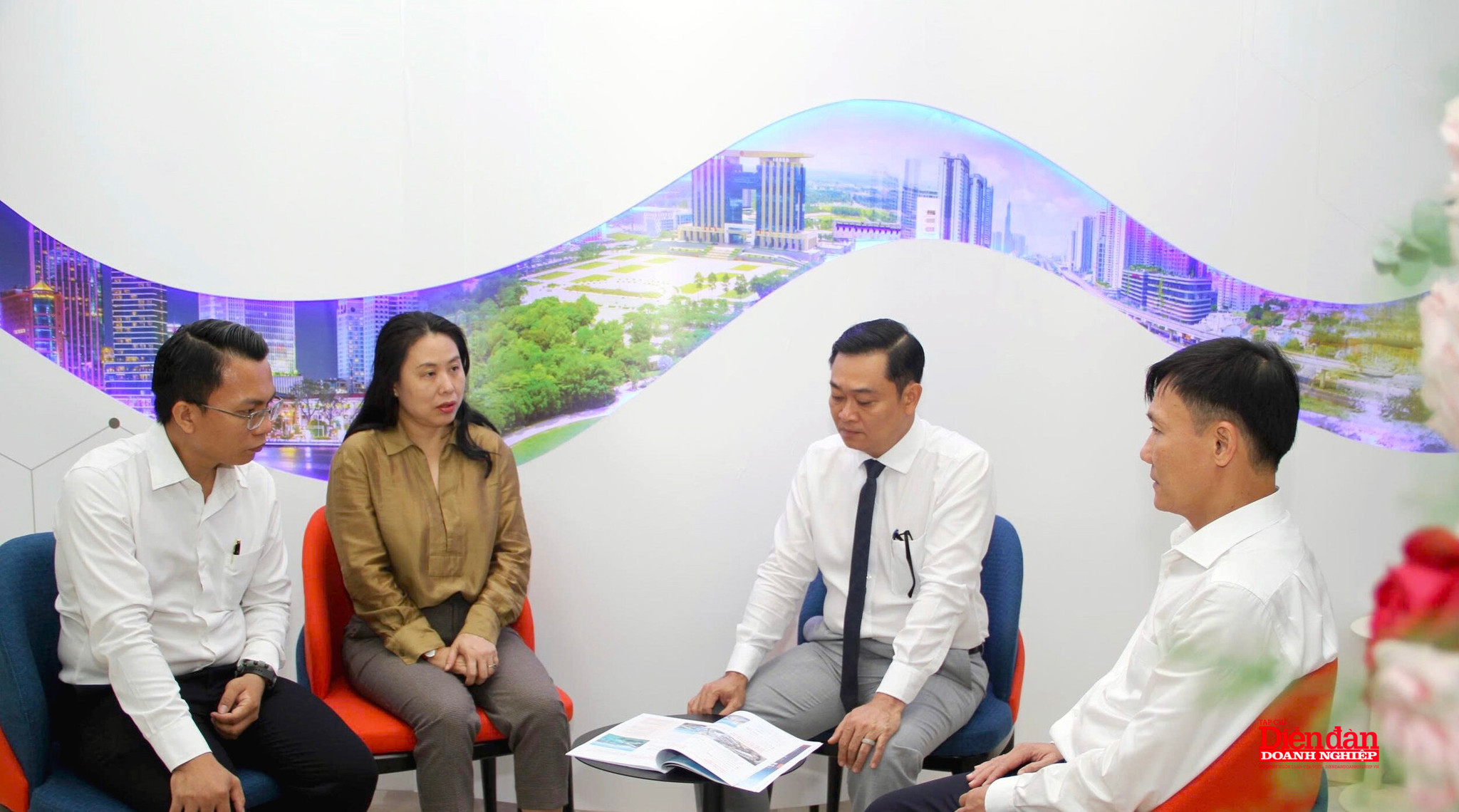
ITPC Board of Directors discussing investment promotion work
As directed by Mr. Nguyen Manh Cuong, Deputy Chairman of the HCMC People's Committee and Chairman of the DDCI 2026 Evaluation Council: Businesses only need to spend about "20 minutes out of 365 days" to participate in the survey. The results obtained are not used to create pressure on scores or rankings, but serve as a foundation for each unit to self-reflect, self-correct, and identify limitations to proactively adjust, contributing to improving the overall competitiveness of HCMC.
- According to you, how has ITPC oriented the innovation of the DDCI 2026 evaluation methodology to ensure simplicity, substance, and healthy competitive motivation?
The DDCI 2026 set of indicators was developed by inheriting the methodology of previous editions, but reviewed and adjusted through appraisal steps. Innovation orientations this year focus synchronously on 4 breakthrough directions:
First, optimizing and simplifying the questionnaire. The program completely separates the questionnaire system into two independent links: one for businesses and investors, and another for cooperatives and household businesses. This separation accurately reflects the differences in economic scale, public service needs, and legal access capabilities between the two groups, eliminating sample noise. The system also automatically filters information: when choosing to evaluate a specific agency, the system only displays the specific indicators of that agency.
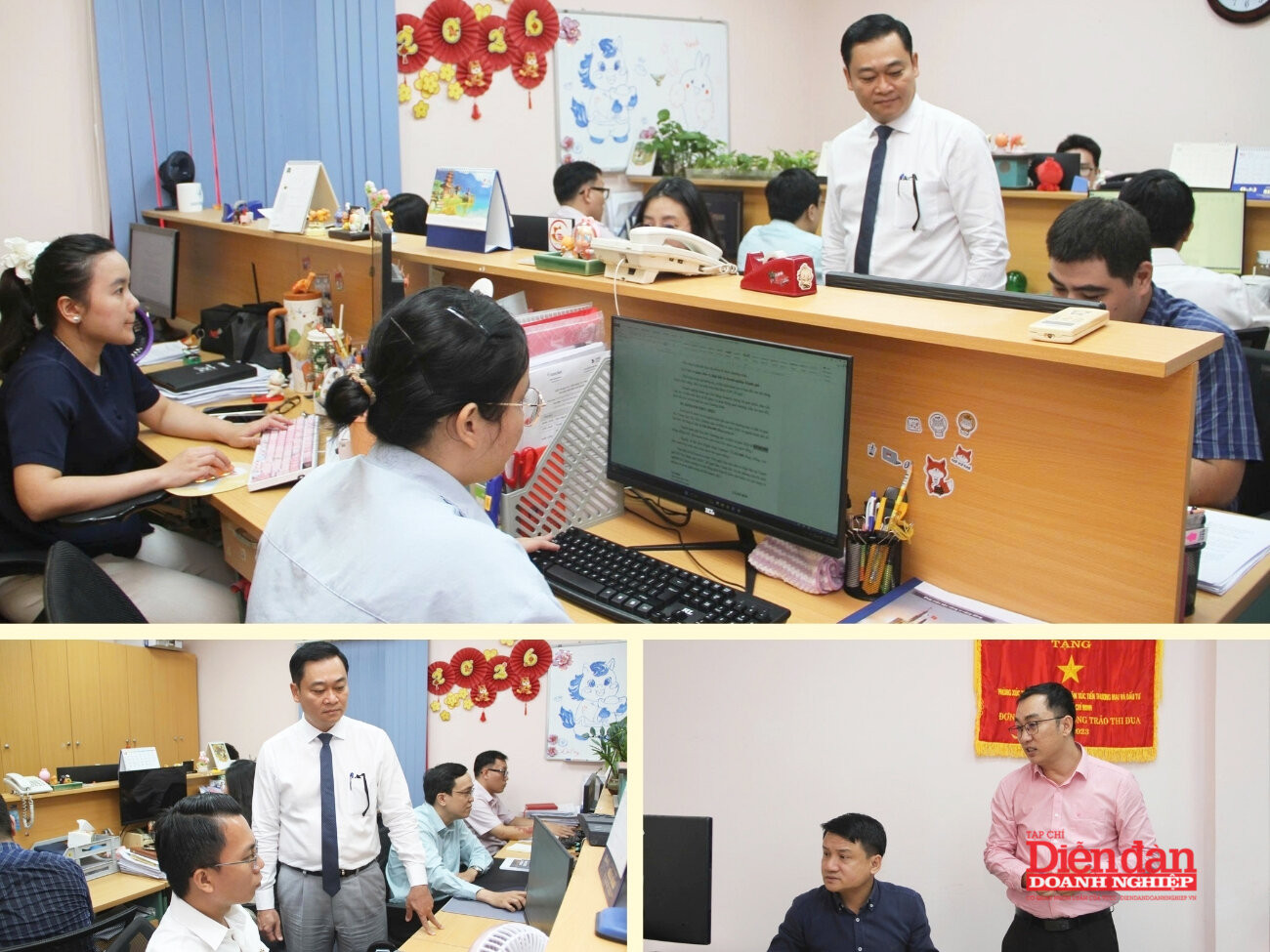
Professional departments of the HCMC Investment and Trade Promotion Center (ITPC)
Second, enhancing substance by combining common and specific indicators. Results are guaranteed thanks to a harmonious combination formula: about 80% common indicators applied uniformly and about 20% specific indicators based on the distinct management functions of each agency. For example, City Taxation has an additional indicator on the effectiveness of the self-assessment tax mechanism and support policies for household businesses converting to enterprises; the Department of Finance is evaluated based on the percentage of businesses required to amend conditional business registration files 3 or more times.
Third, tightening the data control and processing workflow. All data goes through an automated filtering process using algorithms. Scores are uniformly converted to a 1 to 10 scale. The weight of each component index (ranging from 5% - 15%) is determined based on synthesized proposals from businesses, independent consultants, and the Evaluation Council. The system includes review steps to identify questionnaires with abnormal signs. The processing of these questionnaires adheres to established data control rules.
Fourth, layering the evaluation structure and ensuring independent objectivity. The indicator set structure is divided into two distinct blocks: The department/board/sector block is evaluated across 9 component indicators; The local block is evaluated across 10 component indicators (adding land access and land use stability indicators). In particular, out of the 24 members of the DDCI 2026 Evaluation Council, the vast majority are independent economic experts, scientists, and representatives of business associations. The presence of representatives from administrative agencies is minimized to ensure neutrality.
- From past experience, which key solutions will ITPC prioritize advising on to help units overcome limitations and improve business satisfaction, madam?
Drawing from practical experience, we have identified 3 key issues: First, reports must not stop at announcing rankings but must clearly point out the operational "bottlenecks" of each unit. Second, the results of handling petitions must be publicly updated so businesses can clearly see that their feedback is effective. Third, the distribution of survey forms must ensure reach to the personnel directly performing administrative procedures.
On that basis, ITPC is proposing two key solution groups after the results are announced:
Building a remediation mechanism with periodic monitoring: For units with component indicators falling below the City's overall average, according to the proposed plan, units will identify contents requiring improvement, implementation deadlines, and responsible focal points appropriate to their authority. ITPC will synthesize survey results and recommendations, reporting to competent authorities for consideration, direction of coordination, and follow-up monitoring. This process is tightly linked to the City's PCI improvement efforts.
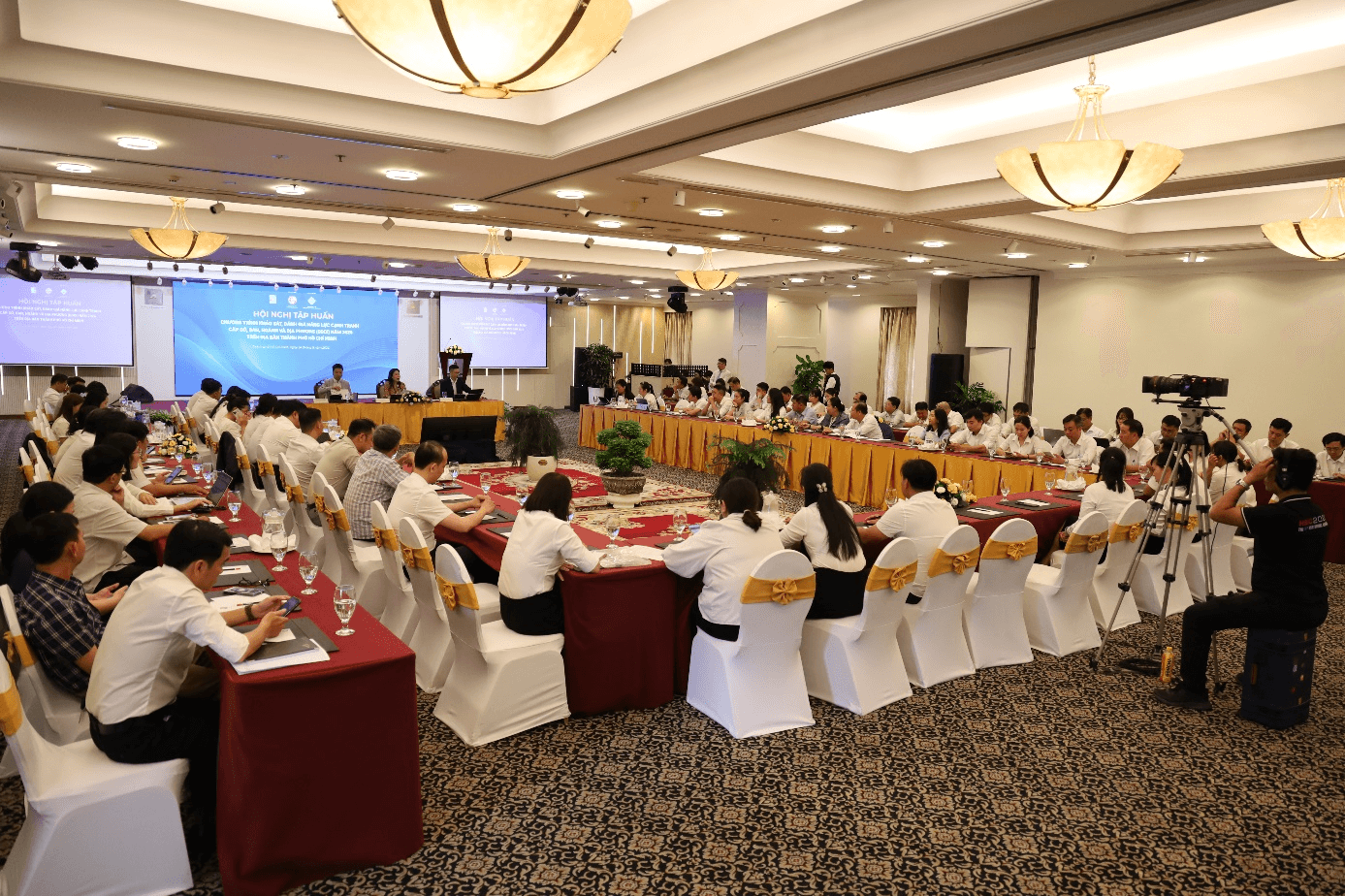
Training conference on the 2026 survey and evaluation program (DDCI) in HCMC
Accurately classifying causes to apply correct solutions: It is necessary to clarify whether a low index is due to internal responsibilities of a single unit or a sign of general institutional obstacles, thereby proposing appropriate resolution solutions at the City or local level.
According to the roadmap, the independent consulting firm is urgently processing data and finalizing the in-depth report in Q4. The results of the HCMC DDCI 2026 survey will be submitted to the City People's Committee for approval and are expected to be officially announced in December 2026.
With fundamental innovations and active participation from the business community, we expect the 2026 DDCI results to provide further practical evidence for agencies to review processes, improve service quality, and better meet business needs; joining hands to promote administrative reform and contributing to building Ho Chi Minh City into a dynamic, transparent, and top safe investment destination.
- Thank you very much, madam!
Author: KIM DUNG - VU PHUONG (Truong Dang translates)
RELATED TOPICS
RECOMMENDED TOPICS