 VN
 EN
12/10/2026, 02:00
Investment
Hung Yen develops semiconductor industry linked with supporting industries
Not only attracting high-tech projects, Hung Yen is clearing the path into the semiconductor supply chain through supporting industries, specialized infrastructure, and domestic enterprise capabilities.
The semiconductor industry is often seen through modern chip manufacturing plants. But behind every chip is an ecosystem consisting of materials, electronic components, precision mechanics, automation, metrology, and cleanrooms.
Therefore, Hung Yen has chosen a suitable path: leveraging its processing and manufacturing foundation, upgrading supporting industries, and selecting segments where local enterprises can participate.
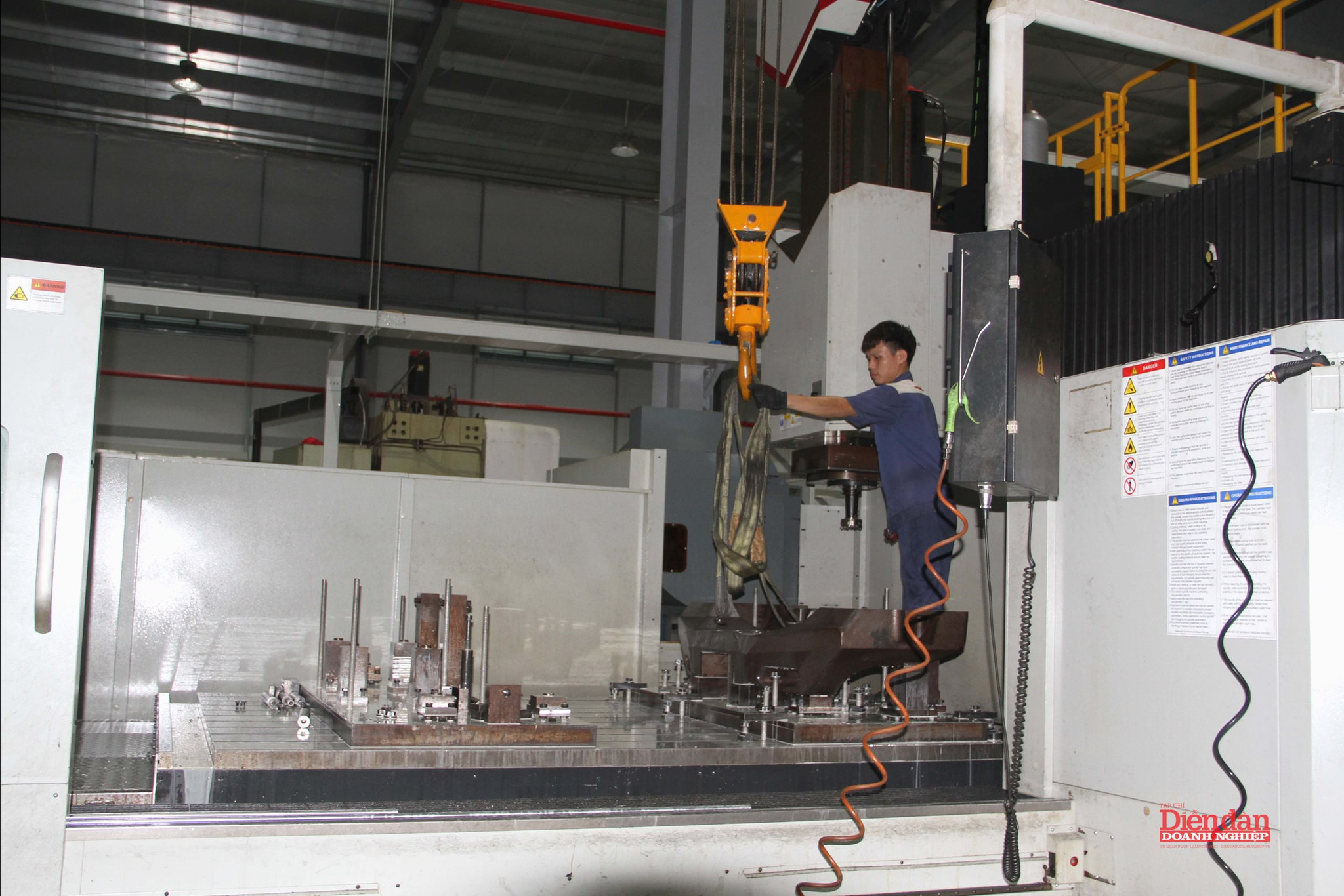
TMD Vietnam Technology Co., Ltd. is a precision mechanics enterprise manufacturing molds, machine parts, jigs, and inspection gauges, gradually upgrading standards to participate deeper in the global high-tech supply chain.
From Manufacturing Industry to Semiconductor Ecosystem
Hung Yen currently has 1 economic zone, 23 industrial parks with a total area of over 5,890 hectares, and 74 industrial clusters with a total area of over 3,931 hectares. The processing and manufacturing industry accounted for approximately 37.8% of GRDP in 2025.
On that foundation, the province prioritizes the development of electronics, semiconductors, digital technology, automation, precision mechanics, and supporting industries. This is a suitable choice because semiconductors rely on a supplier network with high precision, stability, and strict compliance with standards.
According to the leadership of Hung Yen's Department of Industry and Trade, semiconductor development must be placed within the overall industrial restructuring, linked with enhancing the capacity of supporting enterprises.
The Department of Industry and Trade acts as the focal point to advise the province in selecting the right segments, while simultaneously developing supporting industries such as electrical-electronics, precision mechanics, automation, materials, equipment, and technical services. Without local enterprises with sufficient capacity, even modern semiconductor projects would struggle to create a deep ripple effect.
Accordingly, the Department of Industry and Trade needs to serve as a hub to review supplier capabilities, identify missing enterprise standards, organize connections by product group, and coordinate support for technological innovation, quality management, and certification.
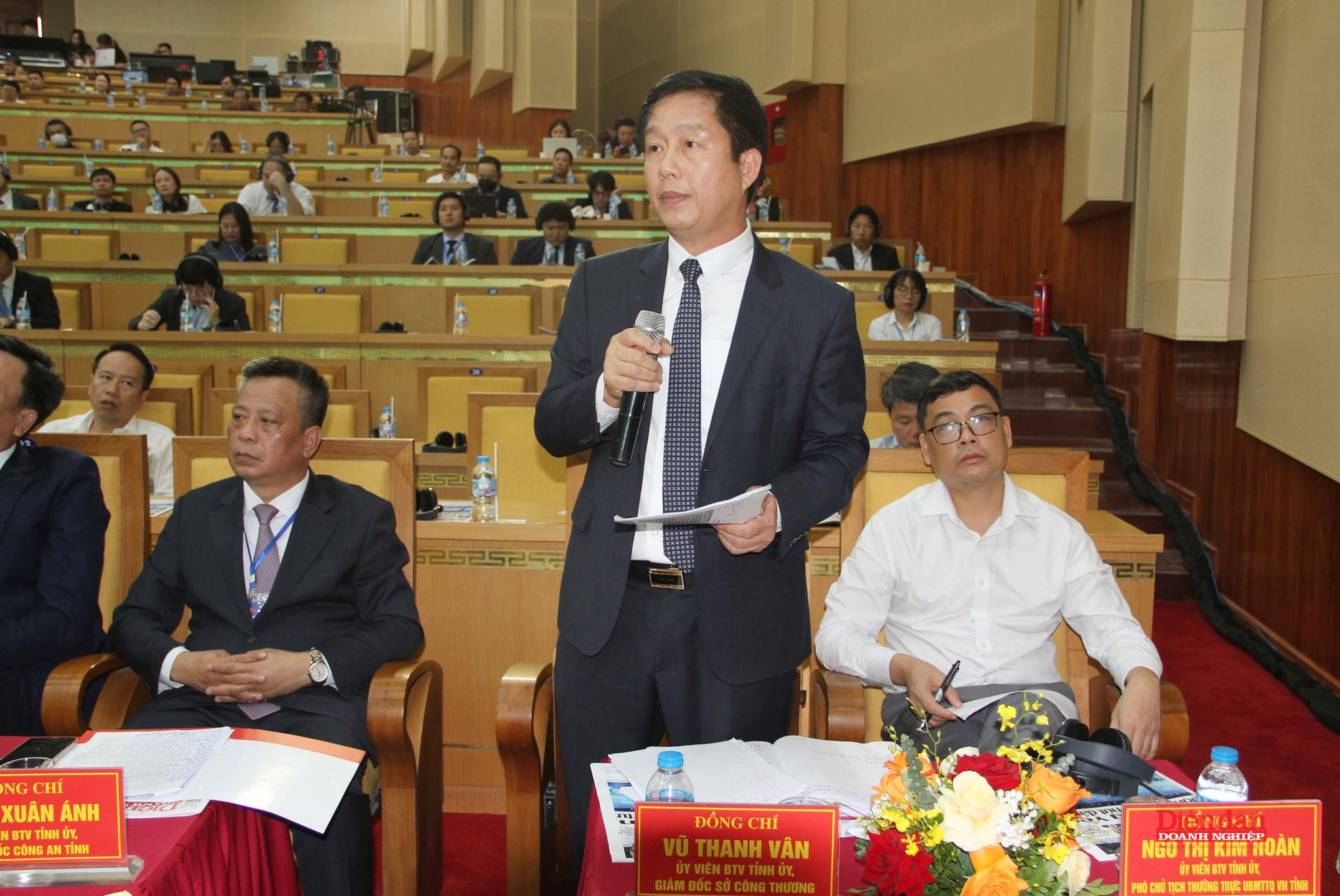
Mr. Vu Thanh Van – Director of Hung Yen Department of Industry and Trade (standing) answering inquiries from Japanese enterprises at the Hung Yen – Japan Connection Program in June 2026.
Precision Mechanics Opening the Door to Value Chains
A semiconductor factory requires many supporting products and services: machine parts, molds, jigs, robots, testing machinery, and cleanroom equipment.
In Hung Yen's supporting industrial ecosystem, TMD Vietnam Technology Co., Ltd. is one of the enterprises that has built capacity in precision mechanics, molds, machine parts, jigs, and inspection gauges. These are all crucial products and tools in electronics, automation, and high-tech manufacturing.
From this foundation, the company is positioned to gradually upgrade technological standards, quality management, and testing capabilities to access demanding supply chains, including electronics and semiconductors.
Mr. Tran Van Long, Director of TMD Vietnam Technology Co., Ltd., believes that the barrier for domestic enterprises is not just machinery investment capital, but also the gap in standards, metrology, and supply track record.
“Vietnamese mechanical enterprises can participate in areas such as precision parts, molds, jigs, inspection gauges, and auxiliary equipment. However, to step into the electronics and semiconductor chains, businesses must make long-term investments in machinery, human resources, and quality management. What enterprises need are opportunities to access technical requirements, test products, and execute initial orders,” Mr. Long shared.
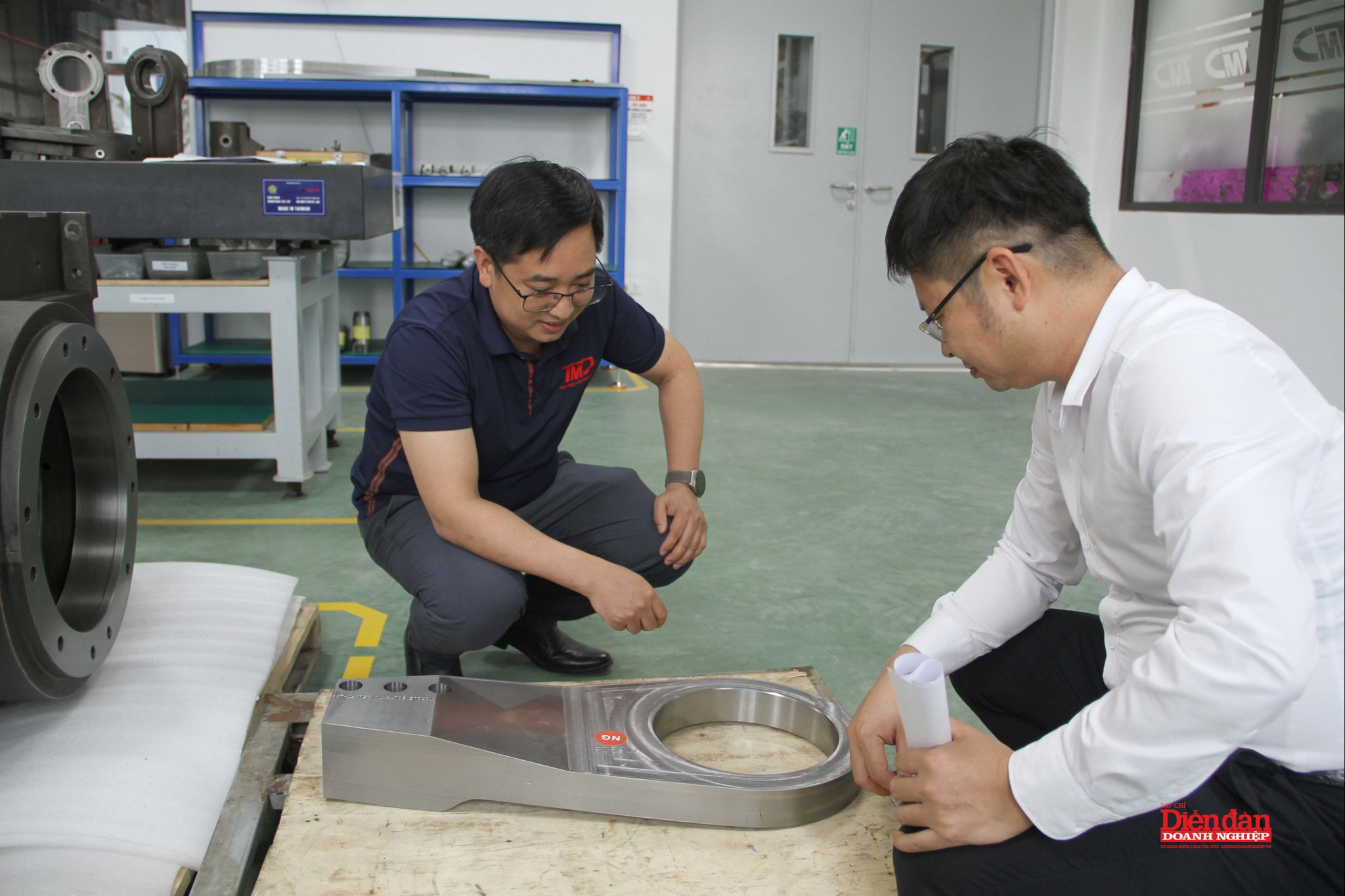
Mr. Tran Van Long, Director of TMD Vietnam Technology Co., Ltd. (in blue shirt), introducing a company product.
From that reality, Hung Yen needs to build shared metrology, calibration centers, and laboratories; assist enterprises in accessing international standards; and implement multi-year supplier development programs.
Hung Yen holds advantages in location, industrial infrastructure, and FDI inflows. The long-term benchmark for projects should be the number of local suppliers participating, the number of technical workers trained, the level of technology spillovers, and the value retained within the provincial economy.
If raw materials, equipment, technical services, and most specialized personnel come from outside, modern factories risk becoming "FDI islands."
Therefore, attracting semiconductor investment must be tied to commitments to develop Vietnamese suppliers, train human resources, and establish R&D divisions. Major corporations should be encouraged to publish purchasing needs, assist in evaluating suppliers, and open opportunities for domestic firms to execute trial orders.
According to the Department of Industry and Trade, the success of a high-tech project lies not only in the new capabilities formed in surrounding businesses but also in the products manufactured inside the factory. The Department, therefore, acts as both a policy advisor and a bridge between investors, supporting industry enterprises, training institutions, and science-technology organizations.
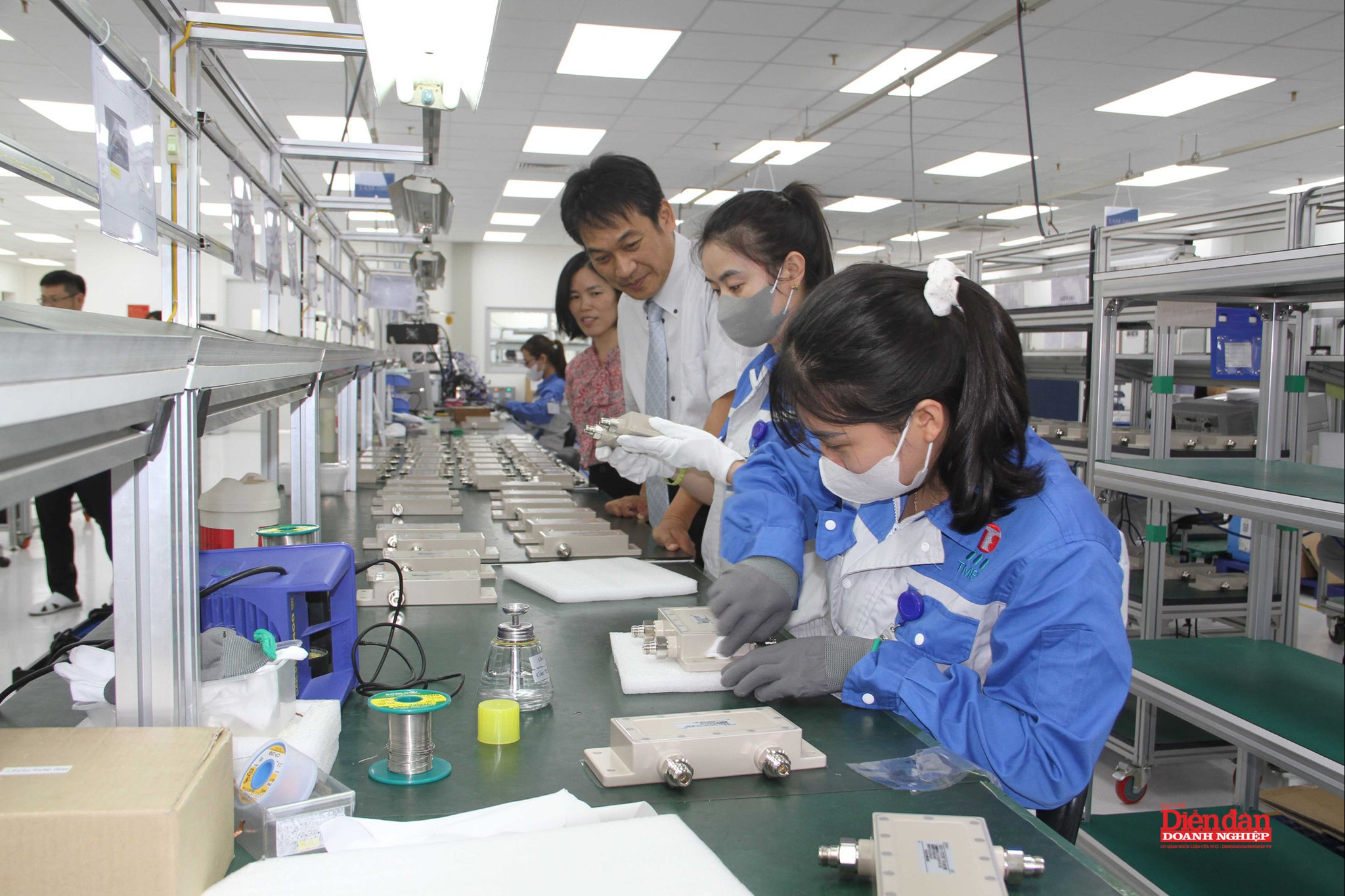
Tamagawa Vietnam Factory at Industrial Park No. 03 - Eco Land produces telecommunications equipment and high-frequency communication devices serving 5G infrastructure.
Human resources must also lead the way. In addition to IC design engineers, the semiconductor industry requires technicians for operation, maintenance, automation, quality inspection, cleanrooms, and supply chain management. Hung Yen needs to train according to actual business demand.
Semiconductor development must also go hand-in-hand with green requirements. Certain stages consume large amounts of electricity, water, and specialized chemicals. Therefore, the province needs to control energy demand, recycle water, treat waste, and commit to emission reductions starting right from project selection.
A semiconductor project can mark an investment attraction milestone. But a layer of local businesses capable of producing components, molds, equipment, and providing technical services is what builds sustainable industrial capability.
When the foundation of supporting industries is solid, semiconductors will become the driving force taking Hung Yen’s industry from processing and assembly to innovation, technology mastery, and higher added value.
Author: KIM DUNG - VU PHUONG (Truong Dang translates)
RELATED TOPICS
RECOMMENDED TOPICS