 VN
 EN
05/10/2026, 02:00
Legal environment
Paving the way for a thriving rental housing market
The draft amended Housing Law introduces a dedicated policy framework covering land allocations, eligible beneficiaries, and investment incentives as demand for rental accommodation in Vietnam surges past the one-million-unit mark.

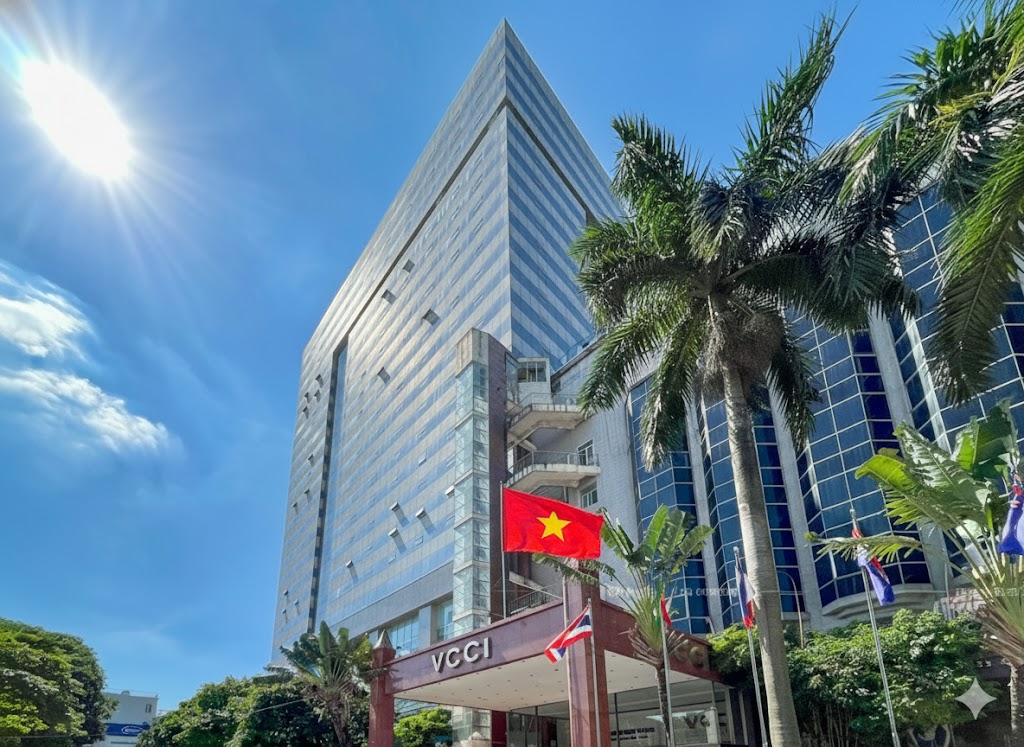
The demand for rental housing in urban areas and labour-intensive regions is high. Photo: VA
The Ministry of Construction is currently gathering public feedback on the draft amended Housing Law, which incorporates a standalone chapter specifically dedicated to rental property – a sector previously lacking distinct regulatory oversight under current legislation.
Expanding access
Under the latest draft submitted for review, rental housing will be funded via both public and private capital. The Ministry of Construction proposes that Vietnamese citizens facing housing hardships or requiring accommodation be eligible to rent units developed through either State-backed or private projects. Furthermore, privately funded developments will be permitted to house foreign nationals, including contract workers, scientists, and expatriate specialists.
Should demand exceed available supply, priority allocation will follow a strict order of precedence: war veterans and families of fallen soldiers, individuals with disabilities, senior citizens, households relocated due to land acquisition who have yet to secure resettlement, and qualified specialists and scientists. Families with two or more children will also fall under the priority category, with Provincial People’s Committees empowered to tailor specific criteria based on regional circumstances.
Rental prices will be determined via market-driven agreements between developers and tenants. Rates are to be calculated based on full cost-recovery principles, incorporating capital expenditure, ongoing maintenance, operating costs, and commercial profit margins, while explicitly excluding state-funded subsidies or tax breaks.
In a key policy shift presented to the Ministry of Justice, the Ministry of Construction proposes that planning authorities systematically set aside dedicated land banks for rental housing when formulating urban and rural master plans. These allocations must be sited within ward-level jurisdictions of Special, Class I, Class II, and Class III municipalities, alongside Transit-Oriented Development (TOD) corridors, or in close proximity to industrial zones, export-processing areas, and higher education institutions.
At a high-level legislative meeting on 16 September, Prime Minister Le Minh Hung instructed the Ministry of Construction to ensure the bill fully aligns with Party guidelines while remaining responsive to feedback from citizens and businesses. The Ministry of Construction was directed to refine mechanisms governing condominium tenure limits, rental housing formats, and accompanying financial frameworks. The provisions must aim to streamline investment processes, expand supply, and lower barriers to entry, thereby catering to the population's long-term housing needs.
According to Ministry of Construction’s estimates, national demand for rental housing has breached one million units, with approximately 85% concentrated among industrial zone workers. Regarding the public property portfolio, as of late August 2026, the country managed 205,074 state-owned rental units, of which 188,025 were occupied and 17,049 remained unallocated.
Creating incentives to mobilise private capital
To attract developers into the rental housing market, regulators are tabling a suite of incentives. For private-sector projects, the Ministry of Construction proposes granting project approvals and developer designations directly, bypassing competitive bidding processes. Land-use fees and land rents may be waived, alongside preferential Value Added Tax (VAT) and Corporate Income Tax (CIT) treatments. Developers may also be granted permission to convert a portion of their site footprint into commercial housing for sale.
Mobilising capital is a central imperative, given that the private sector is expected to bear the brunt of future investment. According to government estimates published in August, total capital required for rental housing development is projected at VND 87.597 trillion (to yield roughly 145,889 units). Private equity is targeted to contribute VND 75.897 trillion, with local government budgets providing the remaining VND 11.7 trillion.
Concurrently, a draft resolution outlining target allocations for social and rental housing development for the 2026–2030 period is being finalised. The Ministry of Construction aims to complete or surpass the target of constructing at least one million social and affordable rental housing units for low-income earners and industrial workers by 2030.
From a market perspective, recent proposals from industry bodies focus heavily on unlocking affordable supply. Mr Le Hoang Chau, Chairman of the Ho Chi Minh City Real Estate Association (HoREA), advocated for explicit policy support for long-term multi-room rental properties, particularly those targeted at low-to-middle-income earners.
HoREA previously urged drafting authorities to clearly define the concept of "affordable rental housing", distinguishing it from the broader market-rate commercial sector. This association recommended that access to affordable units be broadly targeted at low- and middle-income demographics to reduce administrative overheads, streamline income verification processes, and lower overall compliance costs.
Author: Man Nhi - Ngoc Anh (translates)
RECOMMENDED TOPICS