VN
 EN
15/11/2026, 02:00
Business economics
Unlocking credit bottlenecks for social housing
The interest rate for purchasing social housing, currently at 6.6%/year, is adding financial pressure on low-income individuals. HoREA proposes reducing this rate to 4.8%/year.
The Ho Chi Minh City Real Estate Association (HoREA) has recently submitted feedback on the draft amendments to the Land Law, Housing Law, and Real Estate Business Law. Among the proposals, access to capital for social housing remains a key issue highlighted by the Association, affecting both project developers and homebuyers.
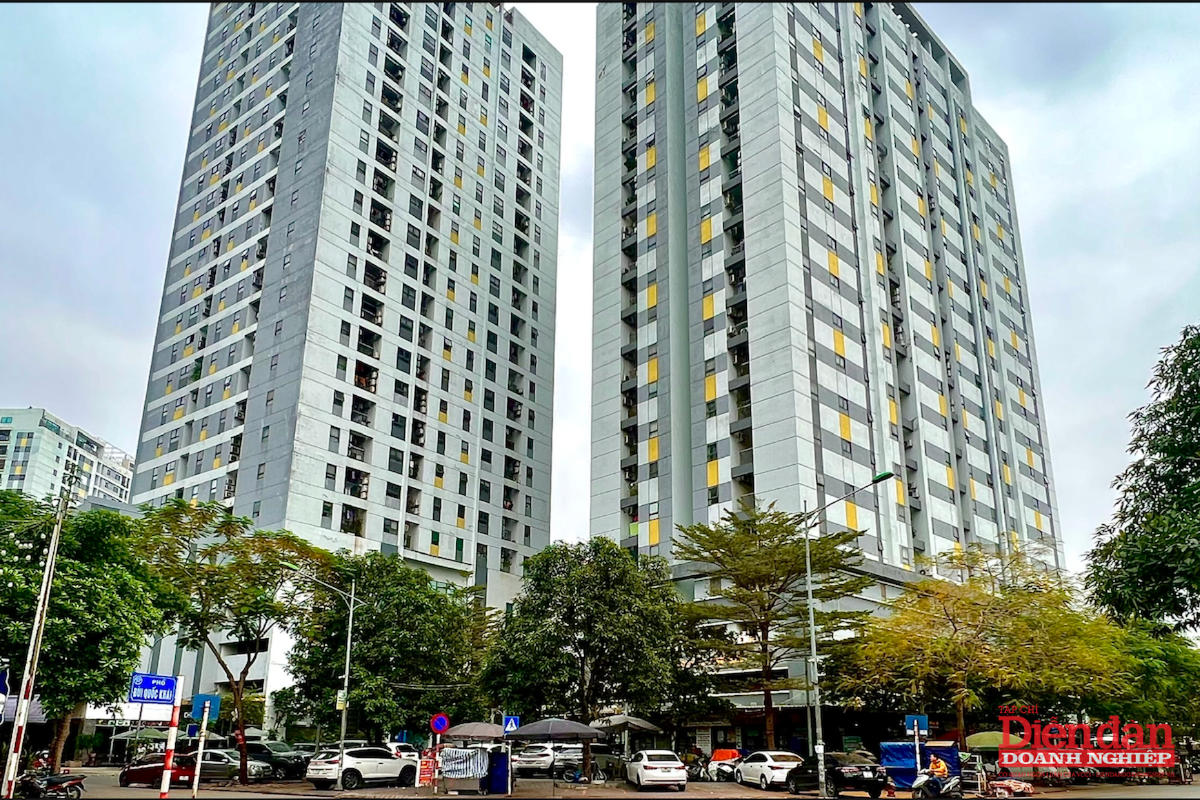
Social housing for rent is expected to become a sustainable housing solution for workers in major cities and industrial zones. Photo: VA
Opening Additional Capital Channels for Developers
According to HoREA, preferential capital sources for social housing projects currently fall short of actual demand. The difficulty developers face in accessing low-interest capital drives up investment costs, while low-income buyers also encounter challenges when securing loans to purchase homes.
One of HoREA’s key recommendations is to resolve credit bottlenecks for social housing project developers.
Currently, under Decree 100/2015/ND-CP and Decree 100/2024/ND-CP, the Bank for Social Policies is not permitted to grant preferential loans to social housing project developers between July 1, 2015, and December 31, 2030. Meanwhile, capital demand for social housing projects is substantial, especially as land, construction, and input costs continue to put pressure on investment efficiency.
In response to this reality, the Ministry of Construction has proposed that the Government allow social housing project developers to access preferential loans at the Vietnam Development Bank under Decree 100/2024/ND-CP. This mechanism is also proposed for inclusion in the draft amended Housing Law.
Another option is allowing social housing development enterprises to access the VND 145 trillion commercial credit package, voluntarily supported by 9 commercial banks, offering an interest rate of 6.1%/year.
HoREA stated that it had repeatedly urged the Government and the State Bank of Vietnam to enable social housing developers to tap into this capital source. However, to date, almost no social housing project developer has been able to secure loans at the 6.1%/year rate.
According to the Association, practical implementation shows that many businesses still have to rely on commercial capital with high interest rates—reaching up to 14%/year in some cases. Rising capital costs lead to higher project investment costs, directly impacting the feasibility of developing social housing projects.
Further Reducing Interest Rates for Homebuyers
Additionally, the borrowing rate applied at the Bank for Social Policies is currently 6.6%/year. The State Bank of Vietnam had previously proposed that the Government fix the rate at 5.4%/year.
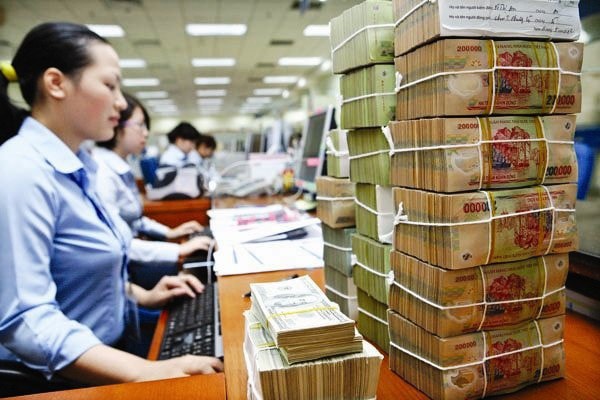
Borrowing interest rates directly impact the ability of low-income earners to buy homes.
However, HoREA believes that 5.4%/year remains a heavy burden for low-income groups, who are the primary beneficiaries of social housing policy. Consequently, the Association proposed lowering the preferential borrowing rate to 4.8%/year, matching the rate applied during the 2021–2024 period. According to the proposal, reducing interest rates aims to alleviate debt repayment pressure for homebuyers, thereby improving housing accessibility for low-income groups.
Beyond credit policy, HoREA also recommended adjusting tax policies to create additional momentum for social housing development, particularly rental housing. Specifically, the Association urged the Government and the Ministry of Finance to consider amending the Value Added Tax Law and the Corporate Income Tax Law to reduce tax rates by 70% for rental housing projects and social housing for rent.
According to HoREA, a 70% reduction in value-added tax and corporate income tax rates for social housing rental projects was originally enacted under Decree 100/2015/ND-CP in 2015. However, this mechanism has yet to be implemented in practice because corresponding provisions in the Value Added Tax Law and Corporate Income Tax Law have not been synchronously amended.
From a policy perspective, HoREA emphasizes that simultaneously refining credit mechanisms and tax incentives is essential to supporting both the supply and demand sides of the social housing market.
For businesses, suitable capital interest rates help reduce cost pressures during project development. For buyers, lower interest rates reduce financial obligations throughout the loan term.
Meanwhile, tax incentives for rental housing and social housing for rent are expected by HoREA to incentivize business participation in this segment, expanding housing choices for low-income individuals.
Author: DIEU HOA - TRUONG DANG
RELATED TOPICS
RECOMMENDED TOPICS