VN
VN
 EN
EN
25/07/2026, 10:00
Culture- travel
Australian magazine hails Phu Quoc as a worthy alternative to Bali
For years, Bali has been almost the “default holiday” for Australians whenever they think of a tropical paradise: close, affordable, easy to reach, and rich in culture. But as visitor numbers surge, the Indonesian island has grown increasingly crowded, costs have risen, and the sense of privacy has gradually diminished. As a result, more and more travelers from the land of kangaroos are searching for a new alternative – and Phu Quoc has been singled out by Escape magazine.
In its list of “the best Bali alternatives worth exploring,” published by Australia’s leading travel site Escape, Phu Quoc is highlighted as a standout Southeast Asian destination, thanks to its appealing blend of reasonable costs, striking scenery, and diverse experiences.
According to Escape, Vietnam has long scored highly with Australian travelers for its affordability, vibrant street food, spectacular landscapes, and rich cultural heritage. From Sydney, Melbourne, or Perth, travelers can find direct flights to Hanoi or Ho Chi Minh City for under USD 200, before conveniently connecting onward to Phu Quoc.
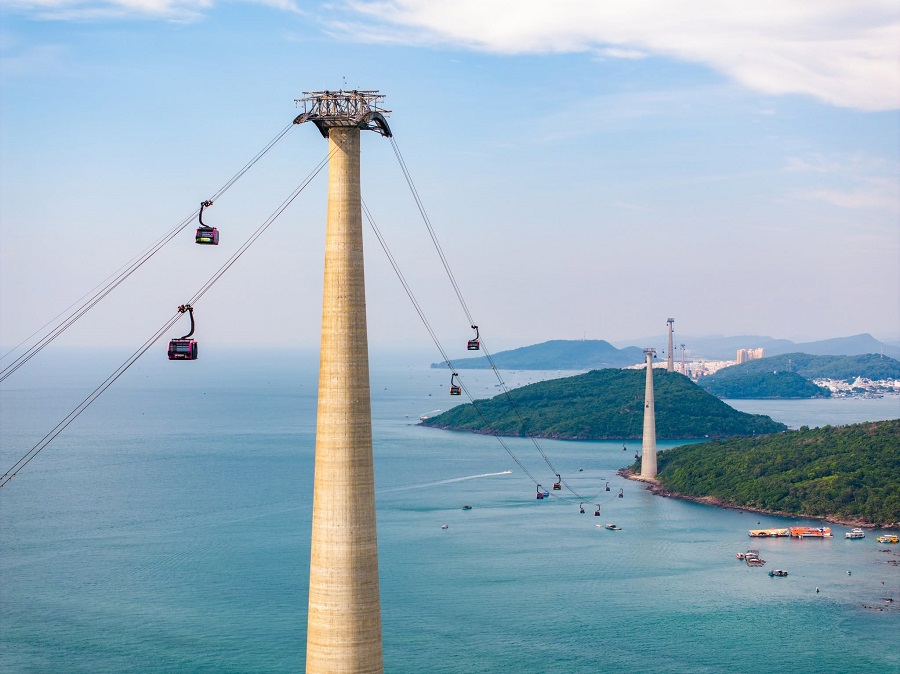
The Hon Thom cable car offers sweeping views of the turquoise sea and the An Thoi archipelago, a must-try experience in Phu Quoc
For lovers of tropical beaches, Phu Quoc offers what Australians once found in Bali years ago: long stretches of white sand, turquoise waters, and a laid-back pace of life. From Khem Beach and Sao Beach to the pristine southern shores, much of the island’s landscape still retains its natural charm. Alongside its coastline lies a lush primary forest ecosystem with jungle trekking routes – an ideal choice for adventurous travelers.
What sets Phu Quoc apart, Escape notes, is the seamless blend of nature and modern experiences. A highlight is the sea-crossing cable car linking An Thoi to Hon Thom – recognized as the world’s longest three-wire cable car system – allowing visitors to glide above the waters and take in panoramic views of Phu Quoc’s seascape from a bird’s-eye perspective.
The balance between preservation and development forms the distinctive layer of value behind Phu Quoc’s appeal. Here, vast stretches of primary forest remain largely intact, opening up exploration routes for adventure seekers. Meanwhile, the southern beaches have been thoughtfully planned into high-end resort spaces such as Kem Beach and Sao Beach – “sanctuaries” that are consistently praised by international media.
If Bali charms visitors with its ancient temples and distinctive spiritual atmosphere, Phu Quoc leaves its mark through symbolic seaside architecture. At Sunset Town, visitors can stroll along Mediterranean-inspired streets, watch the sunset at Kiss Bridge, and enjoy fireworks displays lighting up the night sky. The island’s nighttime entertainment ecosystem – once absent in many beach destinations – is gradually becoming a defining feature of Pearl Island.
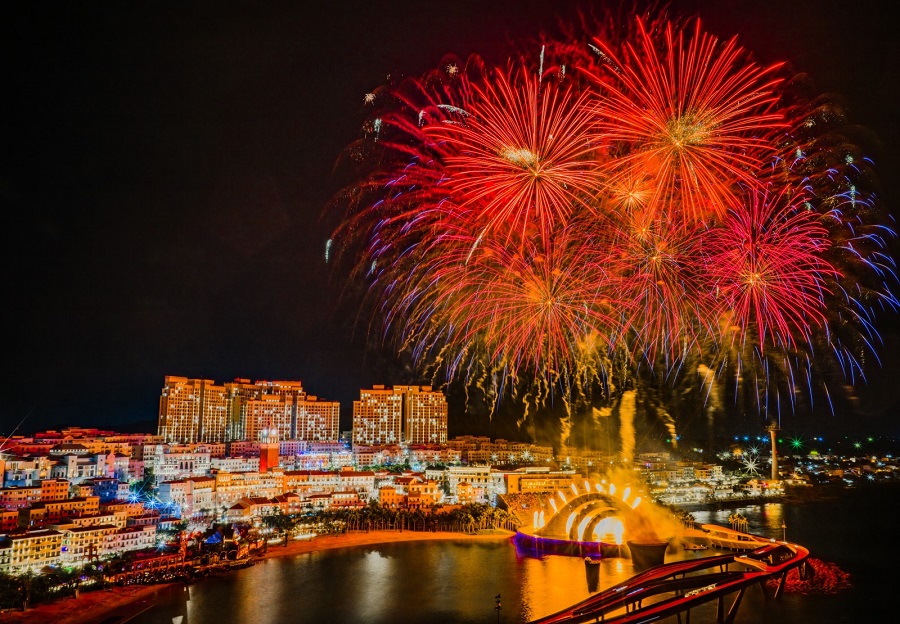
The dazzling fireworks of the Kiss of the Sea show illuminate the night sky over the Pearl Island
From Escape’s perspective, Phu Quoc is not merely a “substitute” for travelers who have grown weary of Bali. The island is positioning itself as a standalone destination worthy of longer stays: affordable, culinary-rich, layered in natural beauty, and supported by an ever-evolving portfolio of experiences.
For Australian travelers, it offers something both familiar and refreshingly new – a tropical paradise that preserves a sense of unspoiled freedom, enhanced by the comforts and dynamic energy of a destination rising strongly on Asia’s travel map.
Author: DUONG NAM HOANG
RECOMMENDED TOPICS