VN
VN
 EN
EN
20/07/2026, 11:07
Culture- travel
The distinct identity of “Connecting Central Heritage” train
Taking passengers along one of Viet Nam’s most beautiful coastal railway routes, the Hue–Da Nang “Connecting Central Heritage” train also offers an emotional journey where landscapes, music, and cuisine blend together to create the unique identity of today’s Vietnamese railway sector.
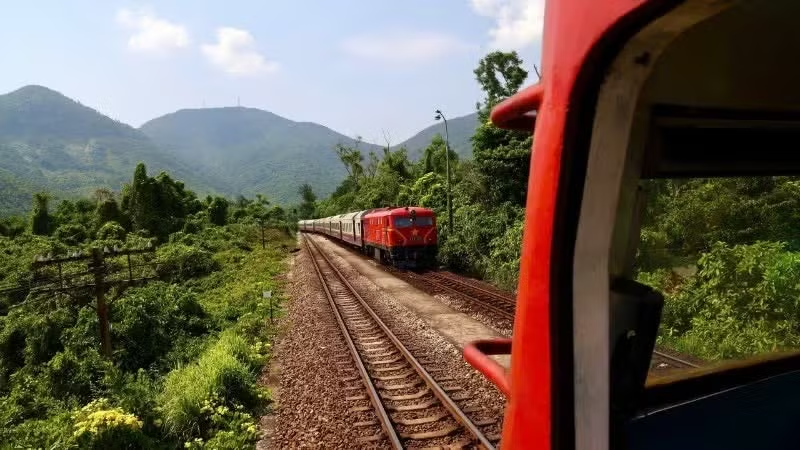
Along the railway stretching through the heritage region, each flower season fills the journey with shades of yellow and white drifting past train windows, while folk melodies rising amid the sea and sky evoke memories and recollections, allowing passengers to discover deeper layers of culture in a slow and relaxing atmosphere.
As the train winds along the Hai Van Pass route, with the blue sea on one side and drifting clouds on the other, many passengers cannot hide their emotions before the familiar beauty now refreshed with a vibrant and energetic new spirit of the central region.
Perhaps the most precious thing the train offers is a sense of connection. A connection between localities in the central region, between transport and tourism, between memories and the present... Many elderly passengers rediscover images of trains from years gone by, while young people and foreign tourists experience something fresh, culturally rich, and environmentally friendly.
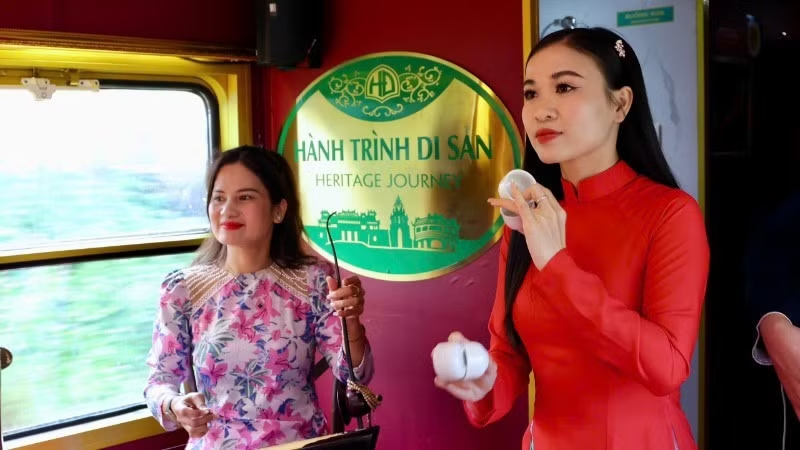
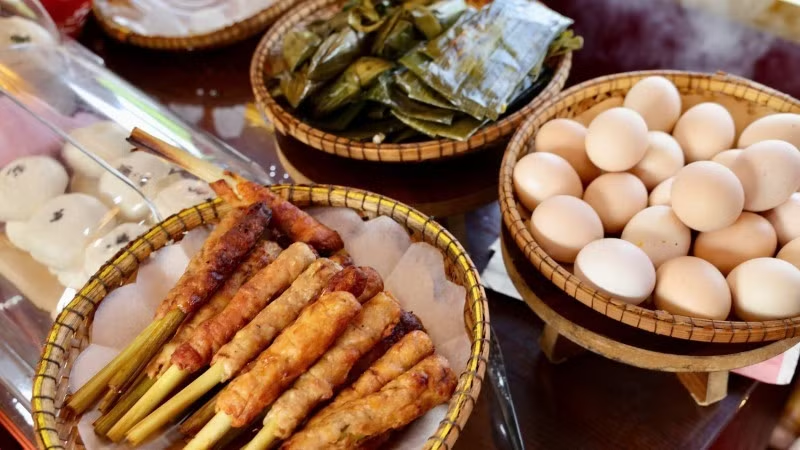
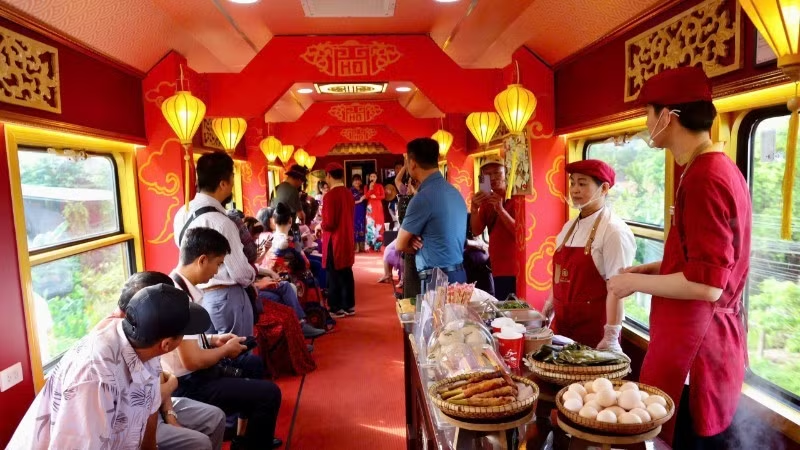
On every stretch through the heritage region, the community carriage becomes like a small moving stage amid natural scenery. Art troupes from Hue and Da Nang take turns performing, bringing the distinct cultural colours of each locality. Alongside the music, the journey is also infused with the flavours of the central region through the skilful and passionate hands of local culinary artisans.
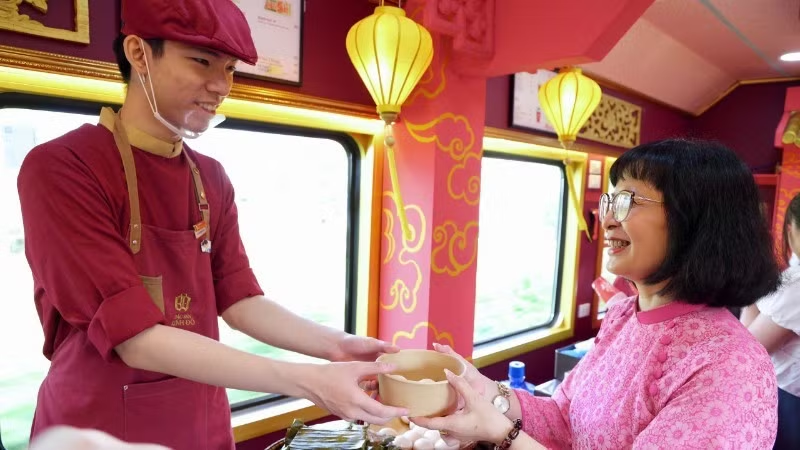
Simple yet refined dishes introduced directly on board help tell stories about the land, its people, and cultural customs. Amid the characteristic rhythm of the train carriage, passengers can savour rustic delicacies while listening to stories about their preparation methods, ingredients, and the memories contained within each dish. The harmony of landscapes, music, and cuisine has transformed the train into a vivid cultural experience.
At certain moments, the train seems to travel between two realms of memory, and with each season the journey takes on a different beauty. Spring brings fragile white blossoms trembling in the sea breeze. Summer glows with the yellow hues of sunshine and wildflowers along the hillsides, with sunlight stretching across station roofs. The train connects Hue with Da Nang, while also linking flower seasons, memories, and deeply peaceful emotions in people’s hearts.
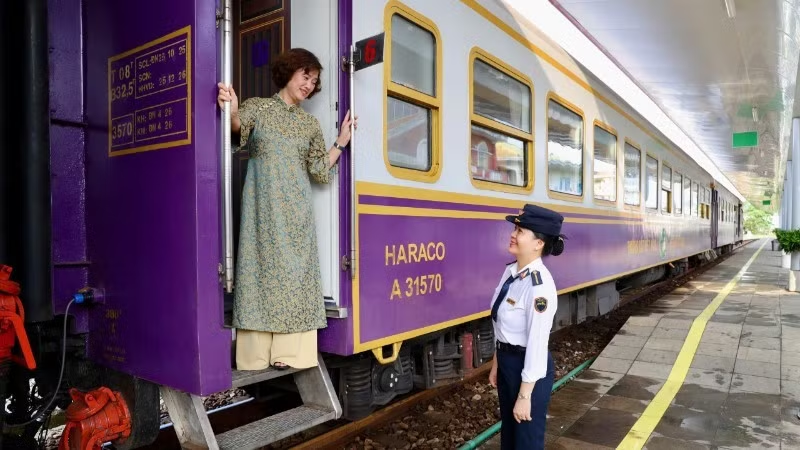
Behind this emotional journey lies the collective spirit and dedication of railway officials, engineers, and employees, from those who conceived the idea and organised operations to those directly serving passengers... all contributing to the smooth operation of the entire train.
Today’s railway sector is striving to renew its familiar image by incorporating cultural, tourism, and experiential elements into each journey. The renewal process is not reflected in overly grand gestures, but rather in small details such as maintaining clean train carriages, creating welcoming communal spaces, providing attentive guidance and ensuring a sense of safety and punctuality throughout the trip.
Keeping pace with the transport sector’s broader renewal process, the Hue–Da Nang heritage train demonstrates that railways still possess a unique advantage through their ability to create emotionally rich journeys.
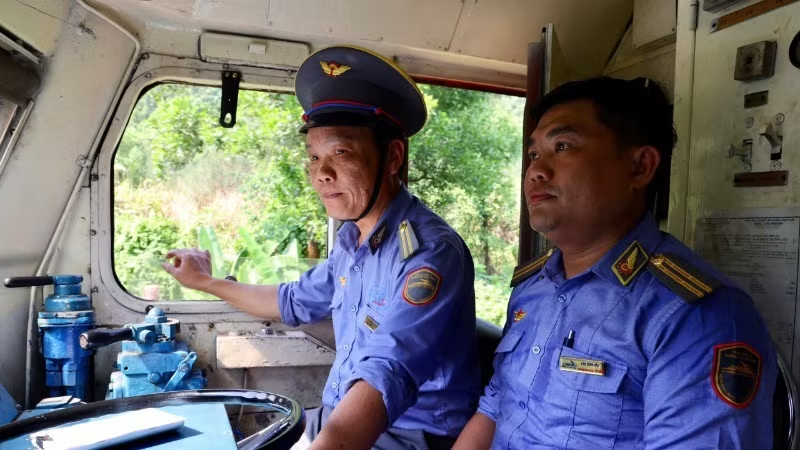
Behind the sunlit windows and the passengers’ relaxing moments are overnight shifts, inspections of every carriage, every technical system, and every metre of railway track before departure. This is the meticulousness of mechanics, the unwavering attention of train drivers to signals, and the dedication of service staff always present to meet even passengers’ smallest needs.
For the heritage train, the responsibility is even greater because railway workers not only ensure a safe journey but also preserve the emotional experience for passengers. They are not only operators but also silent “ambassadors” of the railway sector, helping create an image that is friendly, professional, and innovative.
Passengers may remember the blue waters of Lang Co Bay, the white clouds of Hai Van Pass, or the music echoing through the community carriage. Yet behind these beautiful memories lies the immeasurable dedication of people quietly working with a strong sense of responsibility, discipline, and professional pride. They are the ones keeping the railway lines connected across regions, carrying trust and emotions along every journey.
The distinctive feature of the “Connecting Central Heritage” train lies in its exceptionally rare route. The Hue–Da Nang railway passes through Hai Van Pass, Lang Co Bay, and culturally rich areas of the central region, creating natural advantages for developing experiential tourism products.

In addition, the attention and support from the leadership of the Viet Nam Railways Corporation, together with coordination among transport units, localities, artists, and service staff, have contributed significantly to creating a distinctive cultural space directly on board. The integration of artistic performances, regional cuisine, and community carriages has helped the train establish its own identity, different from other modes of transport.
However, maintaining a train that both ensures operational safety and meets tourism experience expectations presents many challenges. The route through Hai Van Pass features complex terrain and is heavily affected by central Viet Nam’s weather, especially during the storm season. Meanwhile, organising artistic performances and catering services on board requires close coordination among technical, operational, logistical, and service divisions.
The pressure for innovation is also a constant challenge for railway personnel. Passengers always expect safe and punctual journeys, but they also seek cultural experiences, emotional value, and comfort. Therefore, railway workers must both strictly maintain operational discipline and flexibly renew services, improving service quality so that each trip truly becomes a memorable journey.
Amid these intertwined advantages and difficulties, the efforts of railway officials and workers further demonstrate the determination to renew the image of Vietnamese railways in a modern direction while still preserving strong national cultural identity.
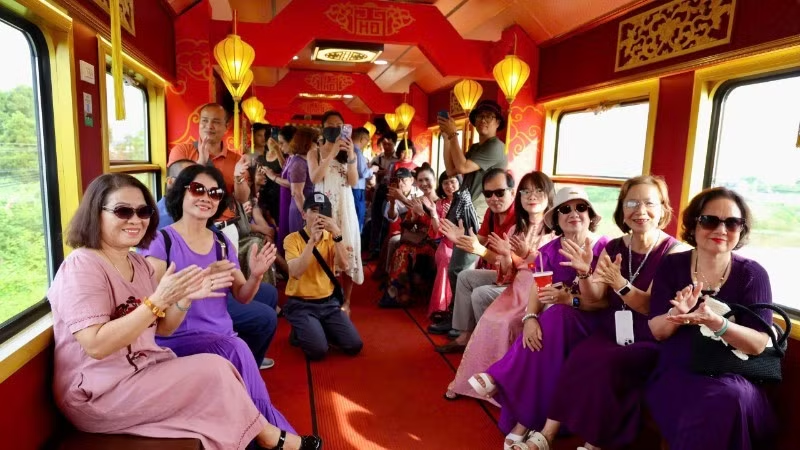
One promising direction expected from the “Connecting Central Heritage” train is to transform each journey into a vibrant space for cultural creativity.
Reality has shown that during actual trips organised by the railway sector, many writers and artists have already found inspiration from the movement of the train itself, from the mountains and clouds of Hai Van Pass, the sea at Lang Co to flower seasons drifting past the windows. Numerous poems, essays, and travel notes have been written directly on the train as a way of preserving the special emotions that only rail travel can offer.
From this source of inspiration, flexible and culturally rich solutions could be developed to shape the train’s unique identity. Many ideas have been proposed, such as compiling and recording poems and short essays about the central region and the railway sector, then broadcasting them through the train’s audio system alongside songs suited to each route and stage of the journey.
For example, when the train passes through Hai Van Pass, profound melodies about majestic mountains and resilient spirit could be played; when arriving in Hue Station, the gentle and profound sounds of Hue folk singing could resonate; while on the Da Nang coastal section, youthful and open-hearted songs reflecting the seaside city could accompany the journey.
If systematically invested in, such cultural spaces would help passengers immerse themselves in the emotions of the regions they pass through. This would also be a gentle yet effective way of telling stories about central heritage through music, literature, and memory. Alongside direct experiences on board, developing accompanying publications also opens up many promising opportunities.
Special editions, journals, postcards illustrating the Hai Van–Lang Co route, or collections of poems and prose inspired by the train journey could become souvenirs carrying rich spiritual value for tourists. From a transport-tourism product, the train is expected to gradually develop its own cultural ecosystem, ensuring that every passenger carries away a part of the heritage region’s memories after the journey.
Author: NDO
RECOMMENDED TOPICS