VN
VN
 EN
EN
22/07/2026, 02:00
Business economics
Viet Nam advised to guard against inflation risks in 2026
With the consumer price index (CPI) in 2025 increasing by 3.31% compared to a year earlier, Viet Nam successfully kept inflation below the target set by the National Assembly.
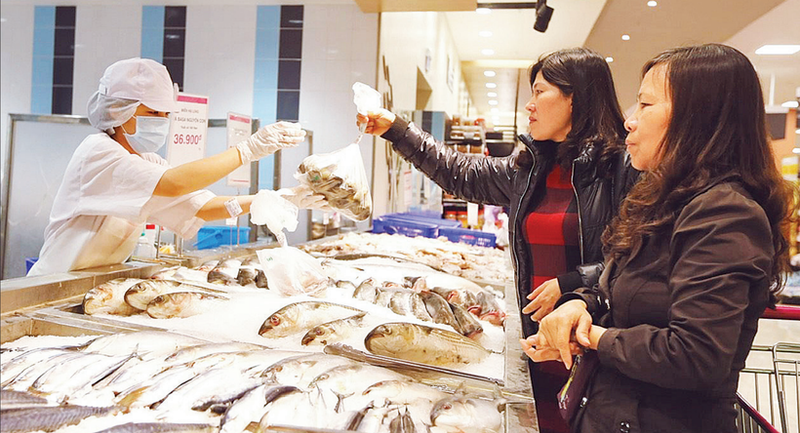
The National Statistics Office (NSO) attributed this positive outcome to the government’s decisive and flexible management, as well as the coordinated actions of ministries, sectors and local authorities.
In particular, there was close coordination between monetary and fiscal policies, alongside flexible management of interest rates, exchange rates and reasonable credit growth, which both supported production and business activities and avoided creating pressure on prices.
According to the NSO, the result was also attributable to the cautious and phased management of prices for state-regulated goods and services, particularly in sectors such as education, healthcare and electricity, thereby limiting price shocks and spillover effects.
It also noted that controlled inflation was supported by a stable supply of domestic goods, especially food and other essential goods. Market stabilisation efforts and commodity reserves were strengthened to prevent localised shortages.
At the same time, market management and efforts to combat speculation and trade fraud were intensified, helping to curb unreasonable price hikes.
In addition, the foreign exchange market remained stable and exchange rates were managed flexibly, helping to reduce pressure from imported inflation.
Thanks to effective policy coordination, inflation in 2025 remained at an appropriate level, without causing major disruptions to the economy or people’s livelihoods, while also supporting economic growth.
However, the NSO warned that in 2026, there are several potential risks to inflation that require close attention.
First, fluctuations in global energy, fuel and commodity prices remain unpredictable.
Second, international logistics and transport costs may continue to stay high, affecting production costs and the prices of goods.
Third, geopolitical conflicts, natural disasters and climate change may disrupt supply chains, particularly for food items.
Fourth, rising consumption, production and public investment could create strong demand pressure, potentially pushing up the general price level.
Therefore, the NSO recommended that the government continue to manage prices proactively and prudently, ensure a balance between supply and demand, and effectively control inflation expectations in order to maintain macroeconomic stability.
Author: NDO
RECOMMENDED TOPICS