VN
VN
 EN
EN
11/07/2026, 12:00
Business economics
Governance: the operating system of ESG
In a volatile world, governance is the operating system that turns ESG commitments into trusted, investable, sustainable growth in Vietnam.
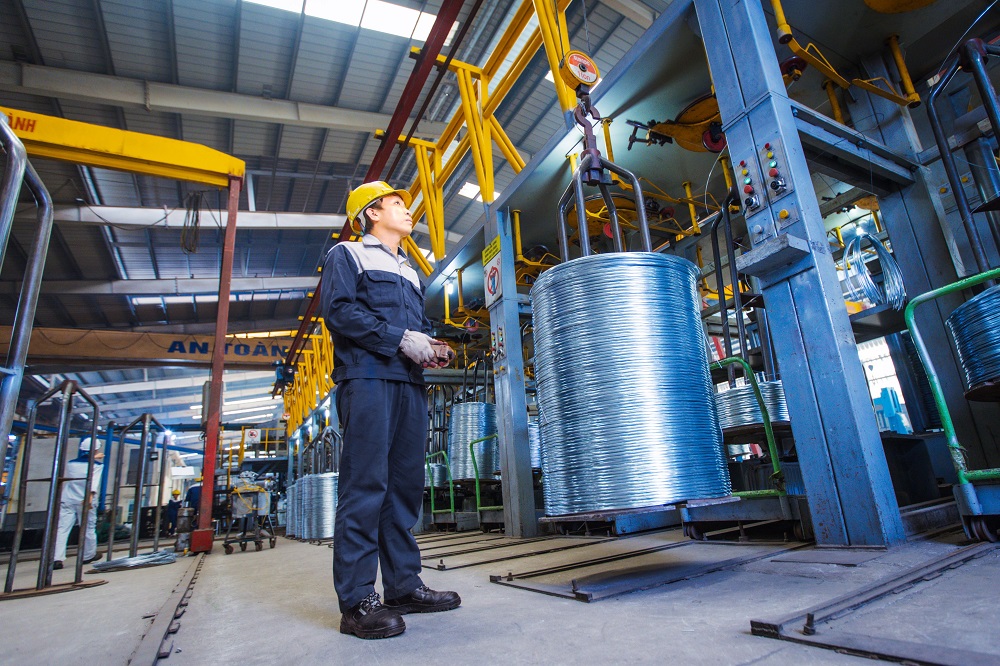
Hoa Phat Group is one of the groups that satisfied the ESG.
We’re living through a period where disruption has become routine: a pandemic, supply-chain shocks, geopolitical conflict, policy change, and sudden shifts in market confidence. In that environment, resilience isn’t something you hope for; it’s something you build.
What separates the companies that recover fastest from those that struggle usually isn’t luck. It’s governance: who can detect issues quickly, who has reliable information, who has the right to decide, who can act decisively, and who can coordinate smoothly.
That’s why, when we talk about ESG (Environment – Social – Governance) today, governance isn’t the third letter. It’s the operating system that helps businesses manage uncertainty and keep growing sustainably. And in Vietnam’s fast-moving economy, that governance capability is becoming a real competitive advantage.
The bar is rising, from supply chains to capital markets
Three forces are pushing governance up the agenda in Vietnam.
First, global supply chains are raising the bar. Many Vietnamese businesses sit in the value chains of multinational customers. Those customers are tightening requirements on issues that sit squarely in “G”: oversight of labour standards, third-party and supplier controls, complaint mechanisms, and credible ESG data. Weak governance can mean lost orders, tougher contract terms, or repeated audits that drain management time.
European regulation is also shaping expectations beyond Europe. The EU’s Corporate Sustainability Reporting Directive (CSRD) will have a strong impact on companies in the value chain of European partners, because those partners will ask suppliers for more consistent, decision-useful sustainability information. Put simply: if your customer has to report, they’ll need data from you and they’ll want to trust it.
Second, investors and lenders are pricing governance quality into risk. Capital providers increasingly look for evidence of board oversight, risk management, internal controls, and transparent disclosures. Where governance is strong, the business often looks more “bankable” and investable, supporting access to financing, potentially better pricing, and longer-term funding relationships. Rating agencies such as Moody’s and S&P explicitly incorporate governance into credit analysis because it affects decision-making, risk appetite, and the likelihood of credit events.
Third, ESG data credibility has become a business necessity. ESG reporting is moving from marketing to measurement. Companies are being asked for consistent, auditable data – energy use, emissions, safety, workforce metrics, and supplier compliance. Governance is what makes that data trustworthy: clear ownership, consistent definitions, reliable systems, and review controls that reduce greenwashing risk.
In Vietnam, many companies are already collecting ESG data, but fewer are using recognised standards or external assurance. The core challenge is effective measurement and reporting, often hindered by fragmented data.
What “good governance for sustainability” looks like
Good governance for sustainability doesn’t require perfection. It requires clarity and discipline in a few practical areas.
Start with clear oversight and accountability. The board should set direction through a dedicated committee or a named director and management should appoint an executive sponsor who can coordinate across teams. What matters most is clarity: who makes decisions, who delivers, and who is accountable if progress falls behind.
Build ESG into the business, not alongside it. Choose a small number of priorities that genuinely matter to your business model – energy and emissions, workplace safety, product responsibility, supply-chain standards. Then turn them into a simple roadmap with actions, owners and timelines. Most importantly, link that roadmap to budgets, investment decisions, procurement and operational targets, so sustainability becomes part of normal planning rather than an afterthought.
Build strong foundations: policies, controls, and an ethical culture. Sustainability won’t hold up if the basics are weak. That means a clear code of conduct, anti-bribery and corruption controls, conflict-of-interest rules, safe speak-up channels, and proper checks on suppliers and other third parties. In practice, it’s about training people, investigating issues properly, and fixing root causes not quietly moving on. This matters even more as companies grow quickly since rapid expansion – new sites, new suppliers, new markets – often outpaces policies and controls. And control gaps often show up first in the extended enterprise: suppliers, contractors, agents. In Southeast Asia, a significant share of economic crime is committed by third parties. Strong third‑party governance isn’t a “nice to have”; it’s how you protect your business while you scale.
Treat ESG data like financial data. Companies should know where their ESG data comes from, who validates it, and how it is reviewed before it is shared with customers, investors, or regulators. This reduces greenwashing risk and makes it easier to respond to supply-chain questionnaires, financing requirements, and evolving reporting expectations. In Vietnam, 82% of companies capture ESG data, 43% use recognised standards, and 32 obtain formal assuarance, reflecting good progress, with room to go further.
Make ESG part of performance management. People focus on what gets measured and rewarded. A small set of meaningful KPIs – energy intensity, safety outcomes, training completion, supplier compliance, governance incidents – can be linked to leadership scorecards. The goal isn’t more bureaucracy; it’s to make sustainability outcomes visible, owned, and managed with the same discipline as financial performance.
Regulators set the floor, the ecosystem raises the ceiling
Regulators play a vital role in making sustainable growth practical and credible. Clear, consistent expectations on governance, disclosure and market conduct help companies plan, invest and compete on a level playing field. Many businesses in Vietnam would also like to see green standards and certification mechanisms introduced. A phased approach that recognises different starting points across large corporates and SMEs can accelerate adoption without creating unnecessary friction.
But governance doesn’t improve in isolation. It takes an ecosystem: regulators, industry associations, banks, auditors, rating agencies and corporates working together to align on definitions, data quality and assurance. Shared templates, sector guidance and capacity-building programmes can reduce the cost of compliance and raise standards across supply chains, especially for smaller suppliers that are critical to Vietnam’s export economy.
From our perspective in banking, the opportunity is to bring stakeholders together, share international good practice, and support clients as they strengthen governance and reporting not as a branding exercise but as a practical route to resilience and competitiveness.
Vietnam’s ambition is significant, including being a net zero economy by 2050. Turning ambition into outcomes will depend on execution and execution depends on governance. If we get the governance right, trust becomes a national competitive advantage, and sustainable growth becomes the default setting.
Author: Phil Wright, COO, HSBC Vietnam
RECOMMENDED TOPICS