VN
VN
 EN
EN
16/07/2026, 02:00
Business economics
Green Credit: Financial Leverage for Sustainable Growth
Under a carbon-neutral scenario, Vietnam’s long-term investment needs for green and sustainable economic development through 2050 are estimated at US$670-700 billion. Of this total, about US$368 billion is required for climate change adaptation alone, equal to 6.8% of GDP each year. The challenge is not only how much capital can be mobilized, but how effectively that capital is used.

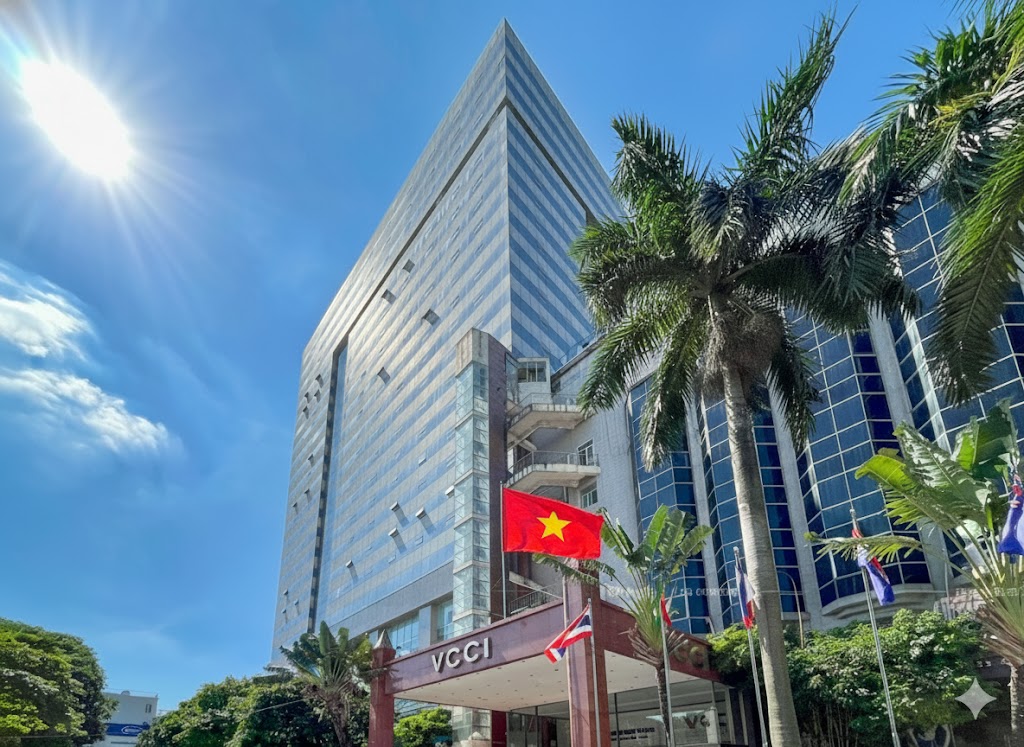
Illustrative photo
Green credit rises sharply, but remains modest
According to statistics, green credit outstanding in Vietnam reached about VND750 trillion (US$30 billion) as of November 30, 2025. Average growth from 2017 to September 2025 exceeded 21% per year, higher than overall credit growth across the economy. To date, the number of credit institutions participating in green credit reporting has increased from 15 in 2017 to 58.
At the Vietnam Bank for Agriculture and Rural Development (Agribank), green growth is defined as a core task in its business strategy. As of the third quarter of 2025, Agribank’s green credit outstanding reached VND28.355 trillion (US$1.13 billion), serving nearly 40,000 customers. Of this total, renewable and clean energy accounted for more than 53%, sustainable forestry over 24%, and green agriculture over 21% of the bank’s green credit outstanding. This reflects rising demand for capital for sustainable development, particularly in agriculture and rural areas. In addition, Agribank has rolled out preferential credit packages for high-tech agriculture, clean agriculture, and financing programs for green projects, supporting implementation of the National Green Growth Strategy for 2021-2030.
The State Bank of Vietnam (SBV) said commercial banks are currently the largest capital providers, accounting for about 88% of total green credit outstanding. Green funding mobilized by banks mainly comes from green bond issuance and international loans. According to International Finance Corporation (IFC), during 2020-2025, the value of green bond issuance in Vietnam exceeded US$1.5 billion.
However, according to Pham Thi Thanh Tung, Deputy Director General of the Credit Department for Economic Sectors (SBV), despite strong growth, green credit currently accounts for only nearly 5% of total outstanding credit across the economy, while total outstanding credit has reached about VND18.2 quadrillion.
Developing capital mobilization channels
Nguyen Ba Hung, Chief Economist at the Asian Development Bank (ADB) in Vietnam, said the capital challenge for sustainable development concerns not only the scale of mobilization but also the efficiency of fund use. In response, many countries have developed multiple capital mobilization channels in parallel, including government bonds, corporate bonds, the stock market, and blended public-private financial instruments.
According to Agribank, unlocking green capital flows requires focus on five solution groups: building a national database on emissions and energy; introducing specific incentive policies such as tax reductions and interest rate subsidies; organizing free environmental, social, and governance (ESG) training programs for enterprises; completing the legal framework for green bonds in line with international standards; and simplifying procedures for international capital mobilization.
SBV Deputy Governor Nguyen Ngoc Canh said in recent years the State Bank has completed the legal corridor and policy mechanisms to promote green credit, as well as identification, assessment, and management of environmental and social risks in credit activities. At the same time, banks have proactively developed green capital mobilization products and green credit to finance projects delivering environmental benefits, climate change response, circular production models, and sustainable linkages.
However, to promote diversification of capital sources for sustainable development, SBV Deputy Governor Nguyen Ngoc Canh said conditions need to be clarified for the capital market to become an effective transmission channel, complementing bank credit in financing green projects, energy transition, and sustainable development. Measures are needed to develop the green capital market and encourage issuance of sustainable financial instruments such as green bonds, sustainability bonds, and shares of enterprises practicing ESG. At the same time, capacity of enterprises and investors should be strengthened to access, use, and effectively monitor these capital flows and financial products.
In addition, practical implementation of green credit in the banking sector should be reviewed, results assessed, lessons drawn, and next directions identified to further the role of the banking system in leading and spreading green credit flows across the economy. Priority mechanisms and policies should be refined to attract stronger private-sector capital into green projects and sustainable growth. In this context, the Government plays a regulatory role through improving the legal framework, enhancing transparency, and ensuring safety and stability of the financial system.
In particular, according to Canh, closer coordination is needed among government management agencies, financial institutions, enterprises, capital markets, and international partners to mobilize, allocate, and efficiently use financial resources for national green growth and sustainable development goals.
The State Bank of Vietnam is coordinating with the Ministry of Finance to submit to the Government a decree providing an interest rate subsidy of 2% per year from the state budget for private enterprises and business households that borrow bank loans to carry out green and circular economy projects. The draft decree is expected to be submitted for the Government’s consideration in the near term and could take effect in early 2026. Budgetary support will be allocated to localities.
Author: VBF
RECOMMENDED TOPICS