VN
VN
 EN
EN
23/07/2026, 02:38
Investment
What's happened to the yen carry-trade?
Asset prices have slumped in the days following the US/Israeli offensive against Iran. It might look pretty bad but it might have been a whole lot worse if the rise in geopolitical risk had caused an unwinding of the yen-funded carry-trade.
It is notoriously difficult to try to estimate the size of the yen-funded carry trade.
It is notoriously difficult to try to estimate the size of the yen-funded carry trade. Estimates range from around half a trillion dollars to twenty-trillion or more, which is the same thing as saying that nobody has a clue. We might not know its size, but it seems reasonable to believe that it is large enough to move markets substantially.
This means strength in higher-yielding currencies and yen weakness when the carry trade is in full flow. These currencies include the likes of the Australian dollar, Mexican peso, the rand. But it also means rapid yen strength when the carry trade suddenly unwinds.
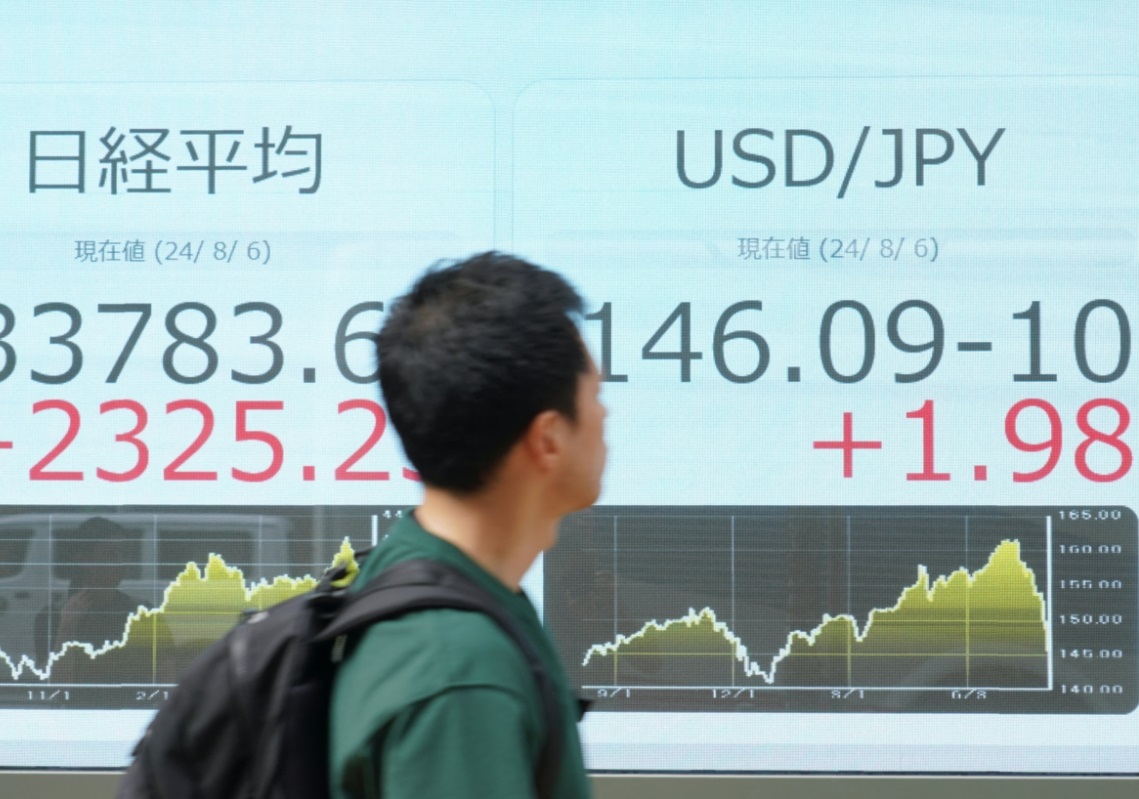
We saw that most clearly in July and August 2024 when a surprise BoJ rate hike and FX intervention made dollar/yen fall by more than 20 yen, or close to 14%, in just two months. With this in mind, carry-trade investors might feel nervous that the surge in geopolitical risk associated with the situation in the Middle East could revive the carry-trade unwind as asset prices tumble and risk is pared back. But that's not happened so far. Why not?
Steven Barrow, Head of Standard Bank G10 Strategy thinks the answer partly lies in the distinction between a funding currency and a ‘safe' currency. Often they are thought to be one and the same, but they are not. He regards the yen as a funding currency, but not a ‘safe' currency and the need in the midst of a major geopolitical event like this is safety. Why is the yen not safe? One reason is that it is not heavily used as a reserve currency by central banks who, after all, have ‘safety' at the forefront of their reserve management philosophy.
The yen accounts for little more than 5% of global allocated reserves; less than a tenth of the reserves held in US dollars. Another reason for the yen's lack of safe status is that extraordinarily high levels of government debt and extraordinarily high holdings of government debt by the Bank of Japan leave the yen at risk from debasement, and in Steven Barrow’s view, that makes it the opposite of a safe asset. But it is not just the absence of a safe-asset status that has undercut the yen's ability to rally as part of some unwinding of the carry trade.
To see this, we need to recognize that the yen's attraction as a funding currency stems from a combination of low funding rates and debasement risks that keep the yen consistently lower than forward FX rates would predict for the currency. And even though the BoJ has hiked rates, they are still very low, especially in real (inflation-adjusted) terms. Yet another factor we can point to is that this particular type of geopolitical risk is very negative for the yen because its primary impact is to lift the price of energy; all of which Japan has to import.
In short, Japan undergoes a hugely negative terms of trade shock when oil prices surge and the negative effects of this on the yen seem to overpower any carry-trade considerations. We saw the same thing when Russia launched its attack on Ukraine in February 2022, sending global energy prices soaring. Not only did the yen lose out to ‘safe' currencies such as the dollar in the days, weeks and even months following Russia's incursion; we also saw the yen weaken against other currencies that also suffered an adverse terms of trade shock, such as the euro.
And today we are seeing the same things with even perceived ‘riskier' currencies such as the Australian dollar holding its own against the yen because of Australia's hefty commodity base. But does all this mean we should ignore the risk of a yen-funded carry-trade meltdown? Steven Barrow said it is not quite. Because the problem is that if the yen slumps much further it could push the currency to levels that start to raise BoJ objections, via either intervention or rate hikes, or both, just as we saw in July and August 2024. Hence, there is still a risk that a rapid carry-trade unwind could occur, and if that happened, it could really pile the pain on global asset prices.
Author: NGOC ANH
RECOMMENDED TOPICS