VN
VN
 EN
EN
25/07/2026, 02:38
Investment
Bac Ninh cuts inspections and informal costs to foster a transparent business environment
Bac Ninh Province is making strong efforts to improve its investment and business environment, in which inspection activities are not merely a tool for oversight, but also play a role in creating stability and transparency.
Business Forum Magazine’s reporter had a discussion with Ms. Nguyen Thi Huong, Deputy Chief Inspector of the Bac Ninh Provincial Inspectorate, about the role of inspection authorities as a “gatekeeper” against informal costs, contributing to a transparent business environment, supporting enterprises, and ensuring legal discipline.
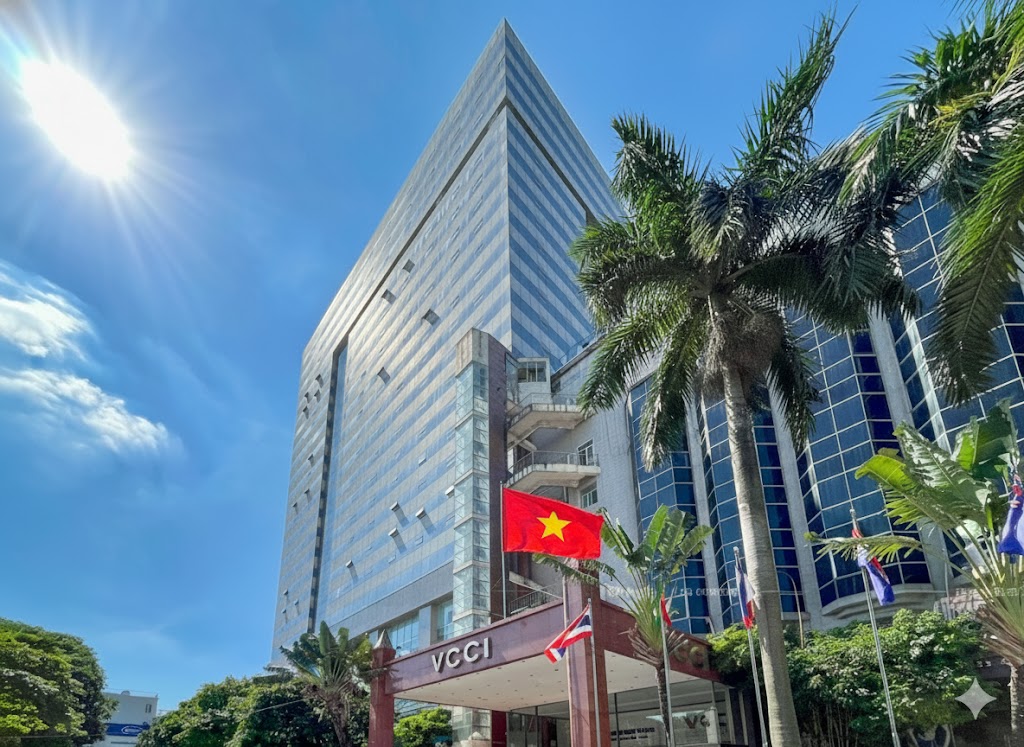
The province’s ranking of sixth nationwide in the Informal Charges Index recently announced by the Vietnam Chamber of Commerce and Industry (VCCI) reflects that businesses coming to Bac Ninh are operating in a clean business environment, where “under-the-table costs” are no longer a barrier to investors.
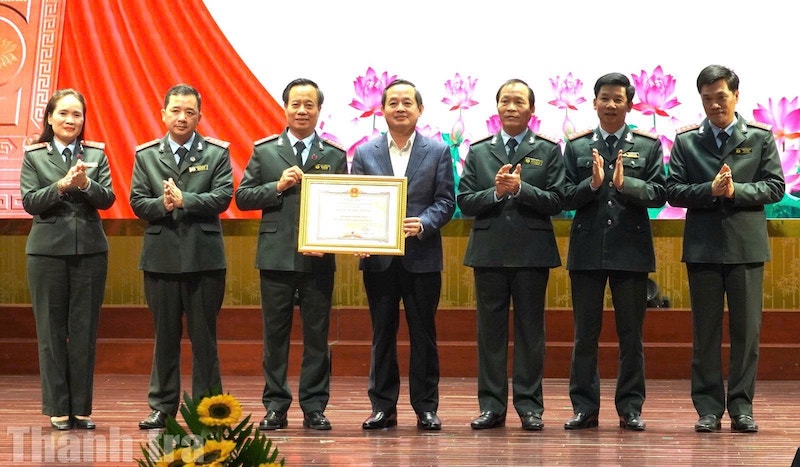
- How do you assess the role of inspection activities in building a stable and transparent legal environment for businesses and investors in Bac Ninh today?
Bac Ninh Province is currently focusing on significantly improving the investment and business environment through regular dialogue with enterprises, innovation in investment promotion, and infrastructure upgrades to attract more FDI inflows. These are important steps that help the province maintain its position as a leading industrial hub in northern Vietnam.
As the specialized agency assisting the provincial People’s Committee in state management over inspections, citizen reception, complaint and denunciation settlement, as well as anti-corruption and anti-negative practices, the inspection sector plays an important “gatekeeping” role in ensuring transparency and discipline in state management amid the province’s efforts to attract FDI and improve its Provincial Competitiveness Index (PCI).

We identify this overall role in four aspects:
First, ensuring compliance with the law and maintaining fairness; second, preventing legal risks and protecting investors from fraud and unfair competition; third, enhancing transparency through the public disclosure of inspection conclusions; and fourth, supporting policymaking based on practical data.
As a result, businesses can not only reduce risks and strengthen confidence for long-term investment, but also have their legitimate rights protected.
In 2026, we issued an inspection plan comprising 63 inspections covering 150 entities. Notably, the plan includes thematic inspections related to social housing, environmental protection, and 17 inspections concerning land issues. During implementation, the Provincial Inspectorate proactively sought approval from the Chairman of the Provincial People’s Committee to reduce 15 inspections that overlapped with the audit plan of State Audit Region X.
- Inspection and examination activities can sometimes create concerns among businesses. What solutions has the Provincial Inspectorate implemented to avoid overlaps and inconvenience for inspected entities?
This has been a key task that we proactively advised on from the outset. The Bac Ninh Provincial Inspectorate advised the Chairman of the Provincial People’s Committee to issue Directive No. 02/CT-UBND dated July 29, 2025 on inspection activities in the province. We also coordinated with the Department of Finance to advise the provincial People’s Committee to issue Decision No. 65/2025/QD-UBND dated November 6, 2025 promulgating coordination regulations in state management for enterprises and business households after registration.
Our core principle is: No enterprise shall be inspected more than once per year, except in cases with clear signs of violations. No additional administrative procedures should arise for enterprises and business households, ensuring favorable conditions for their normal operations.
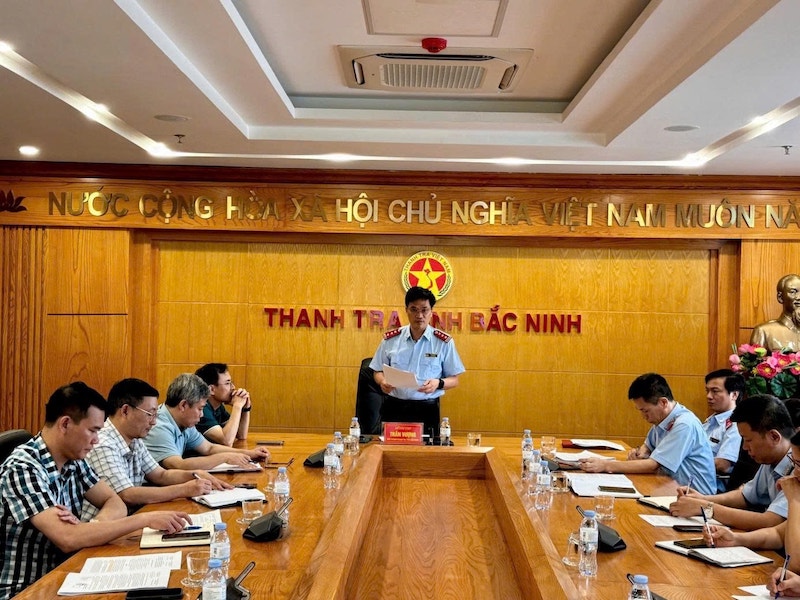
To realize this principle, the Provincial Inspectorate reviewed 3,087 specialized inspections conducted by various agencies. Through this process, we identified and resolved overlapping inspections in 451 cases involving 206 entities. Our standpoint is that only one agency should conduct the inspection. In necessary cases where overlapping inspections are unavoidable, agencies must report and seek approval from the Chairman of the Provincial People’s Committee before proceeding.
We are determined not to create cumbersome administrative procedures and to provide the most favorable conditions for enterprises to operate normally.
- In your view, what are the key solutions to limiting “informal costs” in state management activities in order to build a healthy business environment?
To reduce informal costs, we are implementing three groups of solutions simultaneously:
First, directing offices and professional divisions to closely follow the inspection orientation of the Government Inspectorate and directives from the Provincial Party Committee and the Provincial People’s Committee when formulating annual inspection plans. The focus is on sensitive and high-profile sectors, especially land management and use, planning, construction, site clearance compensation, and public finance management.
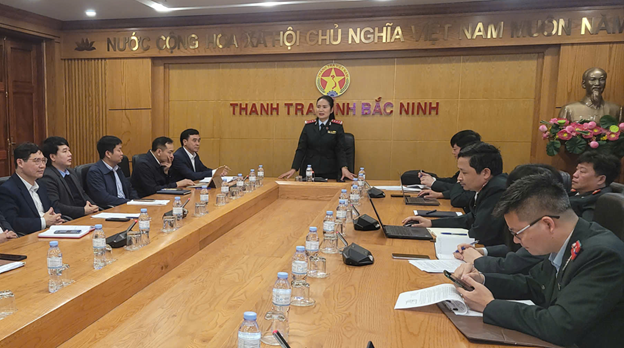
We are also promptly implementing directives from the Government Inspectorate regarding thematic inspections of delayed and inefficient projects, projects facing prolonged difficulties and risks of losses and wastefulness, as well as inspections on anti-wastefulness in the management and use of land and public assets by state agencies, organizations and state-owned enterprises.
Second, maintaining the public disclosure of email addresses and hotline phone numbers to receive feedback and recommendations from agencies, organizations, individuals and enterprises in order to effectively prevent and handle harassment and difficulties caused to citizens and businesses.
Third, enhancing procedural transparency, tightening inspections and examinations, applying digital technology, and strictly handling officials engaging in harassment or corruption. These are fundamental measures to build a transparent, fair and sustainable business environment. At the same time, we continue to innovate inspection methods, shifting from pre-inspection to post-inspection approaches.
We are also strengthening inspections of the responsibilities of heads of state management agencies in inspection activities and public service inspections, while strictly handling civil servants involved in legal violations, harassment or corruption.
- In the coming time, what key tasks will the Bac Ninh Provincial Inspectorate focus on to improve the investment and business environment and enhance the province’s competitiveness?
We will focus on four strategic tasks:
First, continuing to thoroughly implement the Law on Inspection, guiding documents, and directives from the Government Inspectorate, the Provincial Party Committee, the Provincial People’s Committee and higher authorities regarding inspection activities.
Second, closely coordinating with central agencies located in the province to review inspection plans and avoid overlaps in enterprise inspections, ensuring that enterprises are not inspected more than once a year except in extraordinary cases with signs of violations.
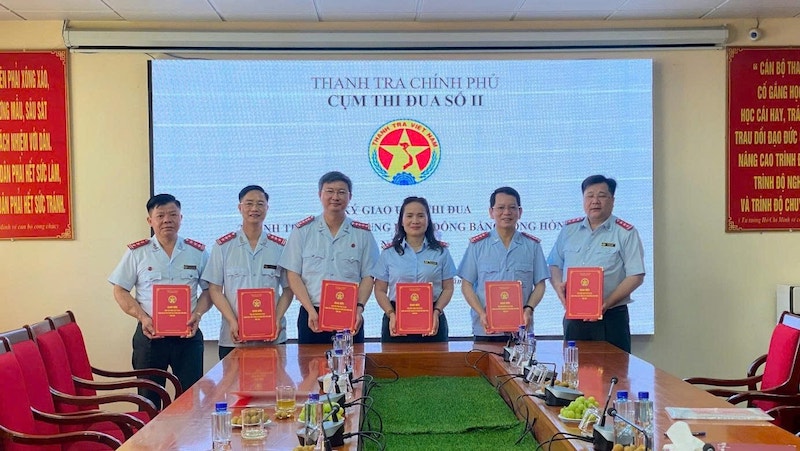
Third, closely monitoring inspection activities in accordance with plans approved by the Chairman of the Provincial People’s Committee, while implementing measures to remove difficulties for enterprises.
Fourth, ensuring that inspections strictly comply with legal procedures; inspection conclusions must clearly identify violating collectives and individuals, and handling measures must correspond to the severity of violations.
Administrative sanctions and recommendations for handling violations must be implemented thoroughly and seriously. We also pay attention to identifying loopholes and inadequacies in mechanisms and policies in order to recommend timely amendments and improvements. If criminal signs are detected during inspections, cases must be immediately transferred to investigative agencies in accordance with regulations.
In addition, we will strengthen the application of information technology in reviewing overlapping inspections and monitoring inspection implementation, while improving the responsibility and professionalism of the inspection workforce in general and the Bac Ninh Provincial Inspectorate in particular.
Our highest goal is to contribute to building a truly transparent, fair and sustainable investment environment in Bac Ninh.
- Thank you very much!
Author: Kim Dung (Cam Anh translate)
RECOMMENDED TOPICS