VN
VN
 EN
EN
21/07/2026, 10:30
Investment
Bac Ninh develops the semiconductor industry in tandem with supporting industries
Building on its strong electronics manufacturing base and extensive network of industrial clusters, Bac Ninh is steadily developing a supporting industry ecosystem for the semiconductor sector.
These days, industrial clusters across Bac Ninh are bustling with infrastructure construction, factory completion and the arrival of new investment. Amid the hum of machinery and trucks transporting electronic equipment lies growing optimism that the province can build a supporting industry ecosystem capable of integrating more deeply into the global semiconductor value chain.
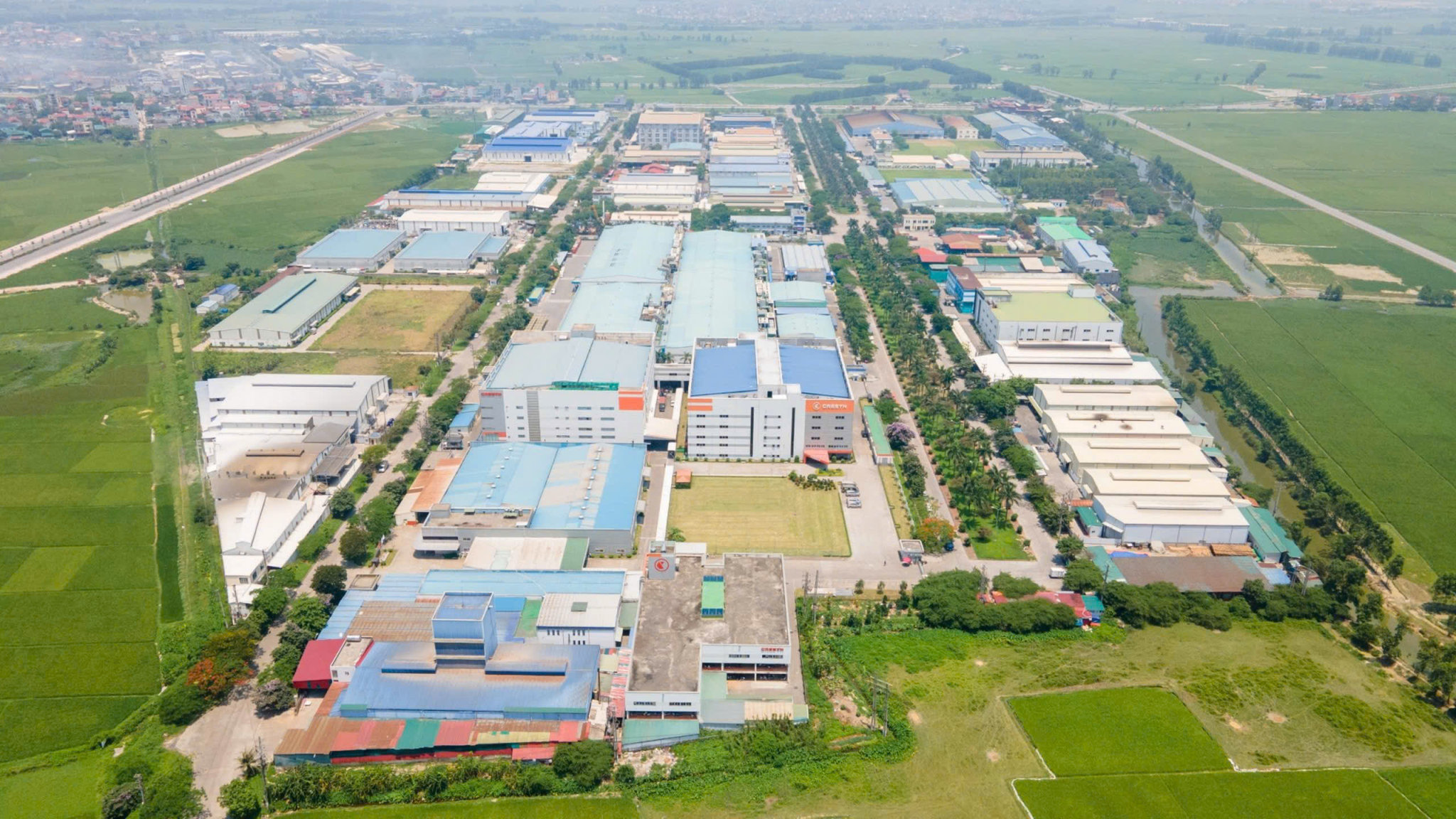 Bac Ninh is gradually building a semiconductor ecosystem on the foundation of its supporting industries and industrial clusters. (Pictured: Dong Tho Multi-Industry Industrial Cluster.)
Known as Vietnam's electronics manufacturing hub thanks to the presence of numerous global technology corporations, Bac Ninh is quietly laying the groundwork for a new phase of semiconductor industry development by strengthening supporting industries through its network of industrial clusters.
In this process, the Bac Ninh Department of Industry and Trade plays a pivotal role in coordinating, managing and guiding the province's industrial development strategy.
Laying the groundwork for semiconductor ambitions
Many experts believe that developing the semiconductor industry requires more than attracting major foreign investors. More importantly, it depends on building a strong ecosystem of supporting enterprises. Behind every semiconductor chip lies an extensive supply chain spanning electronics, precision engineering, advanced materials, technical packaging, communications equipment and a wide range of supporting components.
That is also why Bac Ninh is accelerating the development of industrial clusters (ICs) in a more specialized direction, prioritizing supporting industries and high-tech manufacturing.
According to the Bac Ninh Department of Industry and Trade, by the end of 2025, the province had established 96 industrial clusters covering more than 3,713 hectares. Of these, 67 clusters had completed technical infrastructure investment and become operational, attracting 1,465 projects with a total registered capital of approximately VND 48.21 trillion and creating jobs for around 58,000 workers.
Notably, the occupancy rate of operational industrial clusters has reached approximately 73.4%, reflecting the growing appeal of this industrial development model.
While industrial parks serve as production bases for global technology corporations, industrial clusters are increasingly becoming home to satellite enterprises, businesses that play a direct role in the supporting industry supply chain.
According to Mr. Hoang Anh Tuan, Deputy Director of the Bac Ninh Department of Industry and Trade, the province is focusing on developing industrial clusters with well-integrated infrastructure while prioritizing electronics, precision engineering, supporting industries, advanced materials and other sectors capable of joining high-tech supply chains.
"Sustainable development of the semiconductor industry depends on a strong supporting industry ecosystem. Bac Ninh is not only focused on attracting major corporations, but also on building a network of capable domestic enterprises that can participate in high-tech manufacturing supply chains", Mr Tuan said.
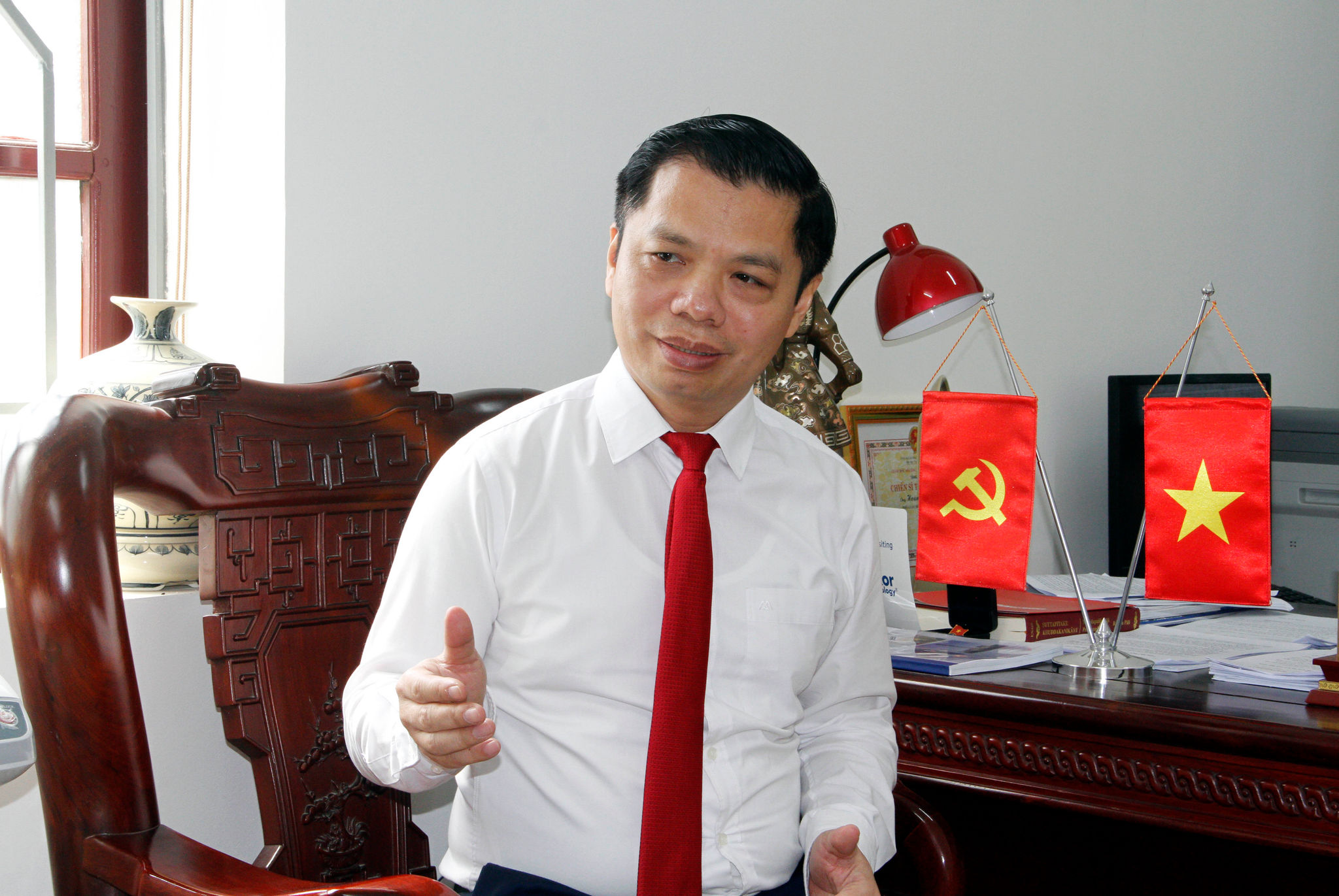 Mr. Hoang Anh Tuan, Deputy Director of the Bac Ninh Department of Industry and Trade, speaks with a reporter from Business Forum Magazine.
In this process, the Department of Industry and Trade plays a key role in the state management of industrial clusters, from advising on policy mechanisms and accelerating infrastructure development to facilitating business connectivity.
Another notable feature is Bac Ninh's efforts to raise the development standards of industrial clusters by promoting greener and more sustainable practices. To date, 39 of the province's 67 operational industrial clusters have been equipped with centralized wastewater treatment systems. This is considered a critical prerequisite for attracting high-tech industries, particularly the electronics and semiconductor sectors, which require stringent environmental standards for manufacturing.
Developing the "satellite" network for high-Tech industries
At Yen Lu Industrial Cluster in Yen Dung Ward, Bac Ninh Province, investment activity is gathering pace. Following recent planning adjustments, the list of priority industries for the cluster reflects a clear focus on supporting industries and high-tech manufacturing.
Priority sectors include the production of electrical and electronic equipment, telecommunications devices, machinery and mechanical engineering, supporting industries, advanced materials, pharmaceuticals, cosmetics and medical devices, batteries and accumulators, as well as electric vehicles and EV components. All of these industries are directly or indirectly connected to the electronics and semiconductor manufacturing supply chain.
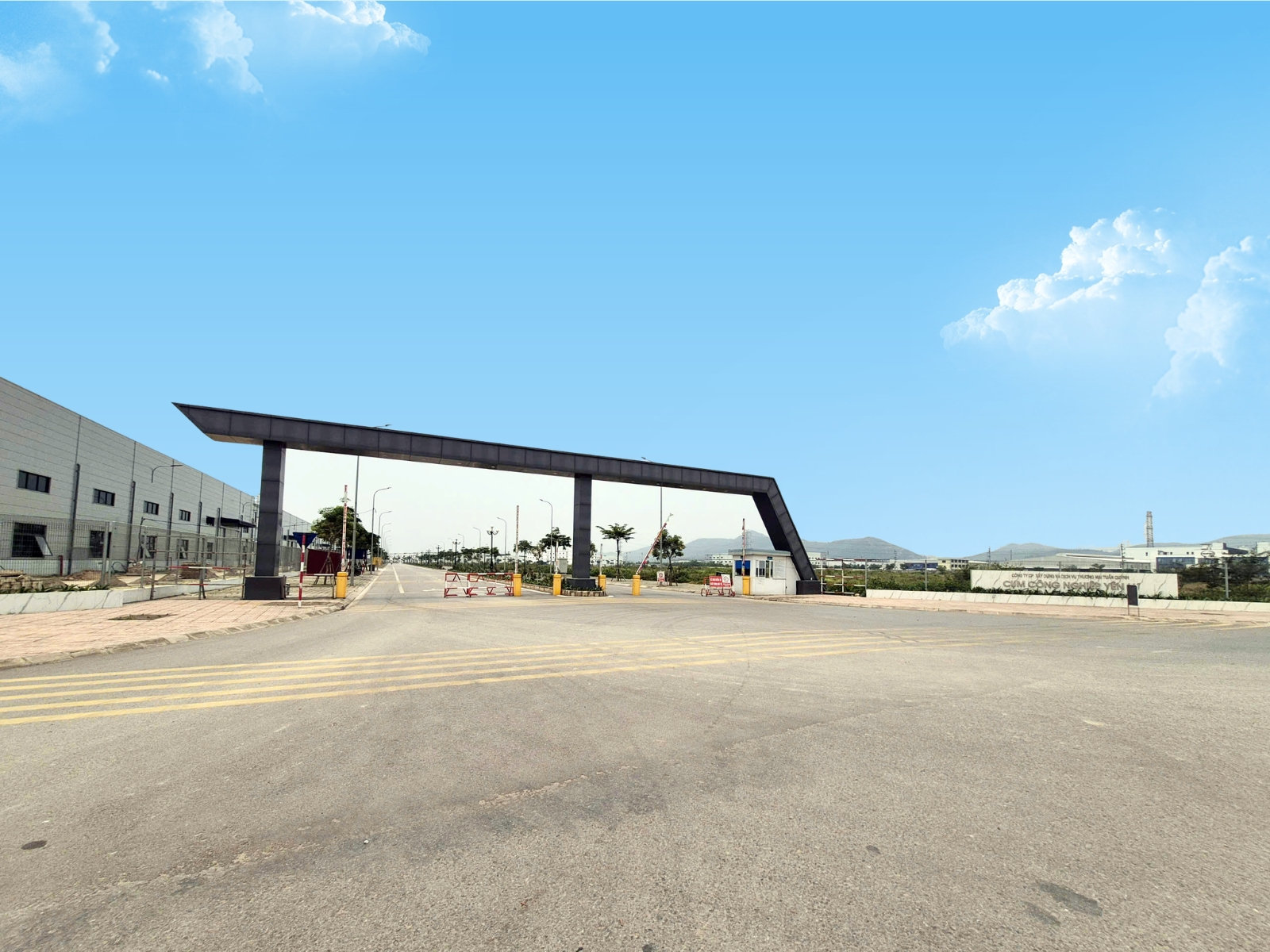 Yen Lu Industrial Cluster is stepping up its selective attraction of investment in high-value-added, technology-intensive industries.
Mr. Nguyen Anh Kien, Head of the Management Board of Yen Lu Industrial Cluster under Tuan Quynh Construction and Trading Services JSC, said the cluster is prioritizing the attraction of technology-intensive enterprises, supporting industry businesses and environmentally friendly manufacturing projects.
"We expect Yen Lu Industrial Cluster to become a key link connecting supporting industry enterprises with the province's high-tech manufacturing supply chain", Mr. Kien said.
According to Mr. Kien, Bac Ninh's greatest advantage is its well-established, large-scale electronics manufacturing ecosystem, anchored by the presence of numerous multinational corporations. This provides significant opportunities for domestic supporting industry enterprises to join global supply chains, provided they can meet the required standards for quality and technology.
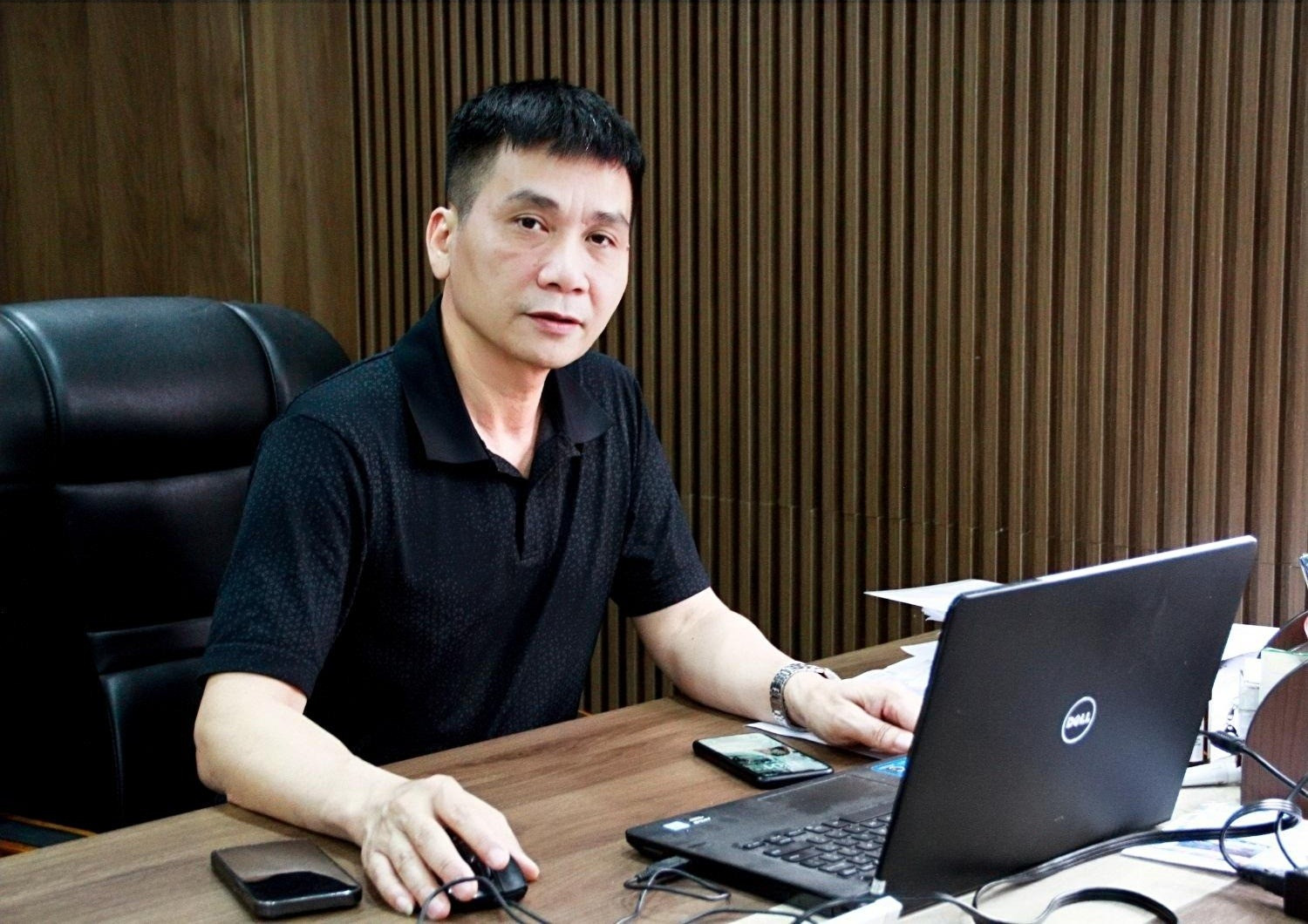 According to Mr. Nguyen Anh Kien, Head of the Management Board of Yen Lu Industrial Cluster, supporting industry enterprises must enter the high-tech arena today if they are to become part of the semiconductor industry's supply chain.
It is not difficult to see that behind Bac Ninh's semiconductor development strategy lies a broader objective: strengthening the capabilities of domestic enterprises. Without a robust supporting industry ecosystem, the province will find it difficult to generate higher value-added within the high-tech manufacturing supply chain.
This is also why Bac Ninh is shifting its focus toward developing industrial clusters in a more professional, systematic manner, rather than simply expanding their footprint. Industry experts believe that, as the global semiconductor sector undergoes a major supply chain realignment, Bac Ninh is well positioned to capitalize on its established electronics manufacturing base. However, the province's ability to integrate more deeply into the global semiconductor value chain will ultimately depend on whether it can build a network of supporting industry enterprises capable of meeting international standards.
Author: KIM DUNG – VU PHUONG (THANH TRA translates)
RECOMMENDED TOPICS