VN
VN
 EN
EN
22/07/2026, 02:38
Investment
Bac Ninh’s journey to building an attractive investment environment
Bac Ninh has consistently attracted investors thanks to its open investment climate, modern infrastructure, and abundant workforce. For many years, the province has ranked among the nation’s leading localities in attracting foreign direct investment (FDI).
Bac Ninh’s investment potential - The convergence of Northern excellence
Bac Ninh is widely regarded as a province that possesses all the favorable conditions in terms of politics, economy, human resources, and geographic location, meeting the requirements of all types of investment projects, including large-scale ventures. Located in the Red River Delta, Bac Ninh serves both as the northeastern gateway to Hanoi and as part of the key economic triangle of Hanoi - Hai Phong - Quang Ninh.
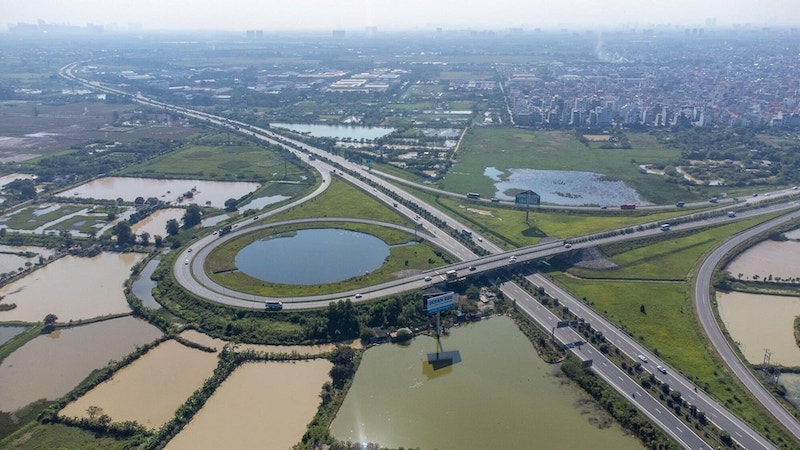
The planned transport route connecting from Gia Binh Airport, after crossing the Duong River, passes through VSIP Bac Ninh Industrial Park and the Trung Mau Station area on the Lao Cai - Hanoi - Hai Phong railway line, before merging with the Hanoi - Thai Nguyen Expressway/Ring Road 3 at the Ninh Hiep interchange.
In addition, the province benefits from a convenient, synchronized, and modern transport network, located close to Noi Bai International Airport and Hai Phong Port, with easy access to border gates in Lang Son and Quang Ninh, creating favorable conditions for economic exchange and goods circulation.
The Policy of “2 Less, 3 High, 4 Ready”
Mr. Dinh Nam Thang, Deputy Head of the Management Board of Bac Ninh Industrial Parks, said the province has proactively carried out investment promotion activities, attracting many major enterprises and corporations seeking business opportunities in line with the policy of “2 Less, 3 High, 4 Ready.”
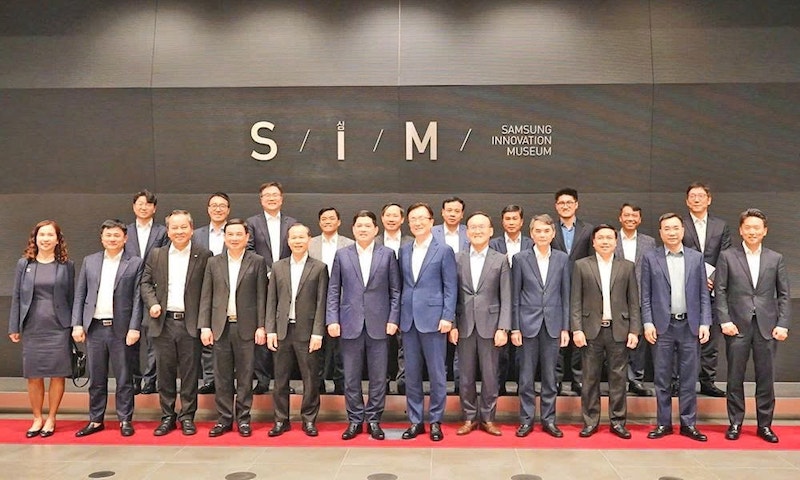
The “2 Less” refers to projects that use less land on a large scale and require less labor.
The “3 High” means attracting projects with high investment capital per project, high efficiency generating strong budget revenues, and high technological content.
The “4 Ready” means ready land sites, ready high-quality human resources, ready mechanisms and policies, and ready support in resolving difficulties for investors.
Taking the Lead in the Semiconductor Industry with Special Incentives
With a strategy of deep industrial development, Bac Ninh has identified the semiconductor industry as a new growth driver and aims to become an important link in the global semiconductor manufacturing supply chain.
To date, Bac Ninh is the first locality in Vietnam to introduce policies supporting teaching, training of high-quality human resources, and semiconductor industry development serving the digital economy, specifically under Resolution No. 05/2024/NQ-HĐND dated June 28, 2024, issued by the Provincial People’s Council.
For vocational learners, the province also provides tuition support for high-quality training programs and occupations related to the semiconductor industry.
A Destination for Global Technology Giants
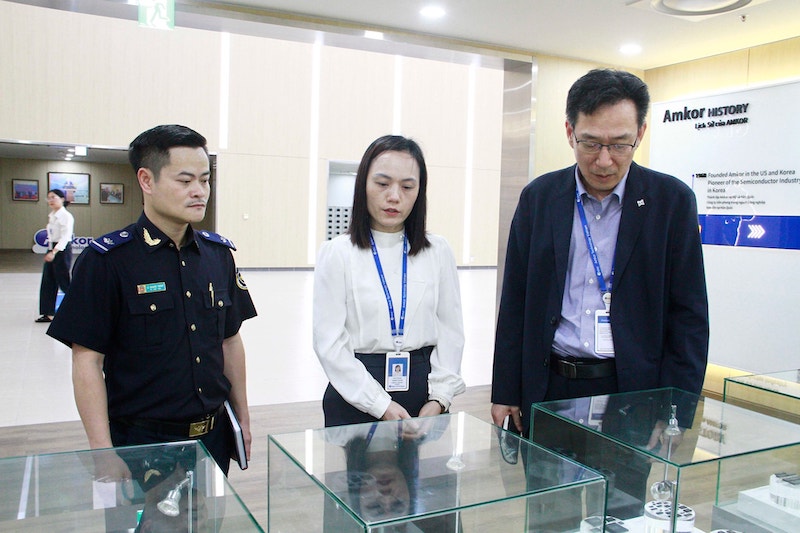
Bac Ninh has also expanded cooperation and investment promotion with many enterprises and major corporations from various countries. Several large groups have continued to launch new projects or expand operations in the province, including Goertek, Amkor Technology, Foxconn, Suntory PepsiCo, and Victory Giant Technology.
Bac Ninh: A Strategic Magnet on Vietnam’s Industrial Map
Bac Ninh currently ranks fourth nationwide in attracting FDI, reaffirming both its appeal and favorable investment environment. It has solidified its position as one of Vietnam’s most dynamic industrial capitals, with breakthrough achievements in investment attraction. No longer limited by its traditional administrative boundaries, the “new” Bac Ninh, with expanded development space, has become a strategic destination for next-generation FDI flows.
According to the latest report, total registered investment capital in industrial parks during the first quarter of 2026 exceeded USD 1.3 billion, with more than 66 new projects (including both foreign and domestic investment), bringing the total number of active projects in industrial parks to over 2,000.
Most capital flows into high-tech industries, semiconductors, smart electronic devices, and green energy.
Companies operating in industrial parks now contribute more than 70% of the province’s total industrial production value and provide jobs for approximately 568,000 workers, making an important contribution to social welfare stability.
The presence of major investors such as Samsung, Amkor Technology, Foxconn, along with ecological industrial park infrastructure projects by Viglacera and VSIP, has created a complete industrial ecosystem, making Bac Ninh an indispensable link in the global supply chain.
Bac Ninh’s success is not accidental, but the result of determined administrative reform. With the “24-hour Green Lane” mechanism and a 60% reduction in administrative procedures, the Industrial Zones Management Board has transformed investor confidence into tangible developments.
The province not only provides businesses with cleared land and synchronized infrastructure, but also a commitment to a “service-oriented government,” always considering business success as the province’s own success.
Today, Bac Ninh serves as a key growth pole of the Capital Region. With export value consistently ranking among the highest nationwide and the development of modern eco-industrial parks, Bac Ninh is not only a manufacturing hub but also a model for transitioning from traditional industry to the digital and green economy.
With a vision to 2030, Bac Ninh is steadily advancing toward becoming a centrally governed city and a model high-tech industrial center, contributing to elevating Vietnam’s international standing.
Industrial park infrastructure across the province continues to expand. To date, 58 industrial park infrastructure projects have received investment approval, including: 21 projects undergoing compensation and site clearance (including 4 newly approved in early 2026); 22 projects with basic technical infrastructure largely completed and substantially occupied;15 projects continuing infrastructure construction and land clearance.
Since the beginning of the year, Bac Ninh has established four new industrial parks with total registered capital of VND 6,439.7 billion, bringing the province’s total to 39 industrial parks covering approximately 11,317 hectares.
Leased industrial land and administrative/service land has reached around 4,316.5 hectares, equivalent to an occupancy rate of 53.9%.
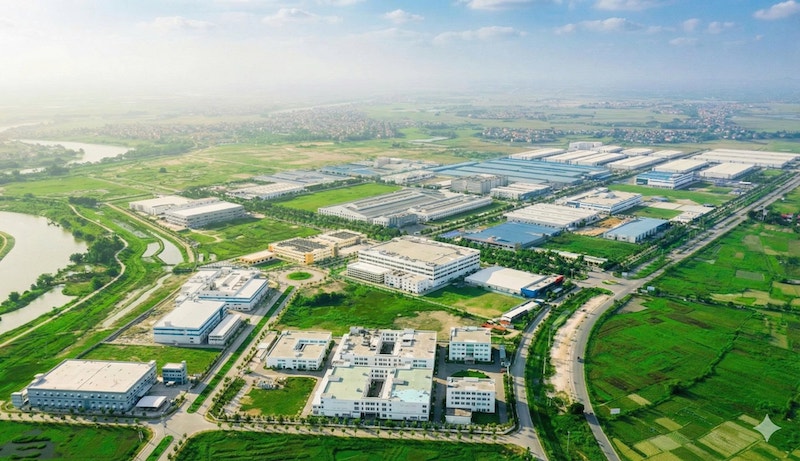
These achievements demonstrate that Bac Ninh’s investment and business environment continues to improve, laying a solid foundation for economic growth in the coming years.
Mr. Dinh Nam Thang added that Bac Ninh is pursuing selective investment attraction, prioritizing projects in high technology, semiconductors, electronics, clean energy, and R&D, while strongly innovating investment promotion methods and expanding cooperation with strategic markets such as Japan, South Korea, United States, and Europe.
The Management Board will focus on developing industrial park infrastructure in a green and smart direction, ensuring clean land reserves and stable electricity, water, and telecommunications services. It will also promote social housing, schools, and healthcare facilities to improve social infrastructure for experts and workers, thereby building a strong industrial ecosystem capable of retaining and attracting more of the world’s leading technology corporations to Bac Ninh.
Author: Kim Dung - Vu Phuong (Cam Anh translates)
RECOMMENDED TOPICS