VN
VN
 EN
EN
26/07/2026, 11:20
Investment
Bac Ninh: The economic landscape of Luong Tai and Gia Binh districts
Both Luong Tai and Gia Binh districts possess distinct economic characteristics, with each district implementing its own strategies to leverage its potential and promote sustainable economic growth.
Accordingly, Gia Binh district focuses on developing clean industries, high-tech agriculture, and ecological agriculture, combined with experiential tourism, creating a diverse and modern economic development model. With industrial zones gradually taking shape and ecotourism projects underway, Gia Binh is steadily becoming an attractive destination for investors.
At the same time, Luong Tai district concentrates on advancing high-tech agriculture, which not only enhances the quality of the products but also directly ties it to the construction of innovative and exemplary new-style rural areas. With well-defined development plans, both are making great strides and making a substantial contribution to the province of Bac Ninh's overall economic growth.
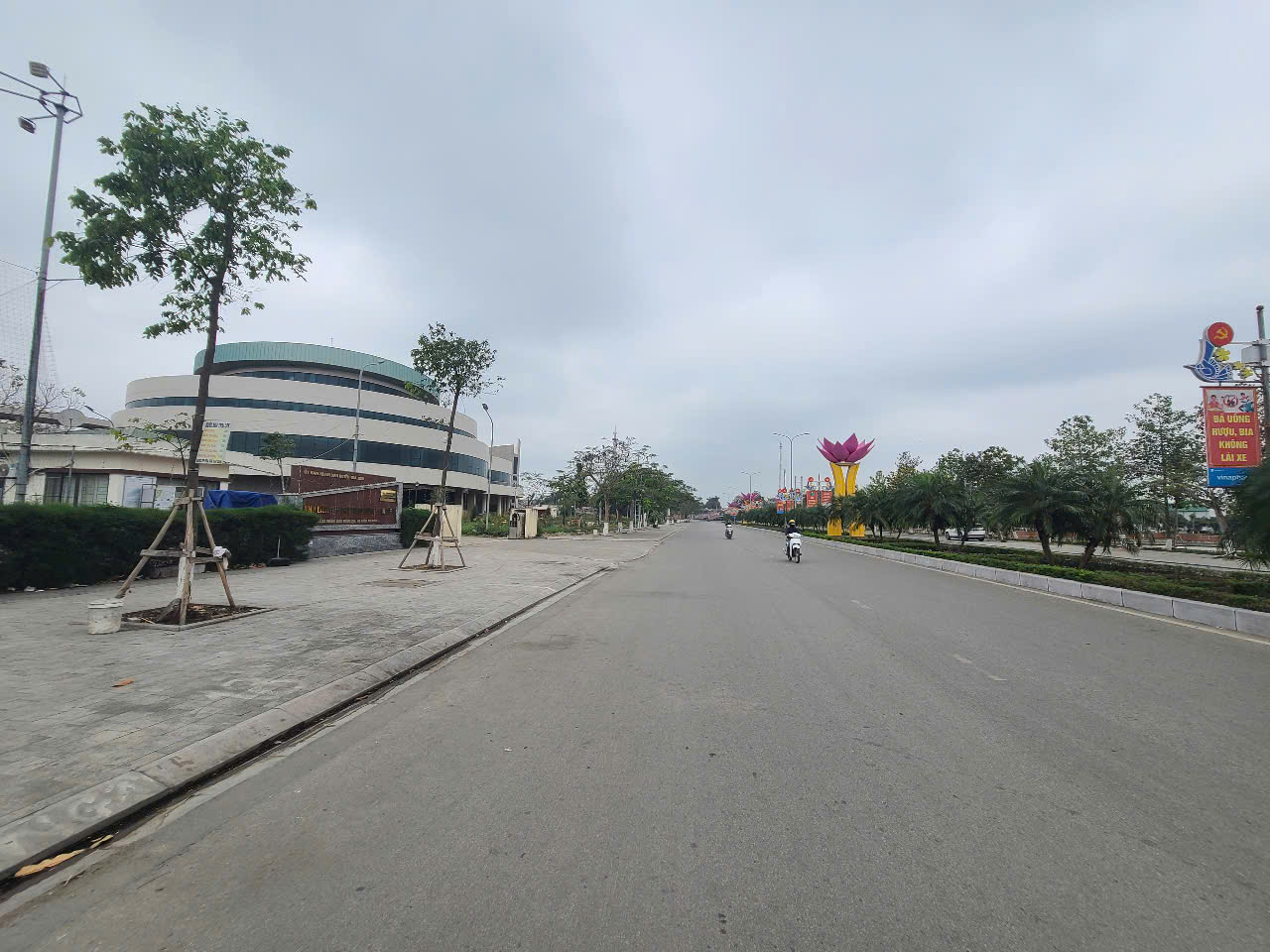 Gia Binh district is accelerating investment in developing spacious, modern urban infrastructure (Photo: Vu Phuong)
Gia Binh district – A destination for investors
Gia Binh district has shown itself to be an appealing option for both foreign and domestic investors in recent years. With the help of contemporary infrastructure projects and a well-defined growth planning strategy, Gia Binh is steadily emerging as the region's economic hub, drawing significant attention from companies, particularly in sectors like high-tech tourism, industry, and agriculture.
Gia Binh is classified as a Bac Ninh province suburb, with a focus on the development of clean industries, high-tech agriculture, and ecological agriculture, along with experience-based tourism, according to the Gia Binh District Construction Plan until 2035, with a vision for 2050. This is a calculated move meant to help Gia Binh develop into a contemporary, vibrant, and sustainable economic area in the future.
The Bac Ninh provincial government has approved this plan with the goal of developing Gia Binh district into an area with a balanced and harmonious economy, focusing both on industry and encouraging clean agricultural production, environmental protection, and the preservation of natural ecological landscapes. These are key factors in attracting both domestic and foreign investors to implement projects in Gia Binh district, while also creating a favorable and sustainable investment environment.
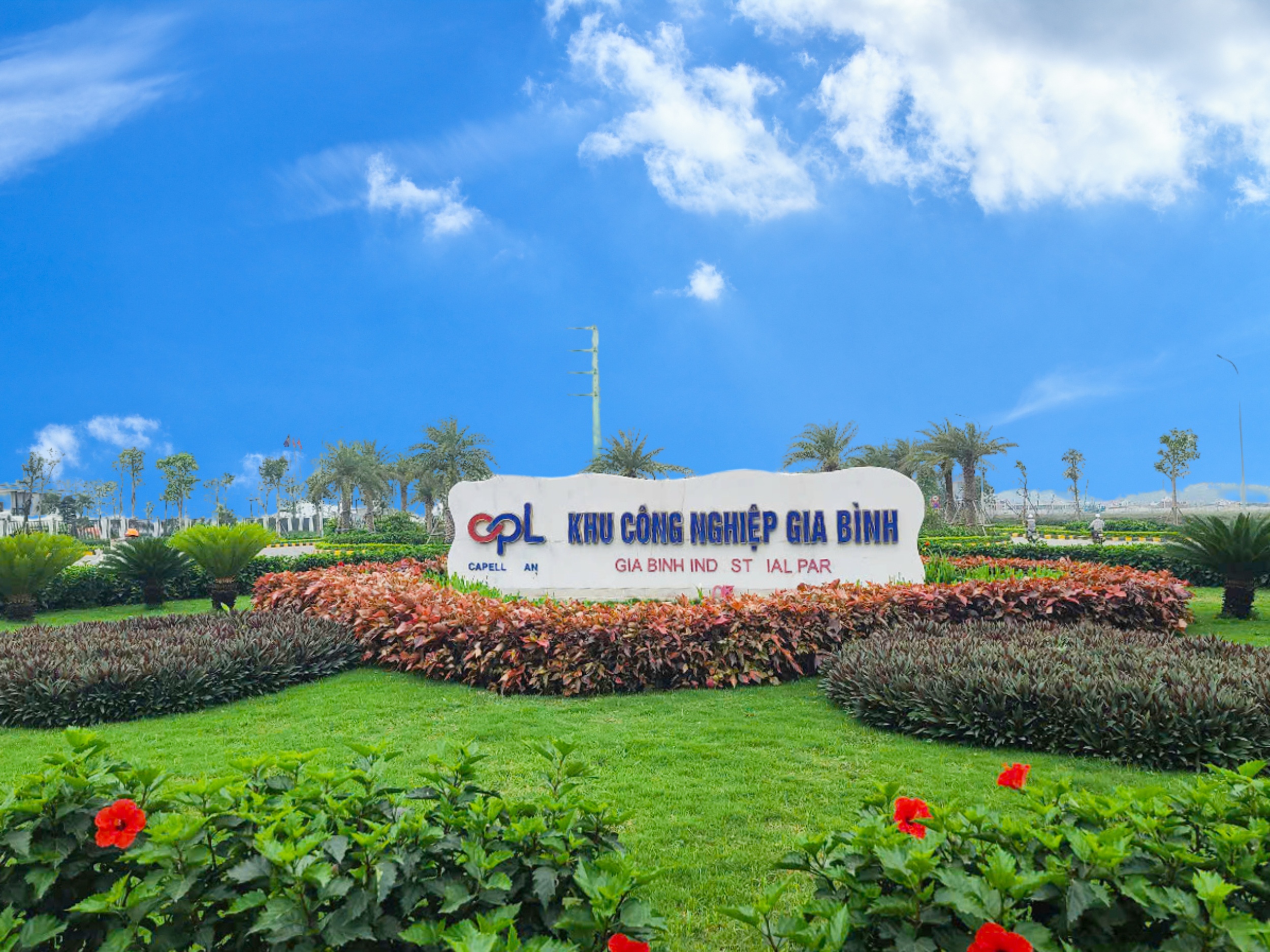 Gia Binh Industrial Park, covering an area of over 306 hectares, will be an ideal investment destination for both domestic and foreign businesses (Photo: Vu Phuong)
One of the key factors that make Gia Binh an attractive destination for investors is the strong investment and upgrading of its transportation infrastructure. Currently, Gia Binh district is developing large industrial parks such as Gia Binh Industrial Park and Gia Binh 2 Industrial Park. These are large, modern industrial zones equipped with all necessary amenities, creating a favorable environment for businesses to operate and grow.
One notable feature is the Gia Binh Airport, which has been approved to become Gia Binh International Airport by the Ministry of Transportation (now known as the Ministry of Construction). This event marks an important turning point in the Gia Binh district's transportation infrastructure planning. Gia Binh Airport is expected to have a capacity of 1 to 3 million passengers once it is operational, with the potential to increase to over 5 million people annually. This would not only greatly strengthen the district's economy but also open up opportunities for cooperation and relationships with international partners.
With the strong development of transportation infrastructure, particularly the connection to the international airport, Gia Binh district will attract investors in logistics, transportation, and supporting industries. Additionally, the development of the road system will help reduce travel time and improve logistics efficiency, which is an essential factor for any investor when choosing an investment location.

Gia Binh Airport is being actively constructed, with expectations to create a breakthrough for both Gia Binh district and Bac Ninh province
The Gia Binh district government has been actively supporting investors in the implementation of projects. According to Mr. Nguyen Cong Ky, Chairman of the Gia Binh District People's Committee, the district government will accelerate land clearance efforts to provide clean land for investors to implement projects according to the registered schedule. This is an important commitment, demonstrating the district government's determination and responsibility in creating a favorable environment for investors, helping them reduce difficulties and obstacles during project implementation.
Gia Binh district is striving to complete administrative procedures, ensuring transparency and efficiency in investment-related matters. Tax incentives, land policies, and business support services will help investors reduce initial costs and quickly integrate into the local business environment.
Luong Tai district develops high-tech agriculture
Luong Tai district plays a key role in connecting the economy between Bac Ninh province and Hai Duong through a relatively synchronized transportation system, and it also has a well-invested agricultural infrastructure. These are the potentials and advantages that allow Luong Tai to focus on developing agriculture and rural areas, with an emphasis on applying high technology and biosafety methods in production and processing. The district aims to accelerate the restructuring of the agricultural sector towards linkages, sustainability, quality improvement, value enhancement, and ecological protection, in alignment with the development of new rural areas. Additionally, it encourages businesses to invest in production, processing, and product consumption linkages.
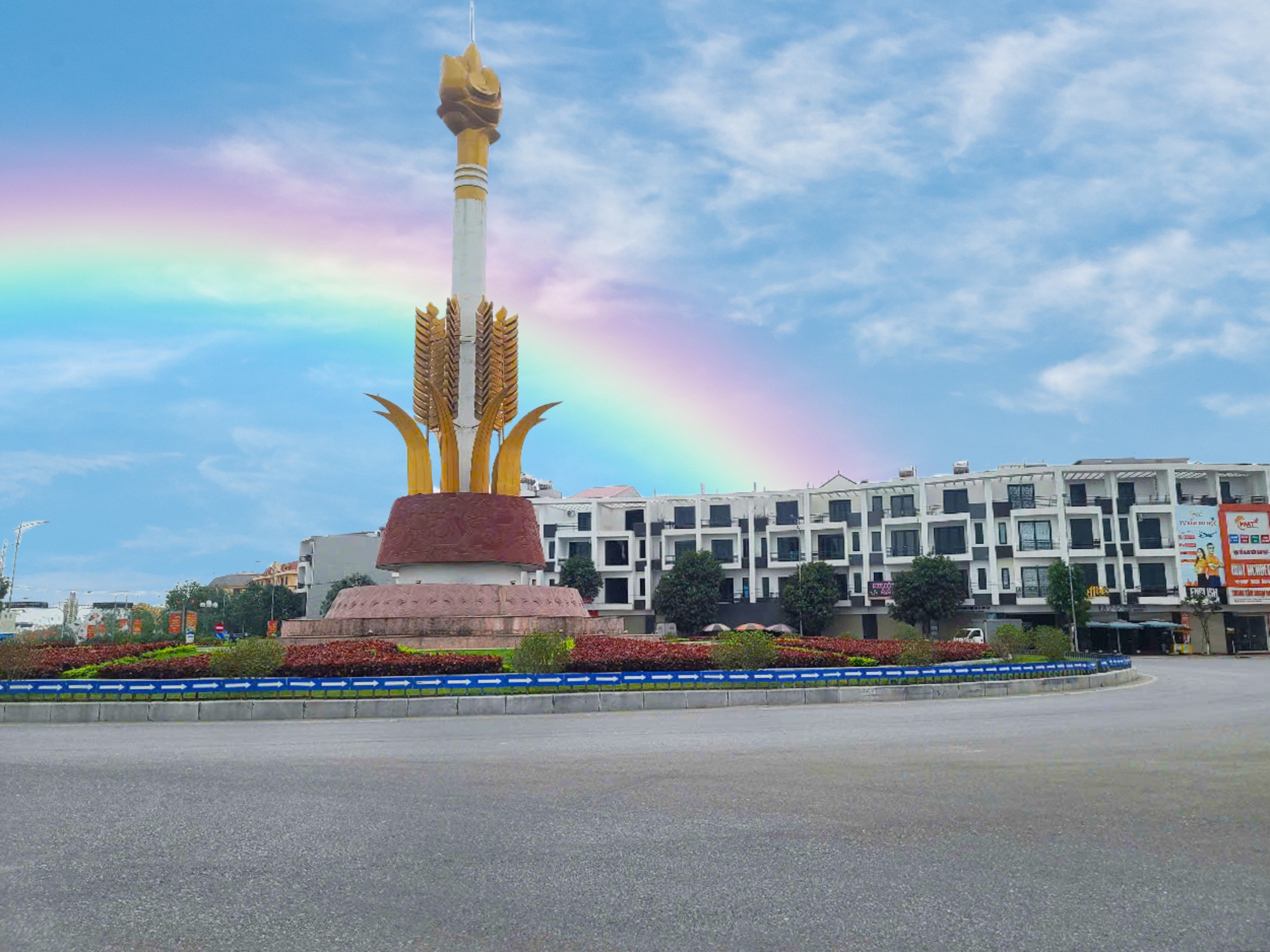
A corner of the center of Thu Town, Luong Tai district, Bac Ninh province (Photo: Vu Phuong)
At the same time, the district focuses on improving product quality associated with ecological tourism, experience-based tourism, and the development of advanced and exemplary new rural areas. It also encourages businesses to invest in production, processing, and product consumption linkages.
According to the Luong Tai District People's Committee, in recent years, the district's agricultural economy has experienced relatively comprehensive growth. The entire district has focused on consolidating land for large-scale agricultural production, with 750.27 hectares dedicated to rice and vegetable crops. There are 07 models of crop cultivation applying high-tech agriculture (including greenhouse and net-house planting, automatic irrigation systems, organic farming methods, VietGap); 27 organizations and individuals engaged in crop production according to VietGap standards; 232 households in aquaculture who have been granted VietGap certification; and 04 businesses investing in crop production.
Some businesses and facilities that have linked with local people to consume their products have been making significant contributions to the district's agricultural development. The product consumption linkages have initially proven effective in enhancing production efficiency.
Currently, the district is forming concentrated commodity production areas linked to the development of key products such as corn, potatoes, and carrots, which bring high economic efficiency. Notable examples include the concentrated rice production areas, as well as the onion and garlic cultivation areas in An Thinh and Trung Kenh communes, and the green pumpkin cultivation in Phu Hoa and Trung Xa communes.
In livestock farming, many businesses and households apply high-tech methods in building barns, feeding, breeding, waste treatment, and using biological products to ensure environmental protection and product quality. Regarding livestock, there are several large enterprises and farms applying high-tech processes. The total area of aquaculture in ponds is 1,286 hectares, reaching 102.3% of the planned target. The number of fish farming cages on the Thai Binh River is 858, concentrated in the communes of Trung Kenh, Quang Minh, and An Thinh. There are 10 concentrated aquaculture zones, each with an area of 10 hectares or more.
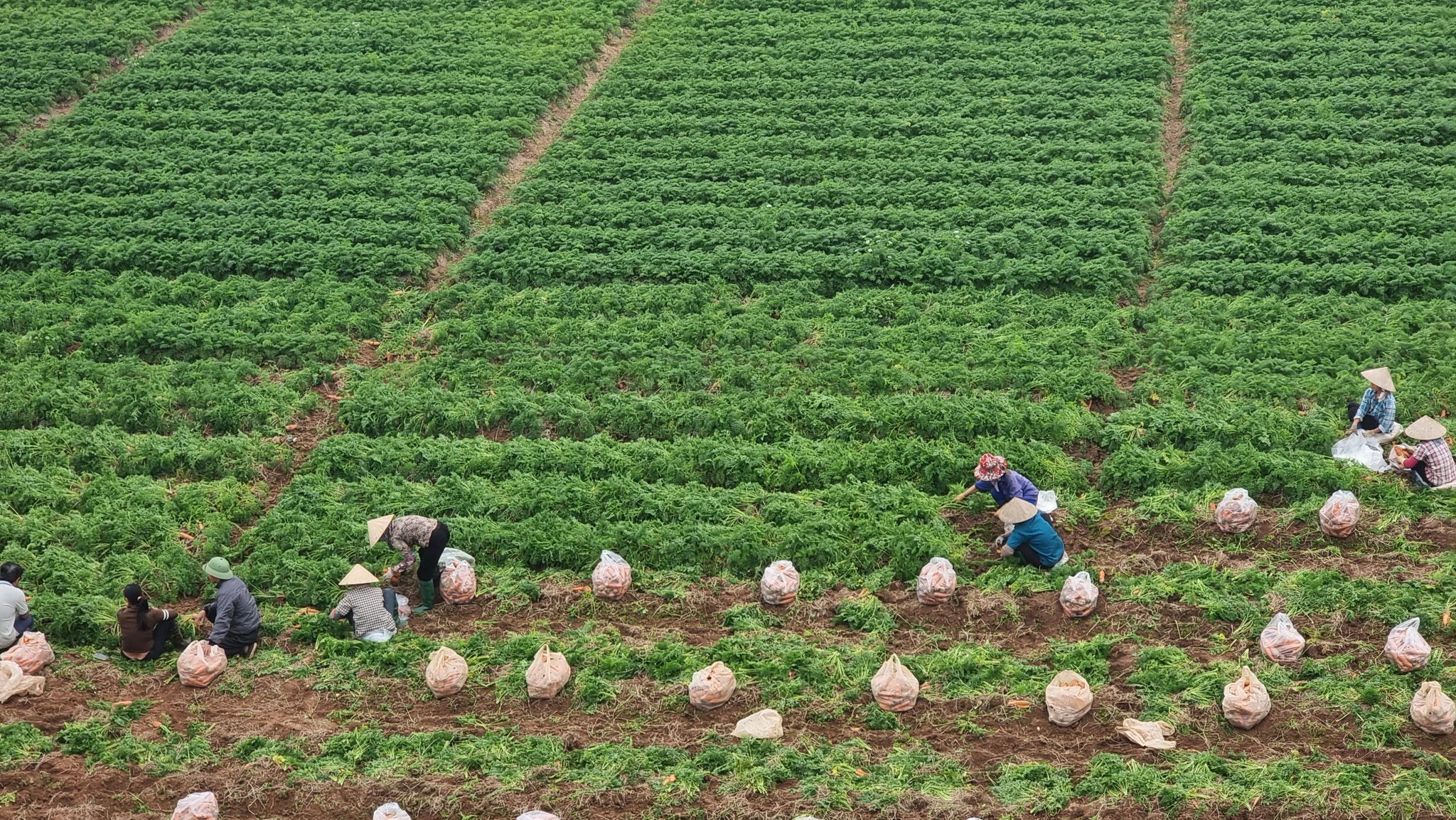
The carrot-growing area in Trung Kenh commune, Luong Tai district, brings high economic value
Along with this, in recent years, Luong Tai district has focused on accelerating public investment disbursement from the beginning of the year, effectively carrying out compensation, support, resettlement, and land clearance and providing clean land for construction projects in the area. Notably, the district has worked closely and created the best conditions for investors to implement the construction of the Kenh Vang Bridge and its access roads, ensuring progress according to the plan. The district also pays attention to environmental protection, strengthens administrative reform, improves the quality of public services, enhances the investment environment, and creates favorable conditions for businesses and residents. Additionally, it emphasizes addressing complaints and petitions, resolving complex cases, and maintaining political security and social order.
To continue leveraging these potentials, in the new phase of implementing the two-level local government model, the land of Luong Tai, after the merging of communes, will continue to prioritize the development of high-tech agriculture. In this process, central urban areas and economic development zones will serve as the core for regional spatial development, spreading to surrounding areas. The agricultural development zone will cover the remaining area of the district, with a focus on high-tech agriculture and ecological agriculture combined with experience-based tourism. The district aims to firmly establish a production linkage model of production-processing-consumption.
Author: KIM DUNG – VU PHUONG (THANH TRA translates)
RECOMMENDED TOPICS