VN
VN
 EN
EN
06/07/2026, 02:00
Business economics
Hung Yen: Realizing green growth ambitions through PGI
In Hung Yen, the Provincial Green Index (PGI) does not merely reflect the quality of environmental governance; it also indicates the province’s readiness to attract clean, high-tech, and environmentally friendly investment projects.
As the province accelerates its industrialization and modernization process, Hung Yen stands at a critical juncture. It must position itself not only as a destination for investment flows, but as a destination for “clean” capital.
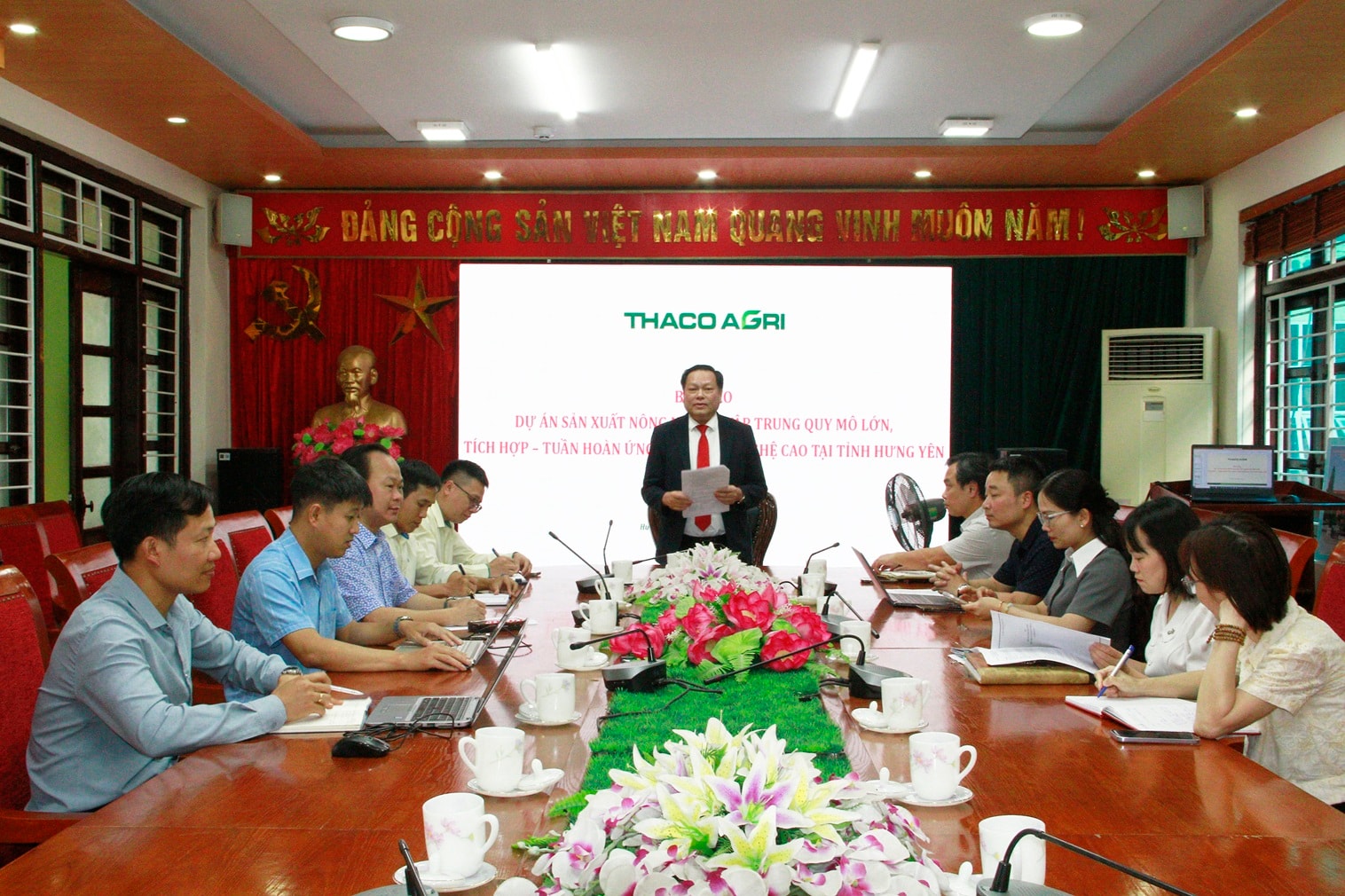
PGI – A Measure of Trust and a Gateway to a Sustainable Future
According to Nguyen Duc Kien, Director of the Department of Agriculture and Environment, the Provincial Green Index is not simply a ranking system. For Hung Yen, it serves as a health report on the investment environment and a commitment by the authorities to businesses and citizens. As the global economy shifts strongly toward green and circular models, the PGI provides a scientific basis for the province to assess its readiness to receive high-tech, environmentally friendly investment projects.
As part of the Northern Key Economic Region and under significant pressure from rapid urbanization and industrialization, Hung Yen clearly understands that failing to prioritize environmental governance would mean that economic achievements come at the cost of enormous pollution remediation expenses.
The PGI helps the province identify priority actions, from improving wastewater collection and treatment systems in craft villages to controlling pollution in industrial parks and clusters. Enhancing the PGI also contributes to building a credible “local brand,” naturally attracting high-quality investors who place strong emphasis on ESG standards.
Department of Agriculture and Environment: The “Architect” and Green Gatekeeper
Kien emphasized that for the PGI to move beyond figures on paper, the role of the Department of Agriculture and Environment has become more critical than ever. As the core advisory body, the Department acts not only as a “gatekeeper” preventing harmful emissions but also as an “architect” designing the province’s green development pathway.
In its strategic advisory and implementation role, the Department has proactively supported the provincial People’s Committee in issuing practical environmental protection plans and programs, particularly by updating regulations under Decree 05/2025/ND-CP to operationalize the Law on Environmental Protection. Beyond theoretical management, the Department directly guides, appraises, and monitors compliance with environmental regulations across production facilities, industrial parks, clusters, and residential areas. This forms a crucial link to ensure that all economic activities operate within safe ecological boundaries.
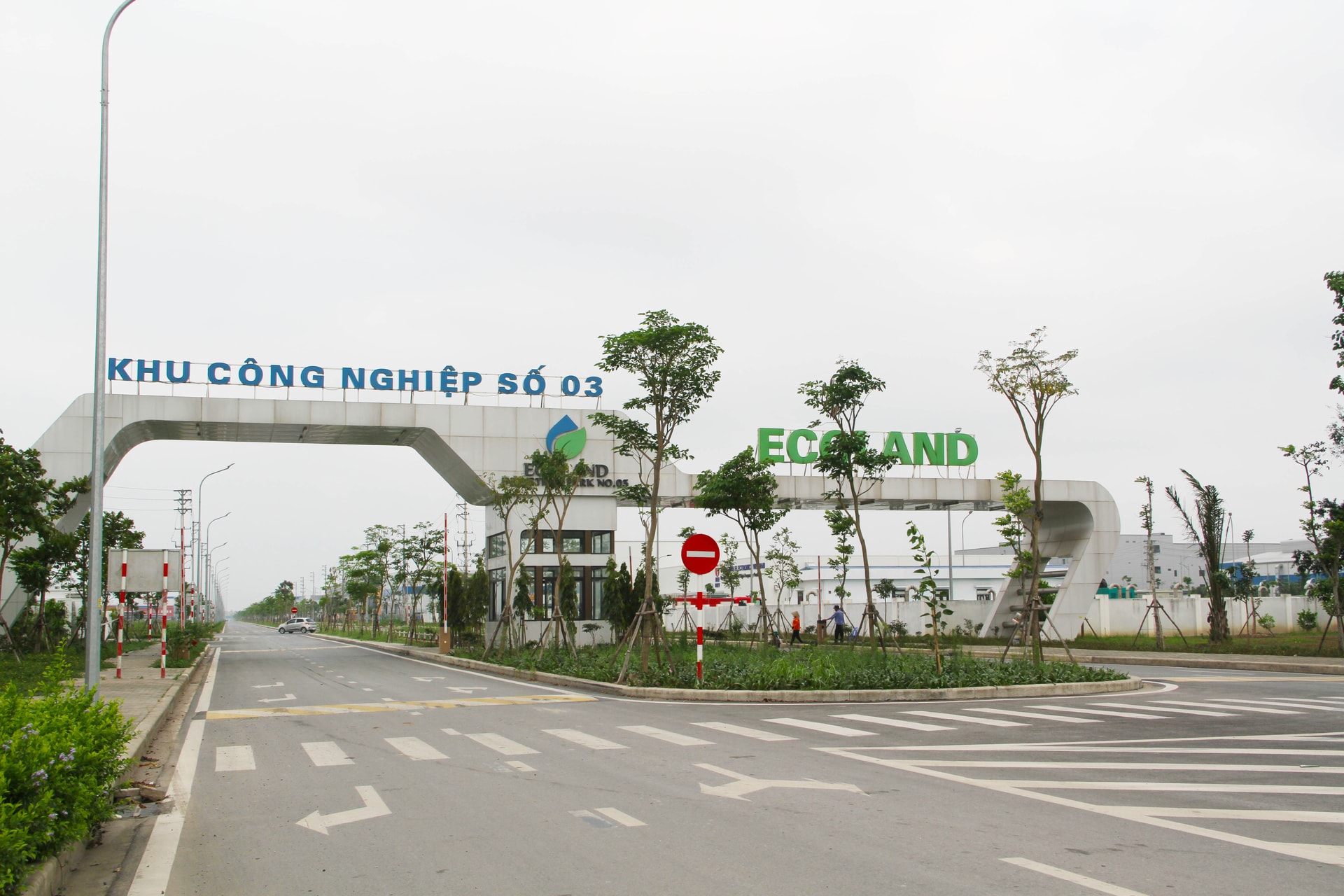
In the context of increasing extreme weather events and disaster risks, the Department has integrated climate adaptation requirements into development planning. From monitoring urban flooding to protecting water resources for agriculture, all measures aim to enhance the resilience of the local economy. Notably, the 2026 plan to strengthen centralized wastewater treatment capacity in urban areas reflects a modern governance mindset that views environmental infrastructure as development infrastructure.
Supporting Businesses: Hung Yen’s Five Strategic Pillars
The sharp improvement in the sub-index on “Incentives and Business Support Services,” rising from 1.46 in 2022 to 6.61 in 2024, is a telling figure. This breakthrough is the result of five coordinated strategic solution groups.
First, administrative reform in environmental procedures has shifted from a “management” mindset to a “service” approach. Enhanced consultation and guidance on environmental documentation and permits help businesses reduce compliance costs and operate with greater confidence.
Second, synchronized investment in environmental infrastructure is a key solution to easing the burden on enterprises. The target for 2026, whereby 100 percent of industrial parks and 60 percent of active industrial clusters will have compliant centralized wastewater treatment systems, is not merely a numerical goal but a prerequisite for maintaining competitiveness.
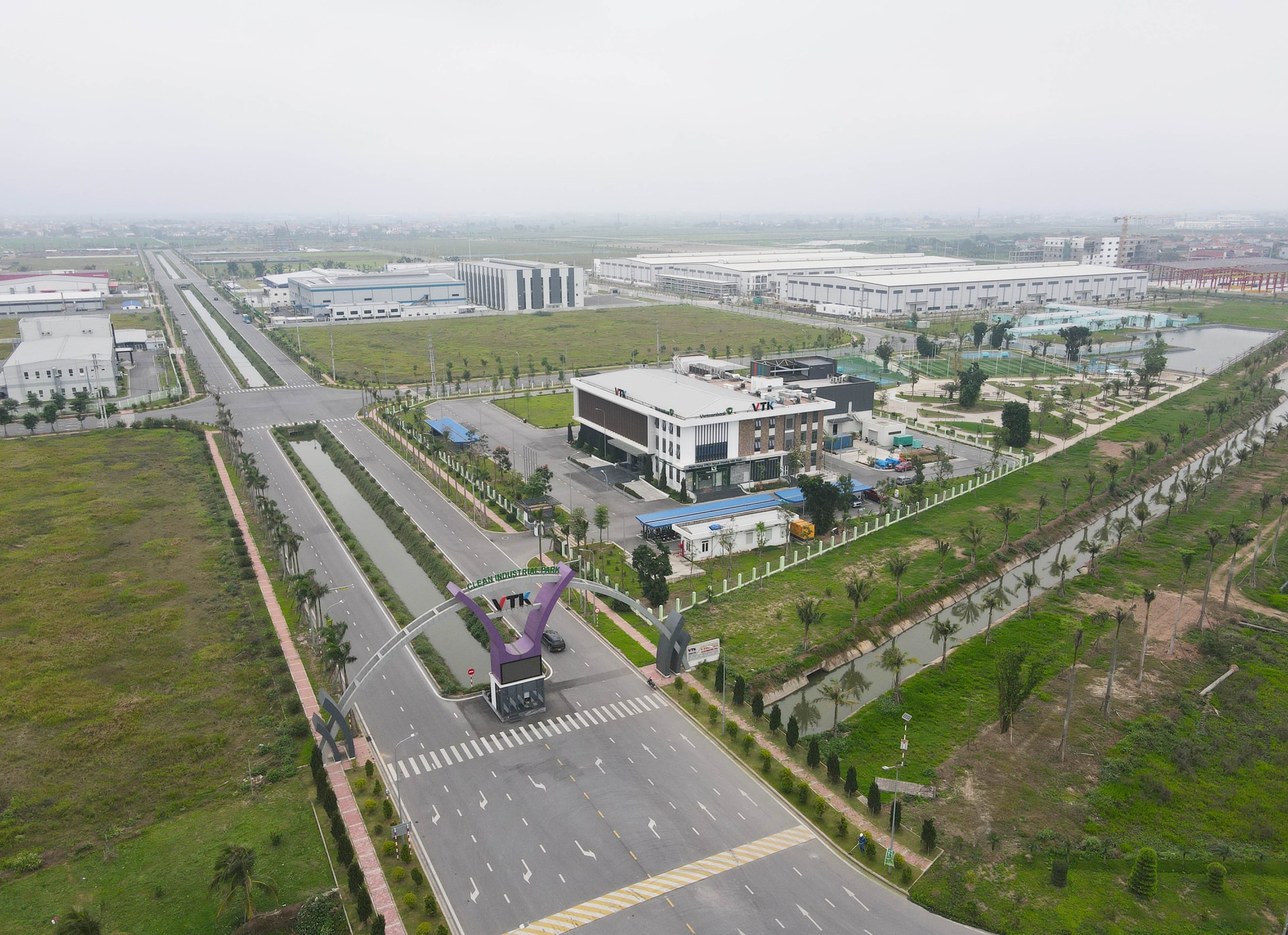
Third, the province promotes technological transformation and the circular economy. Incentives are being created to encourage businesses to innovate and improve energy efficiency. The model in which one enterprise’s input becomes another’s output is being strongly encouraged under sustainable development policies.
Fourth, socialization and the development of support services mean that the province does not attempt to do everything itself. Expanding technical consulting services, facilitating access to green finance, and strengthening workforce training enable businesses to access the resources needed to green their production in a professional manner.
Fifth, inspection and supervision practices are being reformed. Rather than focusing on penalties, Hung Yen is shifting toward early warning and prevention. Inter-agency coordination helps businesses identify and correct issues at an early stage, reducing legal risks and environmental damage.
Voices from Practice: Growing Confidence and Remaining Gaps
According to Kien, improvements in the PGI are not only reflected in reports but also in the perceptions of businesses operating in the province. The steady rise in component scores indicates that government efforts have begun to align with the real needs of the business community.
However, the broader picture shows that significant challenges remain. Pressure from solid waste, wastewater from craft villages, and limitations in centralized treatment infrastructure continue to be major bottlenecks requiring stronger interventions. Businesses expect deeper support in terms of technology and access to concessional financing for green transition, a process that often involves substantial upfront investment.
Building a “green Hung Yen” is not a short-term task, nor is it the responsibility of a single sector. It requires the convergence of progressive governance thinking from provincial leadership, the dedication of advisory agencies, and the sense of responsibility of the business community.
With the foundations already in place and a clear policy direction for 2026, Hung Yen is increasingly confident in improving its position on the national PGI map. Economic development linked with environmental protection is no longer a slogan, but a concrete course of action, ensuring sustainable prosperity and improving the quality of life for all residents of the province.
Author: KIM DUNG - VU PHUONG (Dang Truong translates)
RELATED TOPICS
RECOMMENDED TOPICS