VN
VN
 EN
EN
14/07/2026, 02:00
Legal environment
Proposing reducing import duty rate on seeds to 0%
The Ministry of Finance recently proposed reducing MFN (Most Favoured Nation) import duty rate on seeds.
 |
|
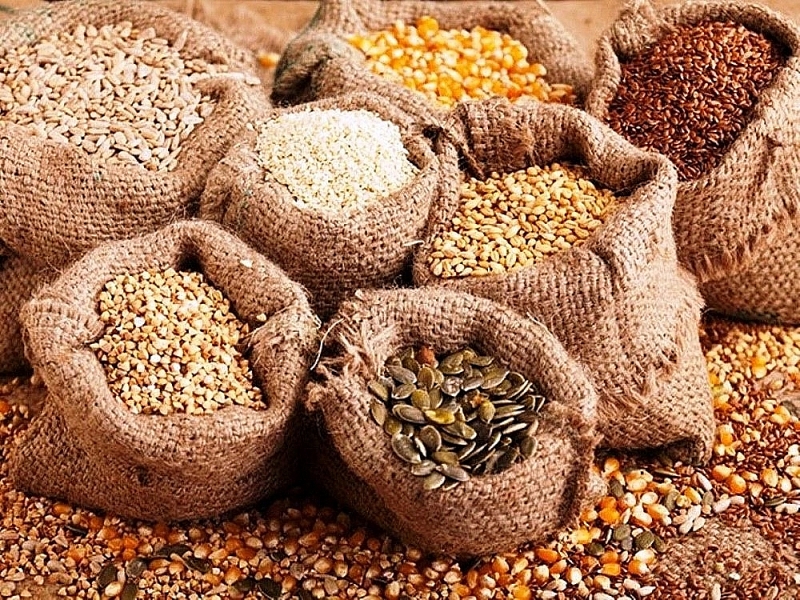
The Ministry of Finance has proposed applying the MFN import duty rate of 0% to seed products used for planting. Photo: Internet. |
According to the ministry, under the current Preferential Import Tariffs, heading 12.07: Other oil seeds and oleaginous fruits whether or not broken (palm nuts and kernels, cotton seeds, castor oil seeds, sesame seeds, mustard seeds, safflower seeds, poppy seeds and shea nuts, of which, only a few kinds of seeds which are detailed in separate tax lines for sowing have a MFN import duty rate of 5% (palm nuts and kernels and cotton seeds), and the remaining have a MFN import duty rate of 10%.
Items such as watermelon seeds, cucumber seeds and pumpkin seeds for sowing are currently subject to the MFN import duty rate of 10%, meanwhile seeds, fruits and sprouts for sowing in heading 12.09, have the MFN import duty rate of 0%.
The Ministry of Finance said this regulation is not in line with the policy of promoting the agricultural industry and has inadequacies.
Therefore, in the draft decree amending Decree 57/2020 of the Government, the Ministry of Finance proposed the Government apply the MFN import tax rate of 0% to seed products for sowing in the heading 12.07 and separate other oilseed and fruits for sowing in heading 12.07 into Chapter 98 with the import duty rate of 0% to unify the 0% tax rate for seed products, fruits and sprouts, used for sowing in heading 12.09.
For seeds and vegetables for sowing under the specialised management of the Ministry of Agriculture and Rural Development and described in the Law on Cultivation 2018 and Decree 94/2019 of the Government detailing articles of the Law on Cultivation on plant varieties and cultivation, the export and import of plant varieties requires permits. Therefore, when firms import the above seeds, they must submit permits issued by the specialised management agency, the customs authority can base on the permits to classify them and impose tax. This is shown in Chapter 98 of the Preferential Import Tariffs.
Author: Thuy Linh/ Huyen Trang, Customsnews
RECOMMENDED TOPICS