VN
VN
 EN
EN
10/07/2026, 10:58
VCCI
Stronger Consumer Protection Mechanisms Needed in the Electricity Market
Alongside expanding competition within the retail electricity sector, the Vietnam Chamber of Commerce and Industry (VCCI) has stressed the need for robust mechanisms to safeguard consumer rights and enhance market transparency.
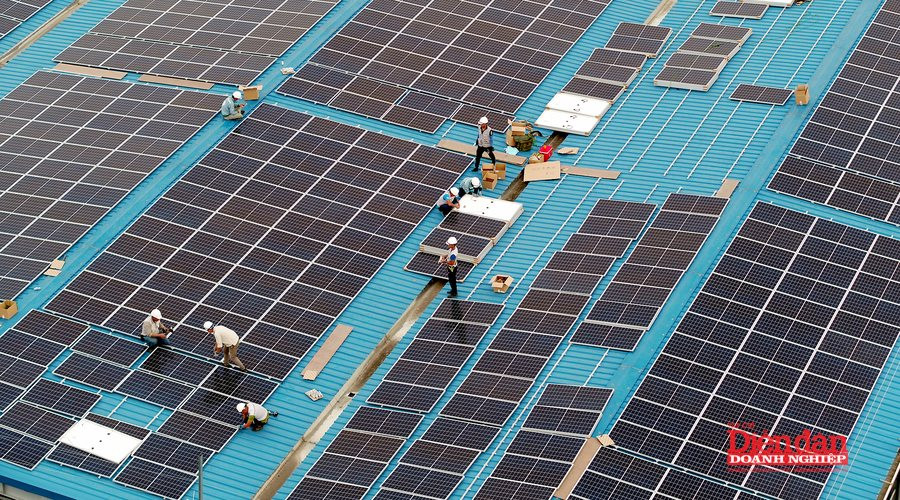
VCCI proposes that the drafting committee establish a clear roadmap for transparency, ultimately separating grid management functions from retail operations. Photo: Quoc Tuan
In its commentary on the Draft Comprehensive Report—which outlines the finalised design of the Vietnam wholesale electricity market (VWEM), the development of the Vietnam retail electricity market (VREM), and the overall implementation roadmap—VCCI made several recommendations. These aim to refine the regulatory framework, ensure transparent and efficient market operations, and create incentives to attract private investment.
VCCI highlighted that the electricity distribution grid is currently managed predominantly by state-owned enterprises. Opening up the retail market whilst these entities maintain a natural monopoly over infrastructure and concurrently engage in direct retail sales could raise concerns regarding unfair competition between state and private enterprises.
To encourage private sector participation in electricity retail, VCCI proposes that the drafting committee establish a clear roadmap for transparency, ultimately separating grid management functions from retail operations. Consequently, businesses must be granted equitable access to both infrastructure and information. This will foster a healthy competitive environment, thereby improving service quality and delivering greater benefits to consumers.
Another issue of significant concern is the procedure for switching electricity suppliers. In practice, manufacturers, particularly energy-intensive factories, are highly motivated to switch suppliers to access better services. However, if the processes for meter readings or transferring contracts are overly complex, compliance costs will rise, subsequently dampening the incentive to participate in the open market.
To address this, VCCI recommends a fully digitalised process that streamlines administrative procedures and allows parties the flexibility to choose suitable transaction methods. Furthermore, subject to customer consent, a shared database and transparent information-sharing mechanism should be established to reduce both time and costs for businesses.
Regarding the proposed financial guarantees for electricity retailers, VCCI acknowledges this as a necessary measure to mitigate systemic risks. However, relying solely on large cash deposits would place severe cash-flow pressures on firms, particularly small and medium-sized enterprises (SMEs).
Therefore, VCCI suggests introducing a more flexible range of guarantee instruments in line with international best practice and current legislation. Specifically, firms could utilise bank guarantees, commercial insurance, or credit rating mechanisms in lieu of cash deposits. This approach balances risk management with a reduced financial burden, paving the way for broader market participation.
VCCI also welcomed the proposed “backup supplier” mechanism, which ensures customers do not suffer power outages if their retailer ceases operations. Nevertheless, VCCI cautioned that an abrupt transition could force businesses to purchase electricity at substantially higher rates than their previous contracts.
Consequently, VCCI proposes introducing a grace period featuring a stable price cap for customers forced to switch suppliers through no fault of their own. This would provide businesses with adequate time to secure a new supplier, mitigate input cost volatility, and ensure uninterrupted operations.
Finally, VCCI proposed mandating electricity retailers to provide early notification to customers if they face the risk of bankruptcy or operational cessation, allowing clients to proactively develop contingency plans.
Author: Yen Nhung (Ngoc Anh translates)
RECOMMENDED TOPICS