Credit flows into infrastructure, social housing, agriculture gain momentum
Credit programmes targeting infrastructure, social housing and agriculture in Viet Nam have continued to gather pace, with initial results showing steady progress,...
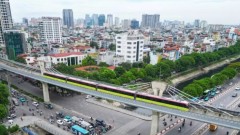
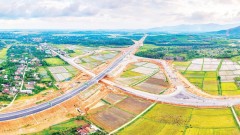
On December 19, 2025, Viet Nam reached a particularly significant milestone in infrastructure investment: the completion, beyond the original target, of 3,000 km of...
In a global economic context marked by volatility, Viet Nam continues to emerge as one of the most dynamic and stable economies in the region, with high growth rates,...
To close the infrastructure gap, Vietnam must scale market innovation and build investor confidence in bonds as a viable, long-term funding tool.
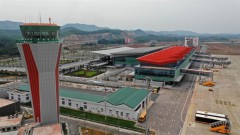
When Long Thanh International Airport opens its first phase in 2025, it will do more than move passengers. This massive project, designed to handle 100 million...
Hanoi's real estate market is expected to continue having positive developments in the upcoming quarters.
The transformation of the EWEC from a mere transport corridor to a fully-fledged economic corridor is progressing slowly.
With total spending of 5.7 per cent of GDP on infrastructure, Việt Nam has taken the lead in Asia in this regard.
Infrastructure investment, trade environment and competitive wages are three factors that keep Vietnam’s economy humming along and its growth numbers positive, according...
Public investment alone is insufficient to finance new airport infrastructure, exposing the need for more favourable policies to draw in private investment.
The airport infrastructure investment would be accelerated since 2022F. This would open up great opportunities for private investors, said VNDirect.
The investment channel of corporate bonds has grown strongly in recent years, but experts also point out this market is developing unstably and still has shortcomings....
Covid-19 is seen as a catalyst to drive the demand for expanding digital infrastructure.