VN
VN
 EN
EN
26/07/2026, 02:38
Business economics
Vietnam’s Economy Maintains Strong Momentum Amid Global Uncertainties
The Vietnamese economy has demonstrated notable resilience despite continuing global uncertainties.

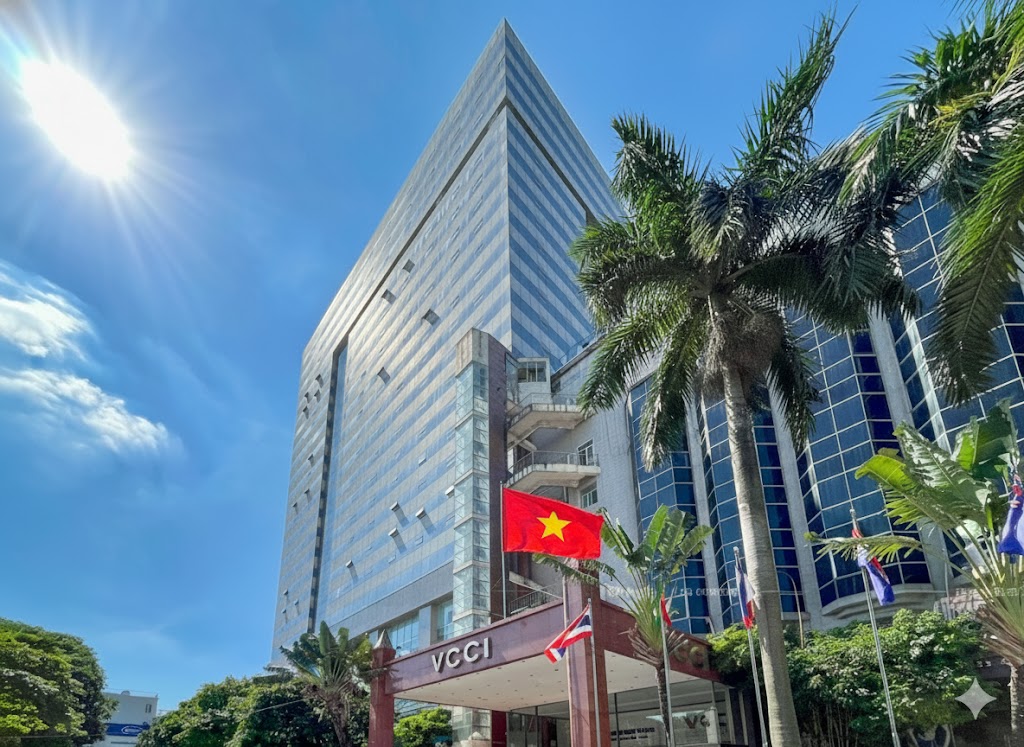
Illustrative photo
Growth has been underpinned by strong export-oriented manufacturing, sustained foreign direct investment, and firm domestic demand. Credit growth has been brisk and there are incipient signs of risk accumulation. Safeguarding macro-financial stability will require a prudent, well-calibrated policy mix that avoids procyclicality while managing emerging macro‑financial pressures.
This preliminary assessment follows AMRO’s Annual Consultation Visit to Vietnam from March 23 to April 3, 2026. The mission was led by Deputy Group Head and Principal Economist Anthony Tan. AMRO Director/CEO Yasuto Watanabe and Chief Economist Dong He participated in the policy discussions and met with the State Bank of Vietnam Governor and Deputy Minister of Finance Tran Quoc Phuong.
“After an exceptionally strong growth performance last year, Vietnam’s economic growth is expected to soften to around 7.2 percent in 2026−27, as the tailwinds from last year’s robust external demand gradually fade,” said Mr. Tan. “Domestic demand is expected to remain resilient, underpinned by continued policy support, including the extended VAT rate reductions and planned public infrastructure spending.”
Inflation has remained contained so far, staying below the government’s operating ceiling of 4.5 percent. However, escalating tensions in the Middle East since February 28 have driven up global energy prices, prompting a sharp increase in retail fuel prices in Vietnam in early March. Continued strong credit growth and rising public expenditures are also expected to add to price pressures.
On the external position, Vietnam’s current account surplus remained at a record high of 6.7 percent of GDP in 2025, supported by resilient goods exports and strong remittances. At the same time, there were sizable capital outflows.
Budget performance in 2025 reflected stronger-than-targeted revenue collection alongside sluggish expenditure execution. Revenue outperformance was mainly driven by capital inflows from accelerated land-use transactions following the enactment of key land and housing laws. Meanwhile, expenditures increased moderately compared to the previous year. The fiscal position is expected to strengthen, with a small surplus of 0.9 percent of GDP in 2025.
However, escalating tensions in the Middle East since February 28 have driven up global energy prices, prompting a sharp increase in retail fuel prices in Viet Nam in early March. Continued strong credit growth and rising public expenditures are also expected to add to price pressures.
In AMRO's views, Vietnam’s near-term macro‑financial conditions call for a prudent, well-calibrated policy mix to stabilize growth while containing emerging risks. Fiscal policy should prioritize provision of targeted support to vulnerable sectors amid rising energy prices over broad-based expansion, with emphasis on effective spending that does not exacerbate macro‑financial pressures.
"Strong growth alongside emerging financial imbalances points to the need for an unwinding of accommodative monetary policy, while closely monitoring liquidity and foreign exchange conditions. Financial regulators and supervisors should exercise stronger macroprudential oversight particularly on real estate and household lending", said AMRO.
Over the longer term, AMRO said, the policy agenda should focus on three inter-related priorities:
- Accelerating domestic industrial upgrading by deepening FDI−local linkages and raising further domestic value-added content.
- Strengthening policy frameworks in tandem with growing economic complexity, including modernizing monetary and financial policy frameworks, revenue mobilization, and public investment management.
- Advancing financial sector and capital market reforms to create credible domestic investment opportunities, improve capital allocation, and reduce incentives for speculative capital outflows.
Author: NGOC ANH
RECOMMENDED TOPICS