VN
VN
 EN
EN
25/07/2026, 02:38
Investment
Vietnam’s GDP per capita tops USD 5,000, marking an investment turning point
In 2025, Vietnam’s GDP per capita at current prices is estimated at VND 125.5 million per person, equivalent to USD 5,026—an increase of USD 326 compared with 2024.
GDP per capita exceeds USD 5,000
According to data from the General Statistics Office (Ministry of Finance), gross domestic product (GDP) in the fourth quarter of 2025 is estimated to have grown by 8.46% year-on-year, the highest fourth-quarter growth rate recorded during the 2011–2025 period, continuing a pattern in which each quarter outperformed the previous one.
.jpg)
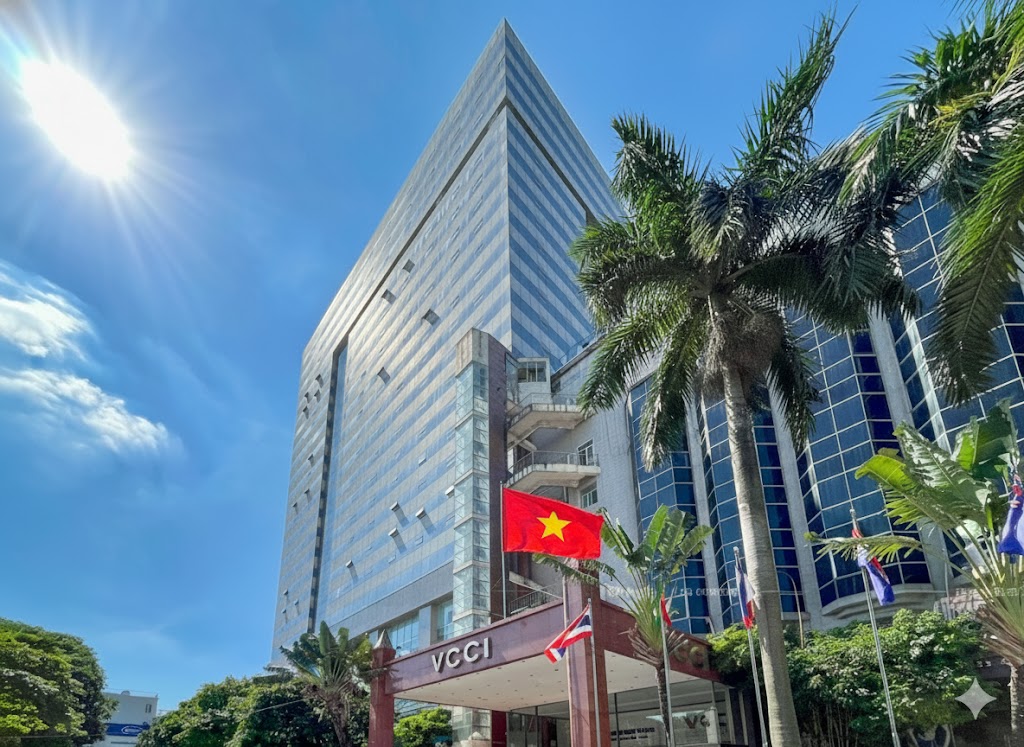
At the USD 5,000 threshold, in terms of purchasing power parity (PPP) and saving behavior, households have entered a phase of wealth accumulation and investment. (Illustrative photo)
The information was released at a press conference announcing socio-economic statistics for the fourth quarter and full year of 2025, held on the afternoon of January 5. According to the General Statistics Office, Vietnam’s GDP at current prices in 2025 is estimated at VND 12.8 quadrillion, equivalent to USD 514 billion—an increase of USD 38 billion from 2024 (USD 476 billion).
Vietnam’s per capita income has continued to improve year after year. With GDP per capita reaching the USD 5,000-per-year milestone, Ms. Lương Thị Mỹ Hạnh, Director of Domestic Asset Management at Dragon Capital Vietnam, said this represents a structural turning point in financial behavior, as income moves beyond basic consumption toward asset accumulation and financial investment.
Looking at the income structure, a segment of the population in major urban centers surpassed the USD 5,000 threshold as early as 2024. The middle class is projected to expand from 13% of the population in 2023 to 26% by 2026, concentrated primarily in Hanoi and Ho Chi Minh City. “This shows that beneath the average figures, a ‘young middle class’ is emerging with clear capacity for wealth accumulation and investment,” the expert noted.
Citing research findings, Dragon Capital’s Director of Domestic Asset Management pointed out that Vietnam’s domestic savings rate stands at around 25–27% of GDP, indicating rising wealth accumulation and broadly in line with levels seen in other developing ASEAN economies. However, the structure of savings remains tilted toward traditional assets such as gold, bank deposits, and real estate, while allocations to equities, bonds, or pension funds remain relatively low.
At the USD 5,000 income level, in terms of PPP and saving behavior, households have entered a phase of wealth accumulation and investment. The key challenge, therefore, is not fostering a saving habit, but rather shifting savings from traditional channels to long-term and more diversified financial instruments.
A “golden moment” for the wealth management industry
Vietnam is entering a phase of rapid income growth, creating a significant new class of financial assets. This presents a structural opportunity for Vietnam’s asset and wealth management industry to scale up accordingly, rebalance the national financial system, and add greater depth to the capital market. If this opportunity is missed, it would represent a regrettable strategic gap for all stakeholders, Ms. Lương Thị Mỹ Hạnh said in her assessment of the wealth management sector.
According to her, to capitalize on this “golden moment,” the wealth management industry must prepare along two parallel tracks, requiring coordinated action from both regulators and industry players.
First is the strengthening of sufficiently robust financial intermediaries to serve as a solid foundation for converting income into safe net assets for households. From a policy perspective, momentum should be drawn from Decision No. 3168/QĐ-BTC of 2025 on the investor restructuring program. Key solutions include encouraging long-term investment through tax incentives, improving investor quality through financial education, and, critically, expanding distribution infrastructure by allowing banks to participate in the distribution of fund certificates. This would enable capital markets to penetrate more deeply into a rapidly growing population and asset base.
Second is the development of a market that is sufficiently deep, efficient, and resilient to risk. Asset management companies should prioritize comprehensive digital transformation to improve public access to investment products at lower costs, thereby expanding the industry’s scale. In parallel, leveraging big data will help personalize products and advisory services, better matching the rapidly growing demand for long-term wealth accumulation and investment. Finally, to strengthen market confidence as financial assets grow quickly, firms must upgrade risk monitoring systems using advanced analytical models to ensure operational and systemic safety.
For individuals, amid the rapid rise in personal wealth in Vietnam and increasingly unpredictable global risks such as natural disasters and geopolitical instability, strategies for building sustainable prosperity cannot rely on short-term market sentiment. Global capital market history shows that crises do not erase long-term asset growth trends, but they often eliminate undisciplined investors before long-term returns have time to materialize, Ms. Lương Thị Mỹ Hạnh noted.
Accordingly, she said, the appropriate approach for individual investors is to maintain a long-term investment mindset, implement disciplined and regular wealth accumulation over time, and prioritize time in the market over market timing. The three core principles remain discipline, risk diversification, and time, as they help reduce volatility, limit systemic risk, and harness the power of compounding. When investment is linked to major life goals such as education, home ownership, and retirement, and when high-quality financial instruments are chosen, income can be transformed into net assets in a safe and sustainable manner.
Author: AN DINH - TRUONG DANG
RELATED TOPICS
RECOMMENDED TOPICS