VN
VN
 EN
EN
22/07/2026, 02:38
Investment
What challenges face VHC?
Vinh Hoan JSC (HoSE: VHC) has set business plans with revenue and profit targets higher than the same period last year.
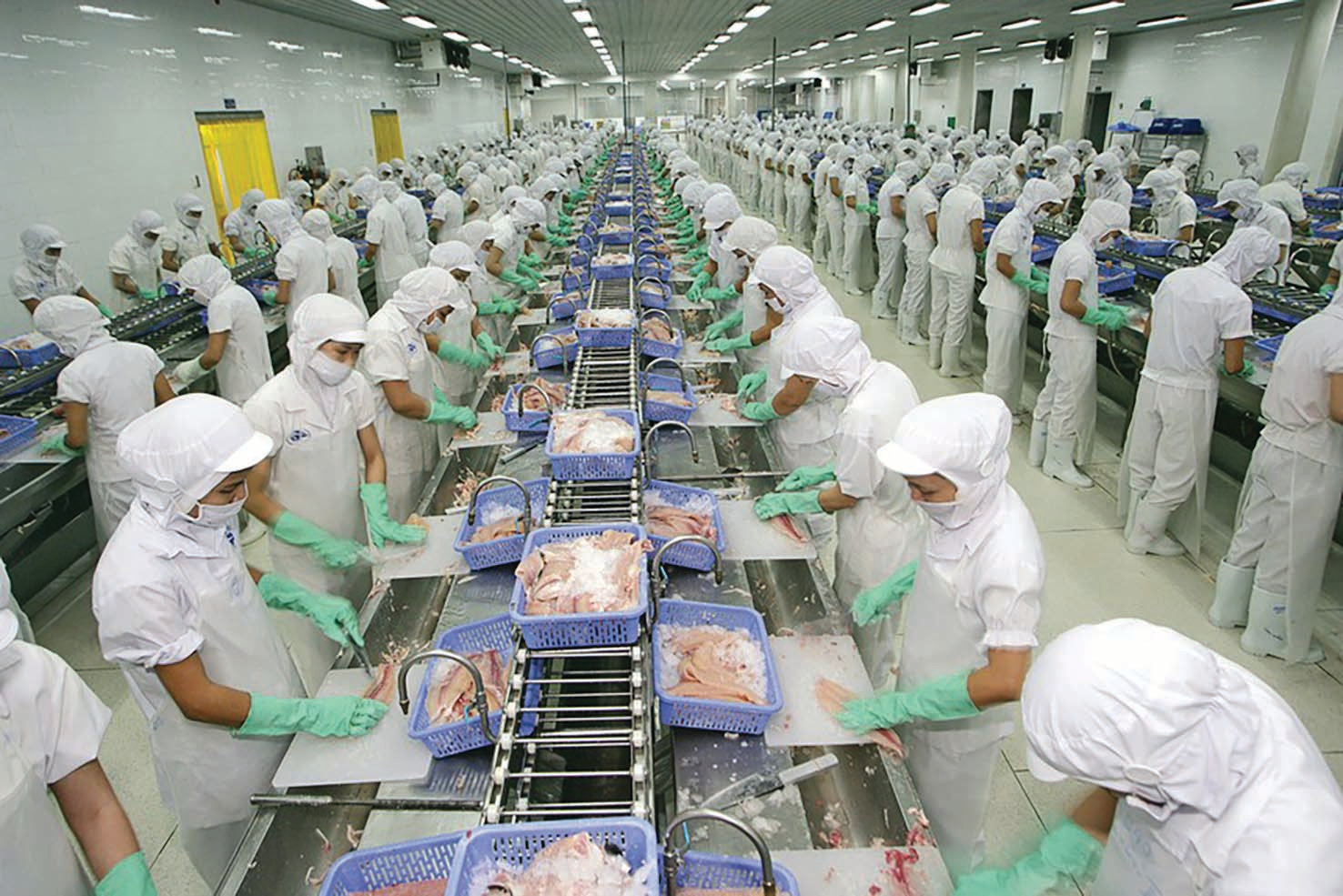
In 2026, VHC aims for consolidated revenue of VND 14,000 billion, a 16% increase, and after-tax profit of VND 1,600 billion, a 13% increase compared to 2025.
Amid rising input costs and increasingly fierce competition in export markets, VHC may face significant challenges in implementing its business plan for 2026.
In 2026, VHC aims for consolidated revenue of VND 14,000 billion, a 16% increase, and after-tax profit of VND 1,600 billion, a 13% increase compared to 2025.
Bases for acceleration
According to its Q1 2026 financial statement, VHC recorded consolidated revenue of VND 2,955 billion, up nearly 12% compared to the same period last year. Notably, after-tax profit reached VND 285 billion, up 35% compared to the same period last year.
This result can be attributed to several positive factors, including improved profit margins, strong growth in financial revenue, and especially the recovery of the US export market. After 1Q26, VHC has completed approximately 21% of its annual revenue target, laying the foundation for accelerated growth in the remaining months of the year.
Revenue from the pangasius segment increased by 14.2% year-on-year, accounting for approximately 55% of total consolidated revenue. Meanwhile, new business sectors are also showing positive signs. The collagen segment achieved revenue of VND 198 billion, a 21.5% increase compared to the same period last year. VHC's subsidiary, Sa Giang, is also gradually expanding its scale, increasing its contribution to VHC’s business performance.
Growth driven by key pillars
According to a report by VASEP, the purchase price of pangasius raw materials in the Mekong Delta region remained very high, about over 30,000 VND/kg in 1H26, indicating that purchasing power in key markets is recovering. In addition, reduced fishing quotas, along with international sanctions, have pushed prices of products such as cod and pollock to record highs, keeping export pangasius prices stable. This is very beneficial for seafood export and businesses, such as VHC…
As a result, VHC's core business segments have maintained their growth. Revenue from the pangasius segment recovered thanks to a rebound in export after being affected by the US tariffs. In addition, the pangasius segment maintains a competitive advantage over many other whitefish, allowing VHC to benefit from the growing consumer preference for affordable seafood in the US and EU.
VHC is one of Vietnam's largest pangasius exporters, with key markets including the US, EU, and China. VHC accounts for approximately 45% of pangasius consumption in the US. This is a significant advantage that helps this company retain export orders in high-margin markets.
Meanwhile, the collagen segment is currently driving long-term growth for VHC. This is a high-margin segment that benefits from the long-term demand for healthcare, cosmetics, and dietary supplements.
To maintain the growth of its core business segments in 2026, VHC plans to invest VND 1,520 billion, including investment in new factories and equipment for collagen products; investment in equipment for the Thanh Ngoc fruit processing plant; investment in a new feed production line at the Feed One aquatic feed plant; upgrading the Sa Giang plant; investment in the production and processing of Hoan Ngoc agricultural food products and expanding the farming area; and renovation of the Vinh Phuoc, Thanh Binh, and Vinh Hoan plants.
A significant challenge ahead
At the recent Annual General Meeting of Shareholders, Ms. Nguyen Ngo Vi Tam, General Director of VHC, stated that the pangasius industry continues to face significant pressure, primarily from escalating raw material and feed costs. This poses a major challenge for many firms in 2026. In this context, VHC has identified its focus as developing pangasius breeding, while also implementing other projects for species such as tilapia and imported marine fish.
Regarding the consumer market, Ms. Tam stated that China is not a priority market, but the company still develops a suitable pricing strategy to maintain business operations. In addition, it continues to expand its customer base and increase value from the European market.
Sharing the challenges at the end of this year, VHC's management board stated that input costs continue to rise, putting pressure on production costs. The shortage of fingerling fish, coupled with low fish inventory, forces VHC to purchase additional raw materials at higher prices, significantly impacting profit margins. Because VHC only self-supplies about 65% of its raw materials. Furthermore, VHC is facing fierce price competition in the US market, especially since many other exporters benefit from a 0% anti-dumping duty rate...
Against this backdrop, VHC proactively adjusted its pricing strategy to expand its export market and offset the increased costs. Therefore, the strategy of self-sufficiency in raw materials and focusing on its core business continues to be identified as the right direction, helping VHC optimize costs to achieve the growth targets set by its General Meeting of Shareholders.
Author: NGOC ANH
RECOMMENDED TOPICS