VN
VN
 EN
EN
21/07/2026, 10:30
Investment
A new dynamic for IPOs
Bond and currency markets have been dominated by the fallout from the conflict in Iran so far this year. But if the first half of the year proves to be all about the Middle East conflict, the second half could all be about the IPOs.
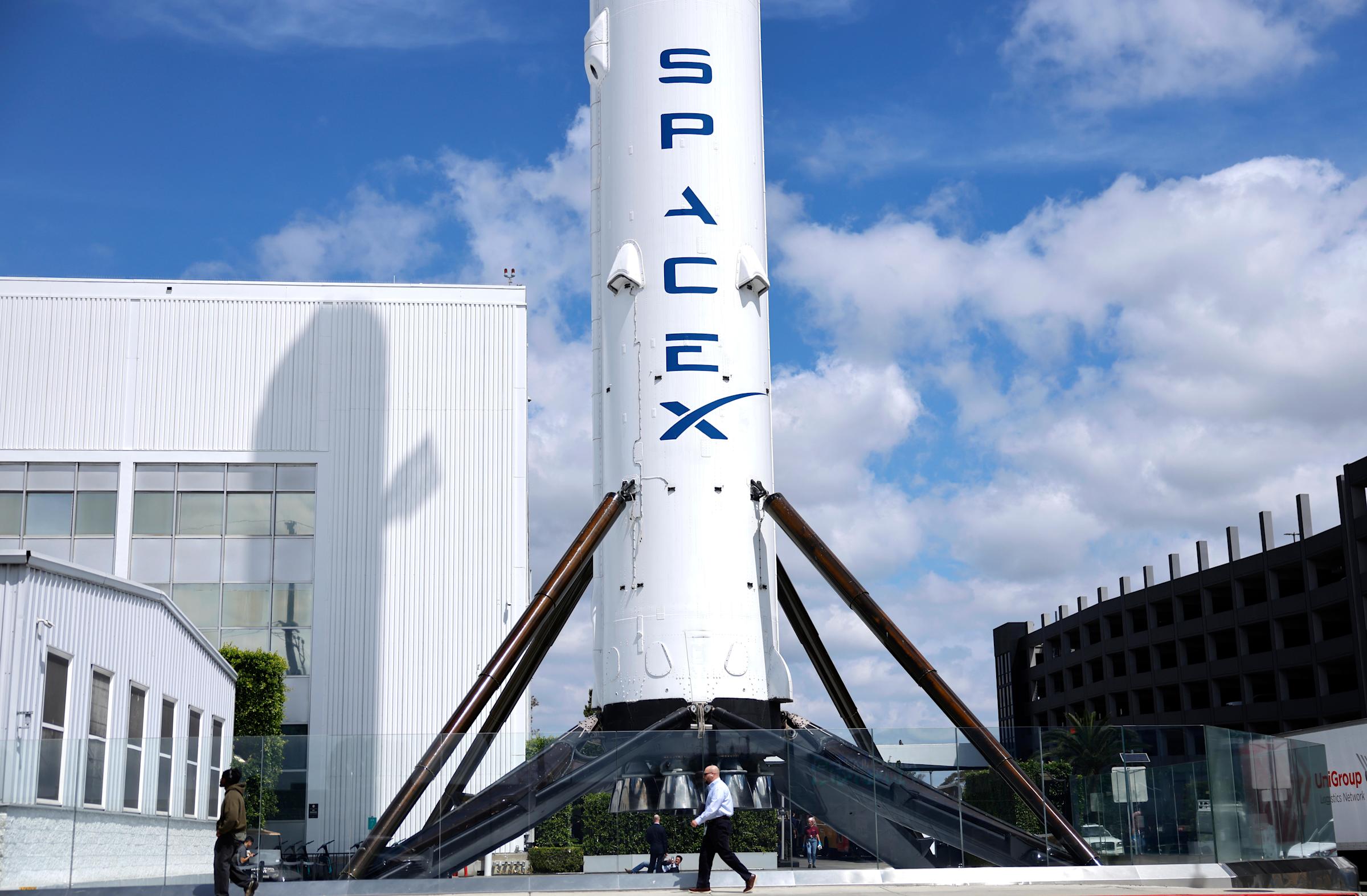
This year will see huge IPOs from SpaceX, Anthropic, and OpenAI.
In addition to a secondary issuance of around USD 80 billion by Alphabet, this year should see huge IPOs from SpaceX, Anthropic, and OpenAI. Any one of these three could raise more cash than was seen across all US companies last year. And it is not as if 2025 was a bad year for IPOs.
In short, the amounts being considered are huge, and that's clearly going to exercise the minds of equity investors in the coming weeks and months. But what about currencies and bonds; could these be impacted too? Perhaps the first thing to say is that hefty IPOs this year will likely mean a net supply of stock. In most ‘normal' years things like buybacks exceed IPOs, and we have a situation where equity is taken out of the market.
However, Steven Barrow, head strategist of the Standard Bank, said the coming months would be likely to be different, and it is worth noting that those rare instances when there has been net equity supply have tended to coincide with a degree of weakness in the stock market. Of course, history might be a bad guide here.
AI mania may prove so strong that all three IPOs, if they occur, fly out of the door with little, or no, damage to equities. But clearly, if we want to think about the possible impact on currencies and bonds, we need to think about a scenario in which the equity market chokes on the supply, leading to notable equity market weakness and a spillover to currencies and bonds.
On this note, it is unclear how bonds and stocks might react if equity markets choke on the supply. If we think about currencies, a swift fall in equities resulting from poorly received IPOs might be expected to create a ‘risk-off' bias and so work in the US dollar's favor as the global safe asset.
However, the US dollar—like treasuries—has not been acting as a very good safe asset over the past year or more. That might be down to the fact that any risk-off episodes have been driven by the US, such as the tariff tantrum last April or the more recent conflict in Iran. This suggests that if the US’s actions result in the global turmoil, the US dollar—and treasuries—might not gain in the usual safe-asset way. But it is not just the broader equity market reaction to the IPOs to consider here. Quite obviously, as far as treasuries are concerned, there is also the issue that such huge IPOs could suck cash out of other assets. Now clearly the bulk of these assets will probably be other equities.
What if allocations to fixed income are pared to make space for the IPOs? In that case, the deluge of equity supply could drain treasury demand and lead to higher yields, and this could happen irrespective of the success of the IPOs. On a similar theme, there is also the issue that such huge IPOs could suck in capital from abroad as foreign investors try to get a piece of the action. And clearly if US dollars have to be raised to fund the purchases, this could lift the value of the US dollar if the purchases are conducted on an unhedged basis.
The problem with this argument for US dollar strength is the usual one that the FX market is so huge that even an IPO-driven rise in US dollar demand won't be noticed. Usually, such equity-driven flows pass off without incidence in the FX market. And, if they do have an impact, it tends to be temporary and constrained to low-volume currencies, not the US dollar.
Besides, all this assumes that overseas investors will demand a large chunk of the IPOs and that the US dollars are not on hand to fund the purchases, both of which seem unlikely. Instead, Steven Barrow said that any dollar response to the IPOs would come from the general perception of their success or failure, not from any transactions required to facilitate purchases by overseas investors. The same might be true for government bonds as well given the hefty treasury market trading volumes relative to the amount of cash that might be diverted from bonds to the IPOs. Nonetheless, we should not totally dismiss the ability of these IPOs to cause ructions as far away as bonds and currencies.
Author: NGOC ANH
RECOMMENDED TOPICS