VN
VN
 EN
EN
26/07/2026, 02:00
Investment
Bac Ninh Industrial Zones Authority: A solid fulcrum for improved investment climate
With the motto “The success of enterprises is the success of the province,” the Bac Ninh Industrial Zones Authority has been affirming its key role in creating a transparent and modern business environment.
In an interview with Business Forum, Mr. Dinh Nam Thang, Deputy Head of the Bac Ninh Industrial Zones Authority, stated that the province’s strong implementation of the “24-hour green lane” mechanism and the reduction of up to 60% in administrative procedures is not merely a record figure but a firm commitment to a service-orientated government that accompanies investors.

Administrative Reform: From “Command” to “Service”
According to Mr. Thang, Bac Ninh has consistently ranked among the top provinces nationwide in attracting foreign direct investment (FDI). To maintain this attractiveness amid increasingly limited land resources and intensifying inter-provincial competition, the Authority has identified administrative reform as a “master key".
The most notable highlight in this reform process is the operation of the 24-hour green lane mechanism. This priority process is applied to urgent projects, high-tech investments, or capital expansion projects. Accordingly, within 24 hours of receiving valid documentation, key decisions are issued.
Meanwhile, the “60% green lane” shortens processing time by up to 60% compared to previous regulations. Projects that once required around 60 days can now be completed in just over 20 days.
All investment applications are processed on time or ahead of schedule. The time required to issue investment registration certificates has been reduced from 15 days to 10 days. In practice, many applications are handled within 3–5 days, and even within one day for simpler cases.
Thanks to these mechanisms, procedures for key projects have been shortened by up to 60%. Speed has become the greatest competitive advantage Bac Ninh offers investors in the digital era, delivering tangible results that are highly appreciated by the business community.
Secondly, the entire process has been digitized and made transparent. Enterprises can track their applications online, minimizing travel and direct contact, thereby reducing both costs and time.
Thirdly, the province has publicised hotlines, established support teams, and strengthened inter-agency coordination, enabling faster and more accountable resolution of business concerns.
Administrative reform indices, particularly those measuring service quality for citizens and businesses in electronic administrative procedures, have consistently ranked among the highest nationwide.
It can be affirmed that the “green lane” mechanism, together with digital systems, has created an investment environment that is open, professional, and transparent. Combined with a friendly and supportive government and community, this is a key reason why many FDI enterprises continue to choose Bac Ninh for both initial and expanded investments.
In addition, Bac Ninh has implemented a range of synchronized policies, including:
Significant investment in infrastructure development, especially transport connectivity linking Bac Ninh with neighboring provinces and key northern economic zones; acceleration of industrial park infrastructure construction, with notable zones such as Yen Phong, VSIP Bac Ninh, Van Trung, Quang Chau, Hoa Phu, and Gia Binh II.
Full application of tax incentives and land rental policies for investment projects; enhanced investment promotion and proactive engagement with strategic investors; and consistent government support to promptly resolve business challenges during operations.
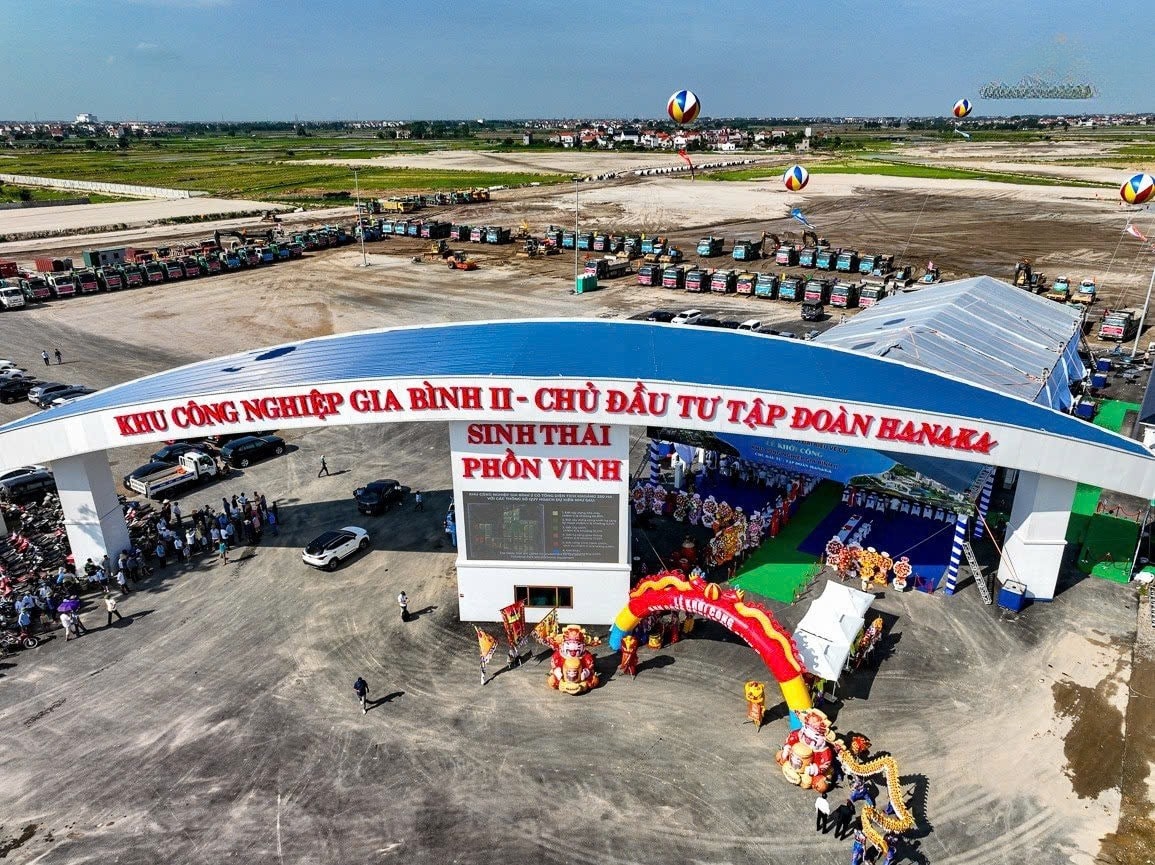
Bac Ninh’s current position is not only the result of its favorable geographic location but also of its spirit of innovation and dedicated public service,
Accompanying Enterprises: No Distance, No Barriers
The support provided by the Bac Ninh Industrial Zones Authority extends beyond licensing, covering the entire lifecycle of projects. From the initial investment exploration phase, officials act as dedicated "consultants", helping enterprises align with planning, select appropriate locations, and understand legal requirements.
The Authority regularly organizes direct dialogues and quarterly meetings to listen to investors’ concerns and expectations. Bottlenecks related to transport infrastructure, electricity supply, or worker housing are addressed decisively.
In particular, as environmental and fire safety regulations become increasingly stringent, the Authority has proactively coordinated with relevant agencies to guide and support enterprises in compliance rather than focusing solely on inspection and penalties. This “support first, inspect later” approach has built strong trust among both domestic and foreign investors.
Digital Transformation: A Driver for the Next Phase
Entering the 2026–2030 period, the Authority has identified digital transformation as a strategic priority. The deployment of smart industrial zone data management systems—allowing enterprises to track application progress in real time and submit documents fully online—is being accelerated.
Investment support chatbots and multilingual portals (English, Korean, Chinese, Japanese) have helped bridge the gap between authorities and international investors. Digital transformation is not only about efficiency but also about transparency, eliminating informal costs and creating a level playing field for all businesses.
Despite significant achievements, Bac Ninh still faces several challenges:
Pressure on transport and urban infrastructure due to rapid industrialization; workforce quantity and quality not yet fully meeting the needs of high-tech industries; increasingly intense competition for FDI from other localities; and rising land lease costs.
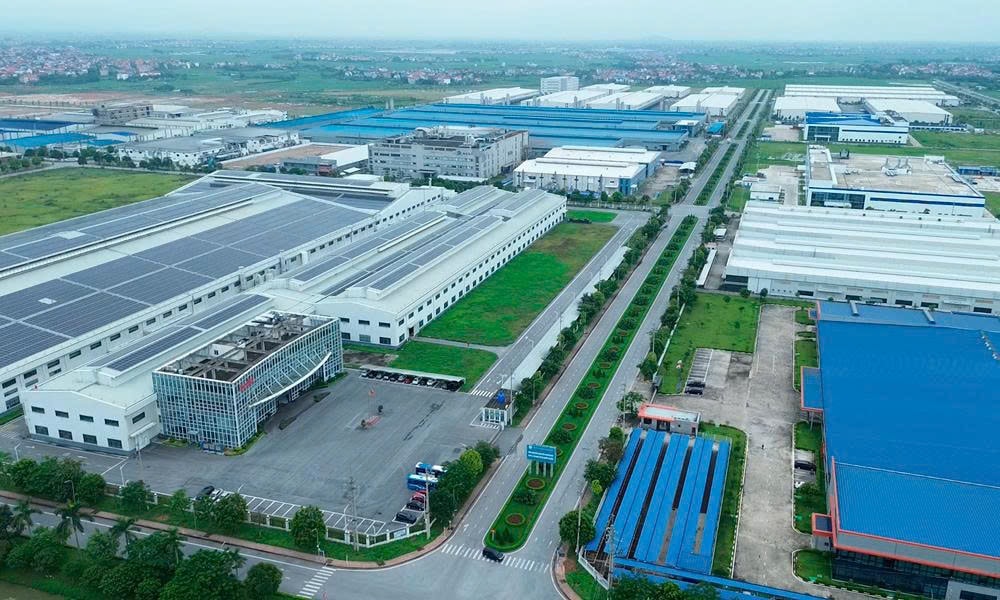
The support provided by the Bac Ninh Industrial Zones Authority extends beyond licensing, covering the entire lifecycle of projects.
To maintain its position as a “top destination,” the Authority has proposed several recommendations to provincial and central authorities to further improve the investment environment:
On social infrastructure, there is a need for special mechanisms to attract investment in social housing and cultural facilities within industrial zones to retain high-quality labor.
On workforce development, stronger linkages between industrial enterprises and universities and colleges are required to train human resources aligned with Industry 4.0 standards.
Bac Ninh’s current position is not only the result of its favorable geographic location but also of its spirit of innovation and dedicated public service, with the Industrial Zones Authority playing the role of a “conductor.” With the 24-hour green lane mechanism and tangible commitments to support enterprises, the Authority is continuing to write a success story, driving the province toward becoming a centrally governed city, a modern smart urban area, a major industrial and cultural hub, and a “golden gateway” in the Northeast—aiming to achieve these goals before 2030, Mr. Thang emphasized.
Author: KIM DUNG - VU PHUONG (Dang Truong translates)
RELATED TOPICS
RECOMMENDED TOPICS