VN
VN
 EN
EN
25/07/2026, 02:38
Investment
Bac Ninh: Many tax incentives to attract investment into industrial parks
Tax policies play a key role in enhancing the attractiveness of Bac Ninh’s investment environment, while also creating distinctive competitive advantages compared to many other localities.
Tax policy as a strategic “lever” in the industrial investment ecosystem
Amid increasingly selective global investment flows, Bac Ninh is asserting its position not only through modern infrastructure but also through a highly effective “soft weapon”: tax policies that are transparent, flexible, and business-centric.
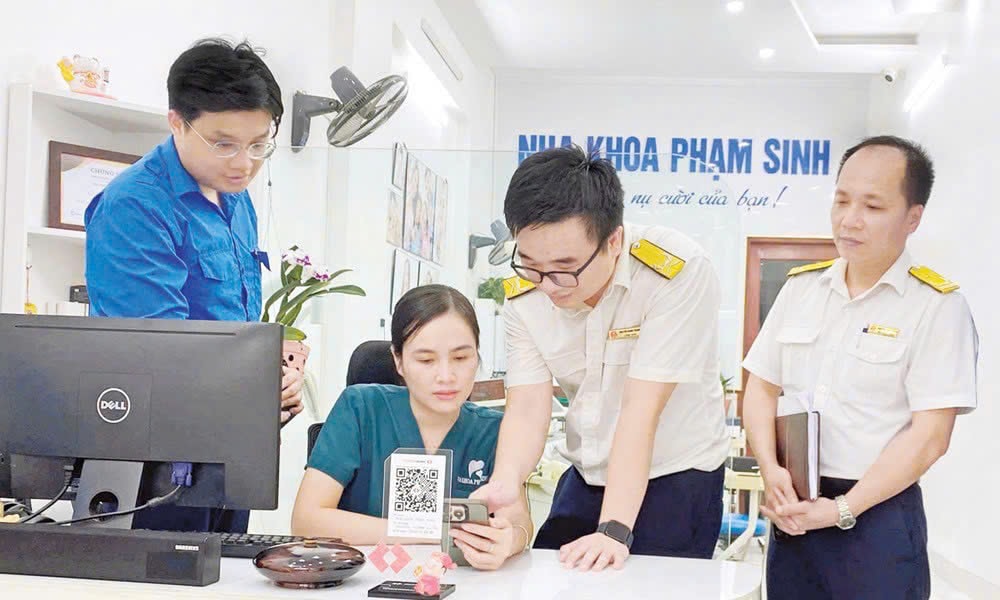 The provincial Tax Department established a task force to support household businesses in installing the eTax Mobile application in 2025.
Mr. Dinh Cong Tien, Head of the Bac Ninh Tax Department, affirmed that the tax sector has moved beyond its traditional administrative role to become a “strategic partner”, a dedicated cultivator nurturing businesses to grow and thrive. Guided by the principle of “taking business satisfaction as the measure of service effectiveness,” the Bac Ninh tax sector has undergone a strong transformation from a control-oriented mindset to a service-oriented approach, building solid trust among both domestic and foreign investors.
This shift is not merely a slogan. It has been translated into action through three key pillars:
First, we focus on implementing incentive packages in a targeted and effective manner. Bac Ninh is characterized by a high concentration of large-scale projects in high-tech and supporting industries. Accordingly, the provincial tax authority has proactively aligned with central policy frameworks to guide businesses in maximizing their benefits, including corporate income tax (CIT) exemptions and reductions, as well as import duty incentives on machinery and equipment. Major corporations such as Samsung and Canon serve as the most vivid examples. Their continued expansion in Bac Ninh demonstrates that these tax incentives have effectively helped reduce initial investment costs, thereby optimizing profits and enabling sustainable reinvestment.
Second, flexibility and predictability in policy. Amid global economic volatility, we proactively analyze the impacts of tax policies (such as the Global Minimum Tax) to advise the province and guide businesses in making necessary preparations. The stability and predictability of tax policies in Bac Ninh serve as a source of “confidence”, enabling investors to plan their long-term strategies with assurance.
Third, inter-agency coordination. We do not operate in isolation. The provincial tax authority has strengthened close coordination with the Industrial Zones Management Board and the Department of Finance to create a “closed-loop process”, from the moment businesses begin exploring investment opportunities through their entire course of operation. Any tax-related issues are addressed as quickly as possible to ensure that production flows remain uninterrupted.
In addition, a notable highlight of Bac Ninh’s tax policy is the synchronized combination of incentives and administrative reform, reflected in simplified procedures, shorter processing times, and the strong application of information technology in tax administration, filing, and e-payment. This not only helps reduce compliance costs for businesses but also enhances transparency, stability, and predictability of the policy framework, thereby strengthening investor confidence in long-term strategic planning.
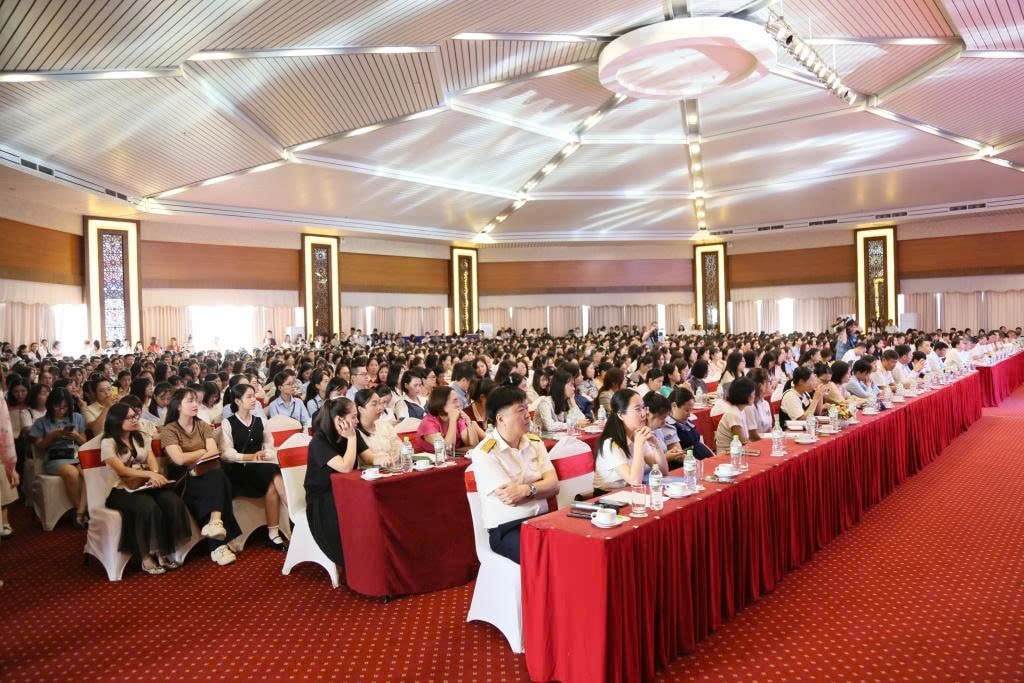 The Bac Ninh Tax Department held direct dialogues with more than 800 businesses and taxpayers.
Thanks to a flexible, consistent, and genuinely business-supportive approach, tax policy has become a key instrument in shaping Bac Ninh’s investment environment into one that is professional, business-friendly, and highly competitive, reinforcing the province’s prominent position in attracting investment for sustainable socio-economic development.
As a result, the tax sector’s role as a companion to businesses has been increasingly reinforced, contributing to higher taxpayer satisfaction and promoting the sustainable development of the local business community.
Amid Bac Ninh’s sustained pace of industrialization, serving as a hub for electronics manufacturing and processing and manufacturing industries in the Northern Key Economic Region, tax policy plays a role as an effective instrument for regulating and guiding investment.
The consistent implementation of tax incentives for high-tech sectors, supporting industries, and large-scale FDI projects has helped lower market entry costs, creating momentum for multinational corporations to establish and expand their production chains in the locality.
At the same time, the stability and transparency of tax policies enhance businesses’ ability to forecast and take a proactive approach in their long-term investment strategies. In addition, tax administrative reforms associated with digital transformation have significantly reduced compliance costs, particularly for small and medium-sized enterprises, thereby encouraging the development of the private sector.
It can be seen that, as industrial land becomes increasingly limited and competition among localities to attract investment intensifies, tax policy is not only a financial support tool but also a factor in creating sustainable competitive advantages, contributing to business development and improving the quality of economic growth in Bac Ninh.
I propose that the Central Government establish clear and transparent institutional frameworks, particularly by decentralizing authority to enable localities to proactively resolve difficulties for businesses. Regarding land, policies should facilitate access to land use, especially under the two-tier local government model, so that businesses and citizens can expand production and business activities through leasing premises. In addition, local authorities should provide guidance to citizens on digital transformation initiatives.
Business perspective on the support of the Bac Ninh Tax Department
From a business perspective, the relationship between the tax sector and enterprises in Bac Ninh is likened to that between a cultivator and a harvester. Mr. Man Ngoc Anh, Chairman of the Board of Directors of Hanaka Group JSC, shared: “Businesses are the trees, and the tax sector is the fruit picker. To harvest sweet fruit, the picker cannot simply wait but must nurture and cultivate”. When businesses are supported and enabled to grow, state budget revenues will naturally become more sustainable. At that point, the relationship between the State and enterprises evolves into one of partnership and shared development.
 The Hanaka Paris Ocean Park project is located within the Bac Tu Son urban area.
This is a humane and highly practical philosophy. When the State does not “stifle” businesses but instead creates conditions for them to grow and overcome administrative barriers, state budget revenues will naturally become more sustainable. Hanaka’s journey from manufacturing electrical equipment to industrial real estate and supporting industries stands as clear evidence of development built on a foundation of discipline and close support from the authorities.
In Bac Ninh, the governing spirit of “no days off, work may end for the day, but the job does not” has inspired entrepreneurs to think boldly and act decisively. The authorities do not stand on the sidelines but proactively resolve difficulties, enabling businesses to confidently innovate and create value for society, Mr. Ngoc Anh said.
A notable highlight of Bac Ninh’s tax policy is the synchronized combination of financial incentives and administrative reform. The simplification of procedures, shorter processing times, and the strong application of information technology have significantly reduced compliance costs for businesses.
The reality at Bac Giang LGG Garment Corporation JSC provides clear evidence of this. Mr. Nguyen Van Tu, Deputy General Director of the company, shared that LGG processes VAT refunds on a quarterly basis. Currently, thanks to digitalization, although the tax authority conducts more thorough inspections, overall efficiency has improved. Previously, refunds were processed first with post-audits; now the process is more rigorous, but digitalization ensures greater accuracy in refunds. Following the restructuring of the tax sector, the application of advanced technology has made procedures more convenient, services more transparent, and online processing more effective, with VAT refunds handled in a clearer and more efficient manner.
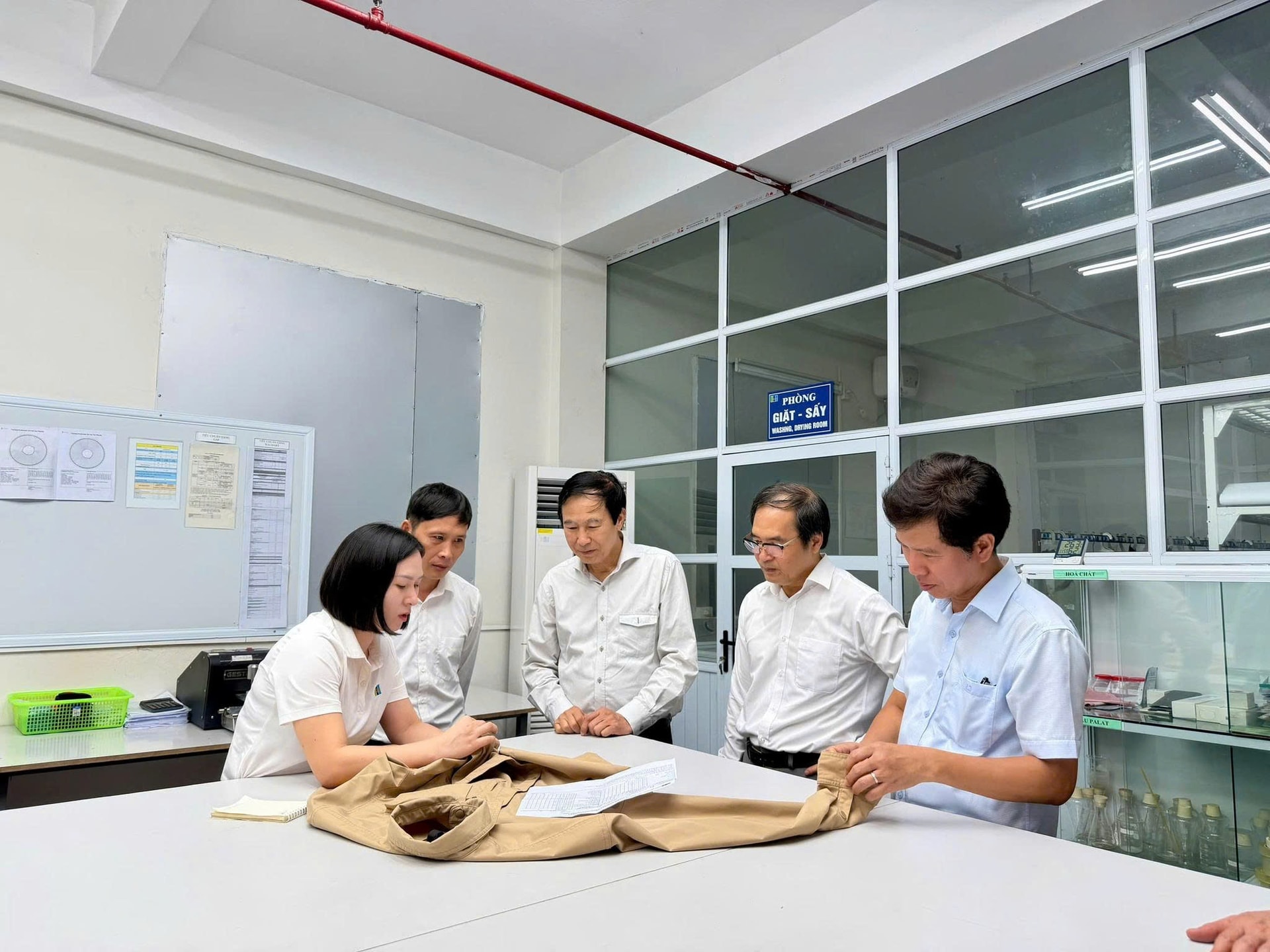 On April 7, 2026, Bac Giang LGG Garment Corporation JSC had the honor of welcoming the National Quality Award appraisal council delegation for a working visit and on-site evaluation at the company.
Notably, the organization of online tax finalization sessions via social media (Facebook) is a highly modern initiative. Chief Accountant Hoang Thi Minh Tuan at LGG said that businesses can raise questions and receive direct guidance on corporate income tax (CIT) and personal income tax (PIT) right on the online forum.
In addition, the eTax Mobile application provides an intuitive interface, enabling employees and businesses to monitor their tax obligations quickly and transparently. This is a key step toward realizing digital government, where all transactions are conducted on a foundation of trust and accurate data.
It can be seen that tax policies in Bac Ninh’s industrial parks are no longer merely financial tools but have become a factor in creating sustainable competitive advantages, helping to reduce market entry costs for major investors.
With a flexible and genuinely supportive approach, the Bac Ninh tax sector has been affirming its role as a trusted companion to businesses. This serves as a foundation for Bac Ninh to continue accelerating, reinforcing its prominent position in attracting FDI and promoting sustainable socio-economic development in the future.
Author: KIM DUNG (THANH TRA translates)
RECOMMENDED TOPICS