VN
VN
 EN
EN
17/07/2026, 02:38
Legal environment
Decree 243/2026/NĐ-CP: Untying procedures, paving the way for renewable energy
The Decree No. 243/2026/ND-CP has expanded power purchasing opportunities for large electricity-consuming enterprises and created favorable conditions for the development of self-produced, self-consumed rooftop solar power.
Expanding opportunities to access renewable energy
The issuance of Decree 243/2026/ND-CP on June 26, 2026, amending regulations on Direct Power Purchase Agreements (DPPA) and renewable energy development, is a timely adjustment by the Government. These changes help directly resolve obstacles arising in the practical implementation process of enterprises. This will serve as the basis for perfecting the legal framework for the renewable energy market, expanding opportunities to access green electricity for the business community, especially large electricity-consuming factories in industrial parks.
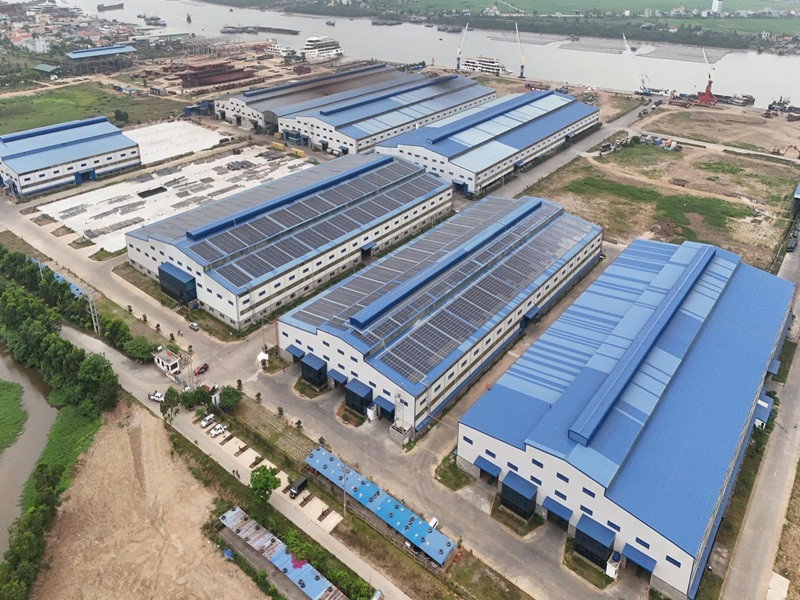
Many manufacturing enterprises are waiting for specific technical guidelines to purchase electricity under the DPPA mechanism via the national power grid.
Mr. Doan Van Long – Director of Vietnam EPC Solar Power JSC (EPC Solar) – said: Compared to Decree 58/2025/ND-CP issued on March 3, 2025, Decree 243/2026/ND-CP (Decree 243) clearly demonstrates a trend of simplifying administrative procedures, expanding development space, and classifying power sources based on grid connection voltage levels rather than primarily relying on capacity thresholds. Accordingly, power sources connected to low-voltage grids are subject to simpler procedures; in most cases, they only require notification without submitting dossiers. Only cases involving connections to medium-voltage grids and selling excess electricity need permission from relevant departments.
"This new adjustment has helped reduce project preparation time, limited situations where dossiers have to go through many focal points, and is more suitable for the actual impact level of each power source on the grid. This is considered an important adjustment step to resolve obstacles arising during practical implementation, while also creating more favorable conditions for people and businesses investing in solar power to serve on-site electricity consumption needs," Mr. Long emphasized.
Another notable new point, according to Mr. Long, is that Decree 243 clarifies the scope of solar power development, the connection mechanism, and the role of private power grids, especially in industrial parks, economic zones, export processing zones, and zone/cluster models. In addition, Decree 243/2026/NĐ-CP also specifies regulations on Zero-Export (anti-reverse power flow) devices, allowing flexible management of power generation capacity to the grid according to the system's operational requirements.
Manufacturing enterprises proactively update
Regarding implementation, Ms. Tran Thuy Tien - Director of Market Development and External Relations of Constant Energy, assessed that the most notable point of Decree 243/2026/NĐ-CP is the expansion of the DPPA mechanism's application scope, supplementing regulations for electricity retailers in industrial parks, export processing zones, economic zones, industrial clusters, and high-tech parks. At the same time, the decree clarifies the responsibilities of participating entities, implementation processes, coordination mechanisms, and transitional provisions for contracts signed before the decree takes effect. These amendments contribute to creating a more transparent legal corridor, making the implementation of the direct power purchase mechanism more convenient and unified in practice.
For investors, perfecting the legal framework also contributes to reducing risks during project implementation, creating confidence for long-term investment decisions in solar power, wind power, and energy storage solutions.
To fully leverage these incentives, for ongoing projects, enterprises need to proactively review the conditions for participating in the DPPA mechanism, transaction models, power purchase agreements, connection processes, reporting responsibilities, as well as transitional provisions to ensure compliance with the new legal framework. Timely updating and adjusting not only help enterprises limit legal risks but also create conditions to better utilize preferential mechanisms and market opportunities.
Promoting DPPA, clear technical guidelines are needed
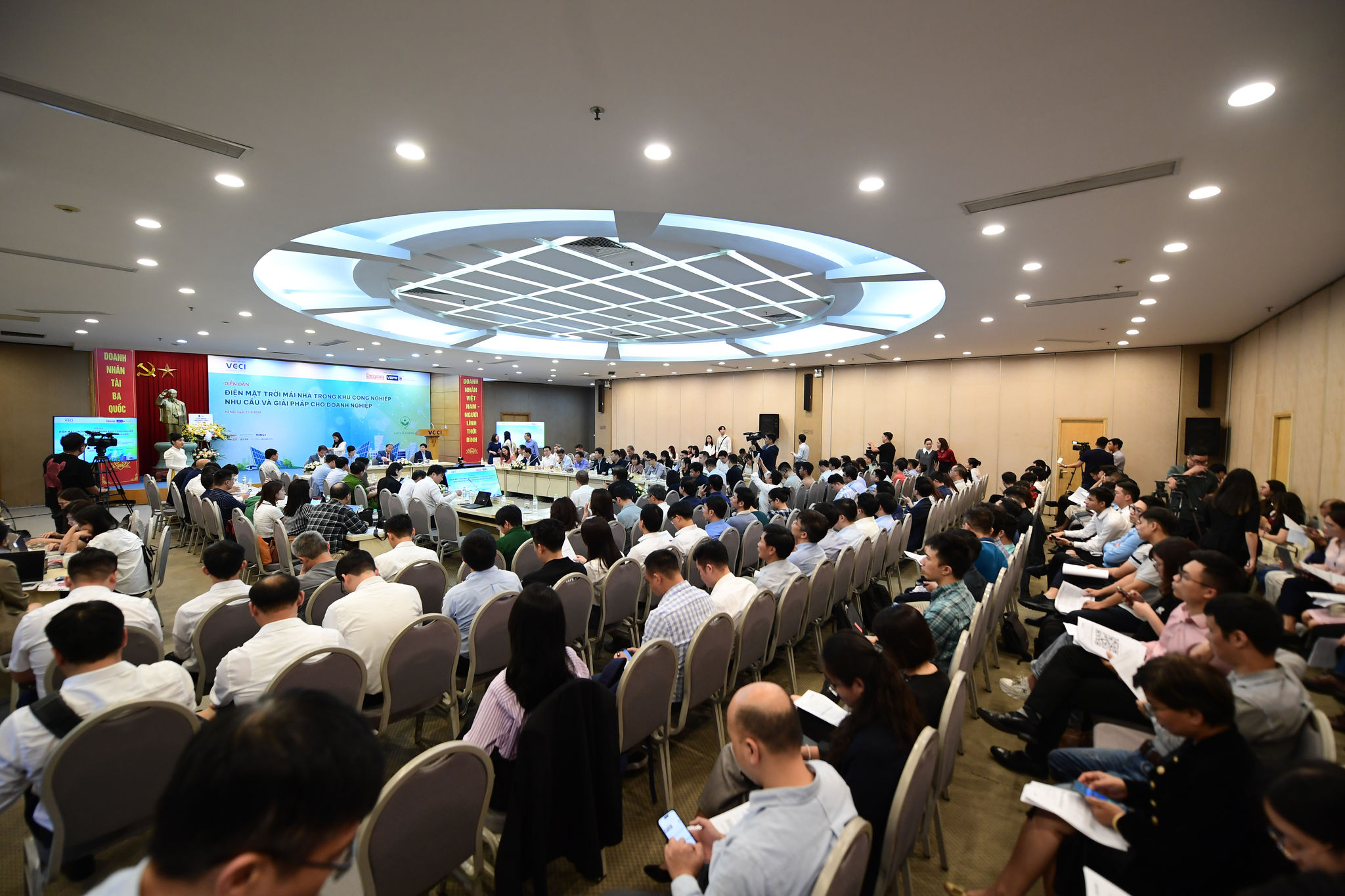
The forum "Perfecting renewable energy & storage policies: A stable green energy foundation for businesses" organized by the Business Forum at VCCI Hall Hanoi, April 2026.
According to Mr. Luong Duy Linh – General Director of VINCI E&C Joint Stock Company (an enterprise operating in consulting, investing, and implementing renewable energy solutions, Battery Energy Storage Systems (BESS), and the DPPA mechanism), Decree 243/2026/NĐ-CP is an important adjustment step that contributes to perfecting the legal corridor for the electricity market and creates more favorable conditions for the development of rooftop solar power in industrial parks.
With experience in consulting and implementing many practical projects, he particularly appreciates that the Decree 243/2026/NĐ-CP clarifies the power purchase mechanism via private connection grids and supplements the role of electricity retailers in zone and cluster models. According to him, clearly defining the responsibilities and coordination deadlines between parties will help enterprises be more proactive in the investment preparation process, shorten implementation time, and put projects into operation early.
Mr. Linh also noted a positive impact of the Decree 243/2026/NĐ-CP that hasn't been mentioned much. Previously, the DPPA mechanism primarily applied to large electricity-consuming customers, meaning many small and medium-sized FDI enterprises in industrial parks lacked the conditions to directly access renewable energy sources. The Decree 243/2026/NĐ-CP's addition of the role of electricity retailers in zone and cluster models has opened up opportunities for secondary enterprises to also access green electricity through the industrial park's electricity retailer.
This is a highly significant change because it broadens green electricity access opportunities for a group of enterprises that previously did not qualify to directly participate in the DPPA mechanism. This not only supports businesses in meeting increasingly strict requirements for renewable energy use, emissions reduction, and carbon traceability in the global supply chain, but also helps industrial parks enhance their competitiveness, better satisfying the demands of international investors who increasingly value ESG criteria and sustainable development.
"What businesses need today is not just investment incentive policies but also the stability and predictability of the legal framework throughout a project's life cycle, which usually lasts about 15–20 years. This is a crucial basis for businesses to evaluate investment efficiency and boldly deploy large-scale energy storage systems," Mr. Linh shared.
Alongside the positive outcomes, Mr. Linh believes there are still some areas that need further perfection for the DPPA mechanism to be highly effective. First is the mechanism for forming electricity prices in direct power purchase agreements towards transparency, stability, and predictability, thereby building trust for long-term investment decisions. Simultaneously, it is necessary to accelerate the roadmap for developing a competitive retail electricity market, perfect the green electricity certification mechanism, and research suitable policies to encourage investment in energy storage systems, meeting the growing energy transition needs of the business community.
From practical project implementation, Mr. Linh also suggested that some technical guidelines need further clarification to ensure unified application. For instance, determining the direct connection voltage level of solar power systems in zones and clusters with private power grids can still lead to different interpretations, while this serves as the basis for determining notification or registration procedures according to regulations. Furthermore, the coordination process, focal points, and deadlines for connecting SCADA systems with the dispatching unit also require more specific guidance.
"When responsibilities, focal points, and timelines are clearly defined, businesses will be more proactive in organizing project implementation, thereby shortening the time to bring projects into operation and early promoting investment efficiency," Mr. Linh proposed.
These assessments all indicate that the Decree 243/2026/NĐ-CP not only removes many obstacles in implementing solar power projects and the DPPA mechanism but also lays a vital foundation for the development of the green electricity market in Vietnam. If the electricity price mechanism continues to be perfected, the competitive retail electricity market is promoted, the green electricity certification mechanism is developed, and appropriate policies are established to encourage investment in energy storage systems, Vietnam will be better positioned to improve the competitiveness of manufacturing enterprises, attract high-quality FDI capital flows, and effectively execute energy transition goals.
Author: PHUONG THANH - TRUONG DANG
RECOMMENDED TOPICS