VN
VN
 EN
EN
23/07/2026, 10:32
Investment
Eximbank begins a new cycle
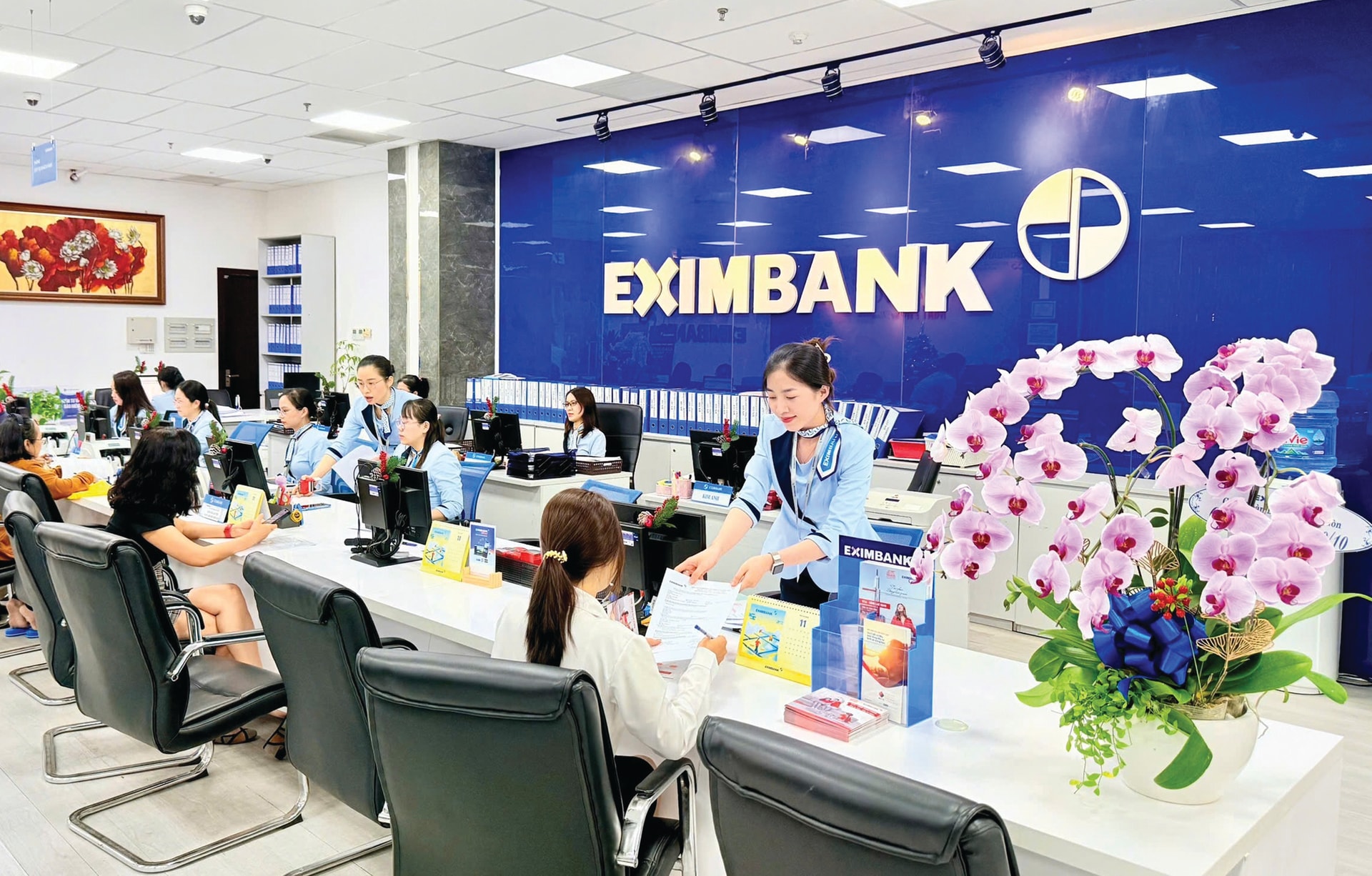
Vietnam Export Import Commercial Joint Stock Bank (Eximbank, HoSE: EIB) has relocated its headquarters from Ho Chi Minh City to Hanoi, marking a significant turning point following recent changes in its shareholder ownership structure.
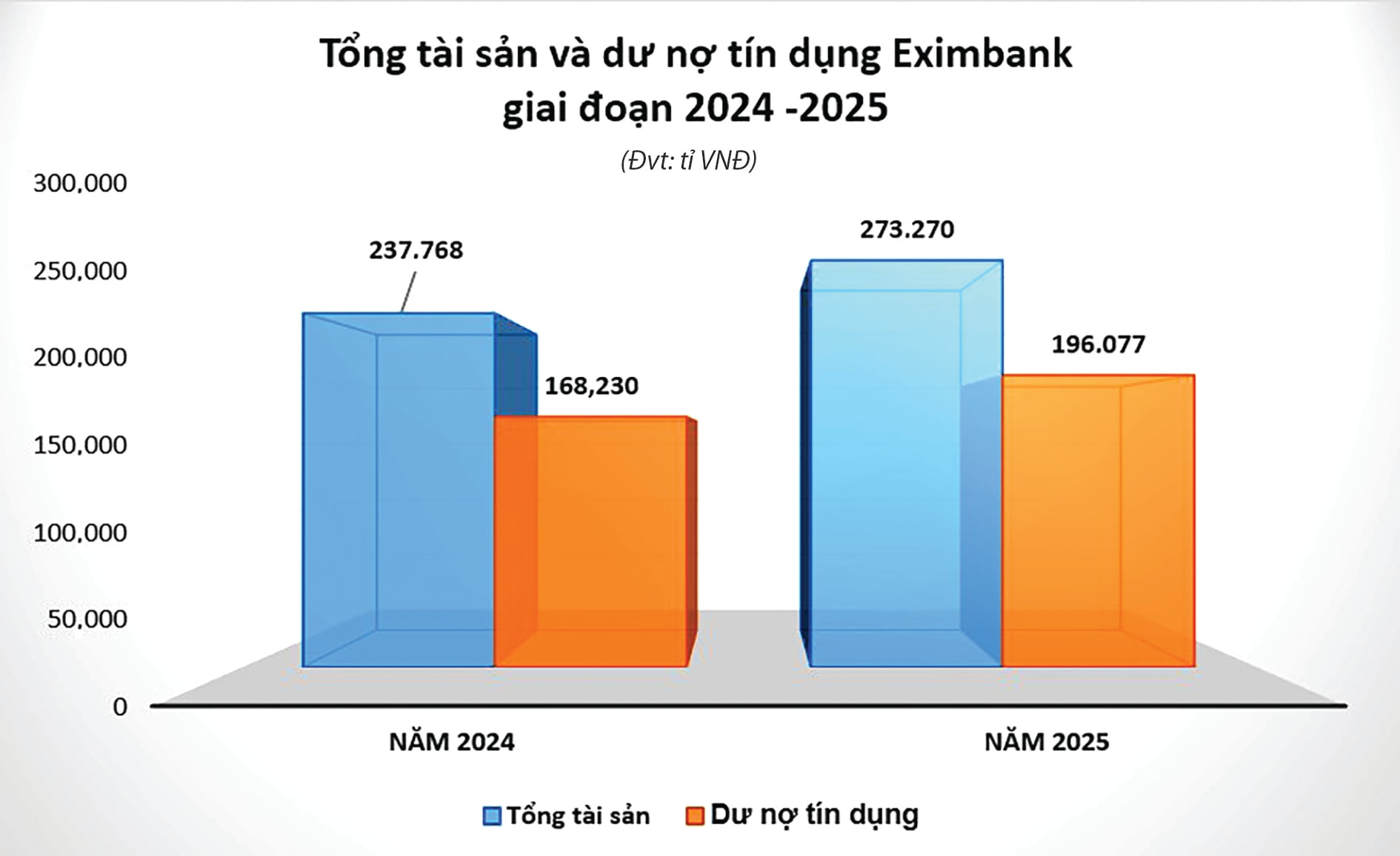
In 2025, the bank reported total pre-tax profit of VND 1.51 trillion, reaching only 29.12% of its annual target. However, total assets, deposits, and outstanding credit all recorded double-digit growth.
A wave of ownership changes and headquarters relocations
Before Eximbank, Vietnam’s banking sector had already seen several institutions undergo shareholder restructuring with the emergence of new major investors. Examples include Lien Viet Post Bank (LPBank, HoSE: LPB), KienlongBank (HoSE: KLB), and Saigon Thuong Tin Commercial Joint Stock Bank (Sacombank, HoSE: STB).
Following the increasing influence of shareholders linked to the Thaigroup ecosystem, LPBank relocated its headquarters to Ninh Binh province. KienlongBank moved its operational headquarters to the Sunshine building at 16 Pham Hung Street in Hanoi—owned by Sunshine Group—although its official registered headquarters remains in Rach Gia, An Giang province.
Sacombank has also recently undergone changes in its shareholder structure. Nguyen Duc Thuy, formerly chairman of LPBank and a major shareholder of LPBS, was appointed chief executive officer. Soon after, the bank launched a new brand identity, announced plans to change its name, and is expected to hold its 2026 annual general meeting of shareholders in Phu Tho province.
Returning to Eximbank, the bank had planned to relocate its headquarters from Ho Chi Minh City to Hanoi since 2024, but the move only became official in early 2026. The relocation marks a decisive shift after more than a decade of turbulence in Eximbank’s shareholder structure, during which different investor groups repeatedly competed for control.
A turning point for a new cycle
Eximbank’s decision to move to Hanoi forms part of the bank’s broader strategic repositioning. In 2024, then-CEO Nguyen Hoang Hai explained that relocating the headquarters after 35 years in Ho Chi Minh City was intended to expand the bank’s national presence, strengthen brand recognition in northern Vietnam, and develop business segments beyond finance—including logistics, infrastructure, and industrial services.
The strategy is also linked to recent changes in the bank’s shareholder base. Major shareholders now include Gelex (10%), VIX Securities (3.64%), Vietcombank (4.51%), and three individual investors. Their influence is expected to bring stronger integration with broader corporate ecosystems and potentially unlock new growth opportunities.
Eximbank has also undergone leadership changes. Four members of the bank’s Board of Directors for the 2025–2030 term and four members of the Supervisory Board resigned earlier this year, according to disclosures released on February 13, 2026. These changes signal a broader restructuring phase involving both organizational systems and senior management.
The bank has outlined a reconstruction strategy built on three core pillars: a customer-centric business strategy, a comprehensive risk management framework, and a new human resources governance strategy.
Through these initiatives, Eximbank aims to implement a new strategic phase of transformation—strengthening its position and building a modern, secure, and integrated financial ecosystem.
Balancing restructuring with growth
The headquarters relocation is gradually shaping the outline of this broader ecosystem strategy, while the bank continues to rely on the foundation built over more than three decades in Ho Chi Minh City and other key markets.
However, Eximbank still faces immediate challenges. While management appears focused on expanding scale and strengthening risk control—reflected in the bank’s 2025 financial indicators—it will also need to accelerate operational performance to deliver profit growth that better matches its expansion.
In any transformation process, the costs of addressing internal constraints and restructuring legacy systems are inevitable. Slowing down temporarily to remove structural obstacles before accelerating into a new growth phase may be necessary at the beginning of a new governance cycle.
A similar pattern can be seen elsewhere in the banking sector. Sacombank’s 2025 financial results, which showed a sharp rise in bad debts, initially surprised investors but were also interpreted as part of a broader restructuring phase that could support stronger performance in the future.
Investors are therefore looking forward to seeing the emergence of a renewed Eximbank—one capable of achieving comprehensive transformation while delivering stable and sustainable profit growth in the years ahead.
Author: LE MY - TRUONG DANG
RELATED TOPICS
RECOMMENDED TOPICS