VN
VN
 EN
EN
26/07/2026, 02:00
Investment
FMC faces tariff pressures
Despite posting positive business results in 2025, Sao Ta Foods JSC (HoSE: FMC) may face a number of challenges in 2026.
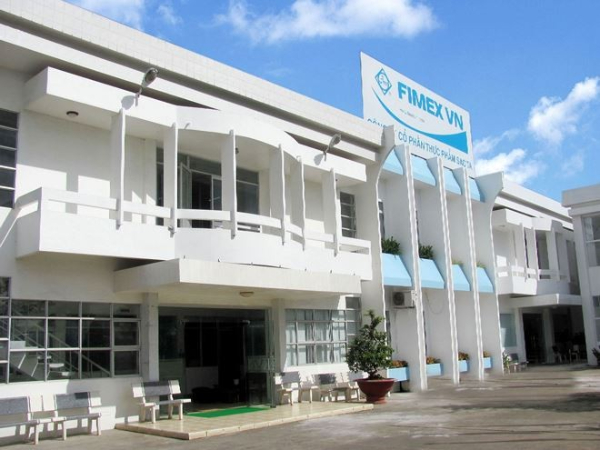
The biggest challenge comes from the U.S. market, which accounts for nearly 50% of FMC’s revenue. Vietnamese shrimp are subject to high anti-dumping and countervailing duties, while progress in diversifying export markets remains limited.
Core business remains resilient
According to its 2025 preliminary report, FMC recorded business results exceeding its targets, despite continued tariff pressures in global seafood export markets. Full-year 2025 revenue is estimated at approximately VND 7.9 trillion, up nearly 20% year on year, while pre-tax profit reached around VND 420 billion, meeting the profit target approved by the General Meeting of Shareholders at the beginning of 2025.
Previously, FMC had set a conservative plan with consolidated net revenue of VND 6.54 trillion, lower than in 2024, and pre-tax profit expected to remain at around VND 420 billion. Actual performance exceeded expectations, reflecting FMC’s adaptability amid ongoing volatility in the global shrimp industry.
On the production side, FMC brought nearly 29,550 tonnes of finished shrimp products to market in 2025, up more than 14% year on year. Finished agricultural products reached around 1,016 tonnes, slightly lower than the previous year. In terms of sales, the company sold more than 24,540 tonnes of finished shrimp products, up nearly 11%.
Overall, 2025 was a year of significant volatility, particularly as the key export market—the United States—continued to present unfavorable factors, putting considerable pressure on Vietnam’s shrimp industry. In response, FMC reaffirmed its core strategy of developing a fully integrated shrimp value chain, strengthening control from broodstock and farming areas to processing and market access, to ensure product quality, food safety, and traceable origins.
Focus on key markets
Seafood remains FMC’s core business, contributing 97% of annual revenue, with shrimp as its flagship product. FMC’s seafood portfolio includes low-processed frozen shrimp (accounting for nearly 35% of revenue) and deeply processed shrimp products such as cooked shrimp, breaded shrimp, and value-added items (nearly 65% of revenue). Shrimp exports account for 97% of the company’s total revenue.
FMC is estimated to be Vietnam’s third-largest shrimp exporter by scale. Its deeply processed shrimp products—such as stretched shrimp, cooked shrimp, and breaded shrimp—account for a large share and deliver higher economic value. In contrast, many other Vietnamese companies mainly export frozen shrimp, which are less competitive in export markets.
Given its focus on advanced processing, FMC has selected the U.S. as its largest export market, followed by Japan (28%) and the EU–UK bloc (21%). According to FMC’s management, while the U.S. market offers lower profit margins, demand remains stable year-round. However, competition is extremely intense, with FMC facing “giants” in terms of volume, such as India (38% market share) and Ecuador (24%).
Challenges from tariffs
According to the Vietnam Association of Seafood Exporters and Producers (VASEP), if the final anti-dumping duty rate under POR19 remains at 35.29%, Vietnamese shrimp exports to the U.S. are expected to decline sharply in the first quarter of 2026 due to cautious sentiment among U.S. importers, negatively affecting orders and domestic production.
VASEP believes the preliminary duty rate may contain calculation errors similar to those seen in FMC’s POR12 review. Specifically, the U.S. Department of Commerce initially announced an anti-dumping duty rate of 25.76% for FMC, which was later revised down to 4.58% in the final determination. Accordingly, FMC is currently provisionally accruing anti-dumping tax expenses at a rate of 4.58%, subject to adjustment once the official POR19 results are released.
In addition, Vietnamese shrimp are expected to be subject to newly announced countervailing duties (CVD) at the end of 2025. Under the latest findings, Vietnamese shrimp face a CVD rate of 2.84%, which is 1–3 percentage points lower than competing exporting countries in the U.S. market. FPT Securities believes FMC will face negative short-term impacts, but conditions could improve over the long term if the final duty rates remain unchanged or are slightly reduced compared with the preliminary results.
In the short term, FMC’s revenue is expected to decline significantly as Vietnamese shrimp lose price competitiveness relative to competitors such as India, Ecuador, and Indonesia, given a tax rate differential exceeding 30%.
In the long term, FMC’s operations are not expected to suffer lasting negative impacts thanks to its export market diversification strategy. Specifically, FMC plans to suspend exports to the U.S. if high duties are imposed under POR19—similar to the situation in April 2025, when reciprocal U.S. tariffs were projected to reach 46%—as net profit margins would be extremely thin. FMC is gradually diversifying exports to markets such as Canada, Australia, and South Korea (accounting for 5–10% of revenue) and reducing reliance on the U.S. market due to: (1) relatively low costs thanks to a short market-shifting timeline (less than one year); (2) farming areas that meet global standards; and (3) partners willing to expand import volumes.
In addition, FMC has strengths in deeply processed shrimp products with superior quality and presentation compared with Ecuador, which mainly exports frozen shrimp due to limitations in processing capabilities. Notably, Vietnamese shrimp benefit from tariff preferences in Europe and Japan under FTAs such as the EVFTA and CPTPP, giving them an advantage over Indian shrimp.
Author: HA PHUONG - TRUONG DANG
RELATED TOPICS
RECOMMENDED TOPICS