VN
VN
 EN
EN
14/07/2026, 11:19
Investment
How carry trades impact the US dollar
The upside for the US dollar appears limited as the strong performance of carry trades weighs on funding currencies, including the US dollar. However, changes at the Fed could give the US dollar stronger impetus.
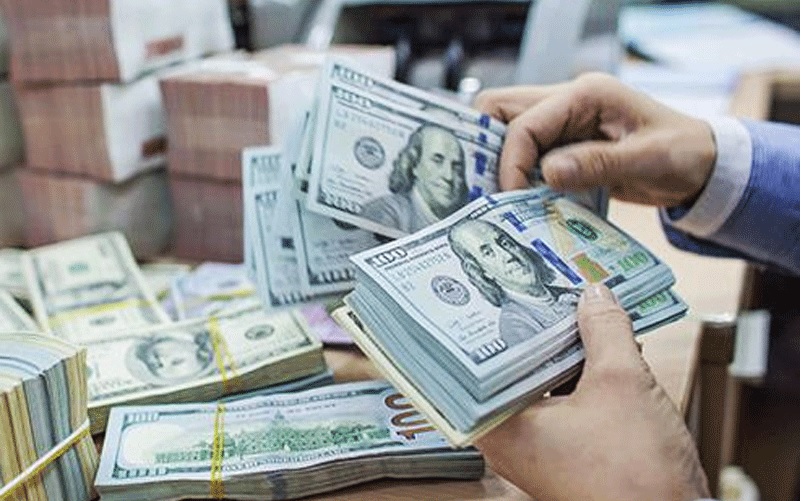
The upside for the US dollar appears limited as the strong performance of carry trades weighs on funding currencies, including the US dollar
The FX market is being dominated by low volatility and strong carry-trade returns. Even the war in Iran, which has flared up once again, seems unable to lift G10 FX volatility or dent the allure of the carry trade. While it seems reasonable to assume that the funding currencies used for the carry trade are low-yielders like the yen and Swiss franc, the US dollar seemingly has an important role to play as well as its stability is keeping volatility down and hence volatility-adjusted carry returns high. The carry trade could break down for a number of reasons.
On the funding side, Japan could suddenly achieve some success with its intervention, or produce a surprise rate hike that lifts the yen. While, on the other side of the carry trade, higheryielding currencies, especially in emerging markets, could plunge should current stock market tensions evolve into a fully-fledged meltdown.
A third source, and the one we want to consider, is more significant strength in the US dollar. The US dollar has been rising but the pace has been modest, especially against other major currencies like the yen and the euro. This pattern has helped keep FX volatility low. But a key risk to the carry trade could develop if the US dollar starts to surge. This could happen because the conflict in Iran progresses to a scale that mimics the early days of the war in March.
However, Steven Barrow, head strategist of the Standard Bank, said that the market is still rather regarding the geographic conflict as ‘old’ news. For we tend to find that once a situation, like a conflict, has been ongoing for some time its ability to move the FX market becomes limited, even if the war takes a different turn. That’s certainly been true of the conflict in Ukraine and now it seems to be the case for the war in Iran as well.
“We are not suggesting that the FX market is totally desensitised to the conflict in Iran; only that even significant developments appear incapable of producing substantial movement in FX markets. In our view, a far more pressing reason to fear a return of volatility is Fed policy. This is not necessarily just because we expect the Fed to hike rates when the vast majority of analysts see no rate hikes, and some predict cuts. The market is priced for the Fed to lift rates. But the danger is that new Fed Chair Wash’s desire for the Fed to disengage from forward guidance could make rate hikes (or cuts) a surprise when they occur, and this opens up the possibility of volatility even if the market is broadly priced to see higher rates. In short, we think that the second half of the year is likely to see volatility rise and eat into carry-trade returns”, Steven Barrow said.
As mentioned above, the yen seems likely to be the predominant funding currency for the carry trade with short-term rates low and volatility compressed. Rumours surface from time to time of official efforts to lift the yen, such as talk that the authorities might try to force public pension funds to invest a larger share in domestic markets but, in practice, it appears that there is little policymakers can do.
Coercing pension funds to invest more in local stocks or bonds seems a stretch. It is a tactic that others are though to be milling as well, such as the UK government, but we see it as a non-starter. Policymakers should make investing in local markets attractive; not try to force pension funds to act in a certain way.
In Japan, making the JGB market attractive to local investors is made more difficult by the fact that government debt is so high and the Takaichi government seems determined to add more debt to the stockpile. The upshot is likely to be more yen weakness but, with a target of 165 for US dollar/yen we are hardly predicting a dramatic slump in the yen.
Steven Barrow thinks that the key to a more sustainable rally in the yen is intervention by other major nations, primarily the US. However, it unlikely unless the yen were to collapse; something that could endanger the JGB market and, importantly, US treasuries. Such a slide in the yen could force the US into action but, more likely, is sustained, but modest weakness of the yen that keeps the US on the sidelines.
Author: NGOC ANH
RECOMMENDED TOPICS