VN
VN
 EN
EN
26/07/2026, 02:00
Investment
Hung Yen: Hallmarks of the Two-Tier Local Government Model
After nearly one year of operation, the two-tier local government model in Hung Yen has demonstrated clear progress in organizational restructuring, administrative reform, and public service delivery for citizens and businesses.
Since July 1, 2025, Hung Yen has officially operated under the two-tier local government model amid an expanded development space following the administrative merger. This has been regarded as a profound transformation in governance thinking, decentralization, delegation of authority, and approaches to serving citizens and businesses.
Our reporter had an exclusive interview with Mr. Nguyen Manh Quyen, Deputy Secretary of the Provincial Party Committee and Chairman of the Hung Yen Provincial People's Committee, about the key achievements after nearly one year of implementing the new model.
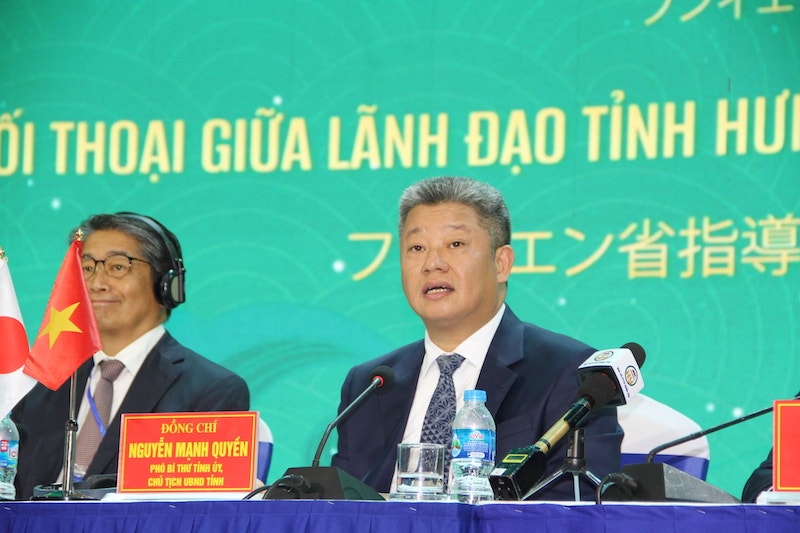
– After nearly one year of operating under the two-tier local government model, what would you consider Hung Yen’s most notable achievement, sir?
The most significant achievement is that Hung Yen has maintained the stability and smooth operation of the entire political system and government apparatus throughout a major transition. The reorganization of the administrative structure and administrative units has largely met the established objectives and requirements. There have been no gaps in state management and no disruptions to services provided to citizens and businesses.
Importantly, the new model is not merely about streamlining organizational structures or reducing intermediary levels. Hung Yen has gradually established a new governance approach characterized by greater integration, modernization, and clearer accountability. The provincial level has shifted decisively toward strategic planning, institutional development, inter-regional coordination, inspection and supervision, and addressing major issues. Meanwhile, commune-level authorities have been granted greater decentralization and delegated authority, enabling them to directly handle a broader range of tasks closely linked to people's daily lives and business activities.
Since July 2025, the province has issued a comprehensive set of legal and administrative documents to institutionalize decentralization and delegation of authority. Hung Yen has delegated 387 responsibilities across 11 areas of state management, including 91 responsibilities assigned directly to commune-level authorities. This marks a fundamental shift, reflecting the principle of “matching authority with responsibility,” thereby enabling local authorities to be more proactive, responsive to practical needs, and efficient in handling affairs.
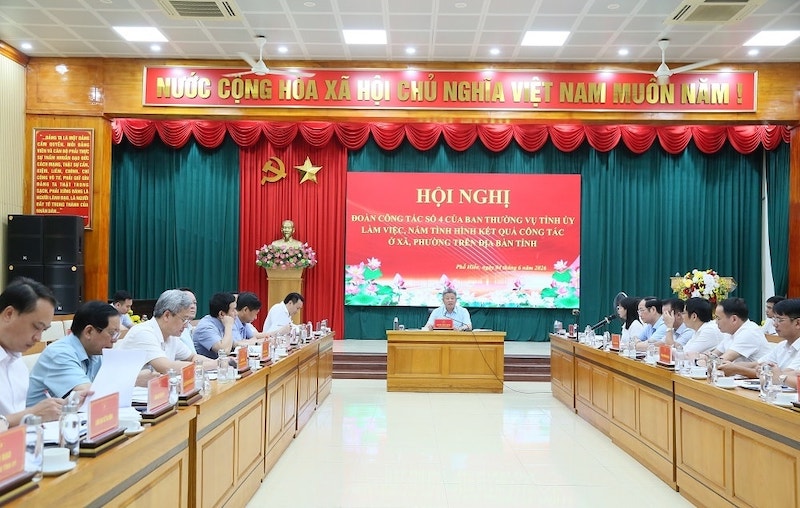
Working Delegation No. 4 of the Standing Committee of the Hung Yen Provincial Party Committee, led by Mr. Nguyen Manh Quyen, Deputy Secretary of the Provincial Party Committee and Chairman of the Provincial People's Committee, held a working session with the Standing Committees of the Party Committees of My Hao, Duong Hao, Thuong Hong, Pho Hien, Son Nam and Hong Chau wards, as well as Tan Hung Commune, on June 4, 2026
– One of the key requirements of the new model is for government to be closer to the people, more responsive to their needs, and better at serving them. How has Hung Yen translated this principle into practice, sir?
We believe that the ultimate measure of the two-tier government model is not whether the organizational structure appears leaner on paper, but whether citizens and businesses receive better services. Therefore, the province remains committed to a people- and business-centered approach, with public satisfaction serving as the benchmark for government performance.
Immediately after launching the new model, the province focused on standardizing administrative procedures, investing in technological infrastructure, and strengthening the Provincial Public Administration Service Center along with 104 commune-level service centers.
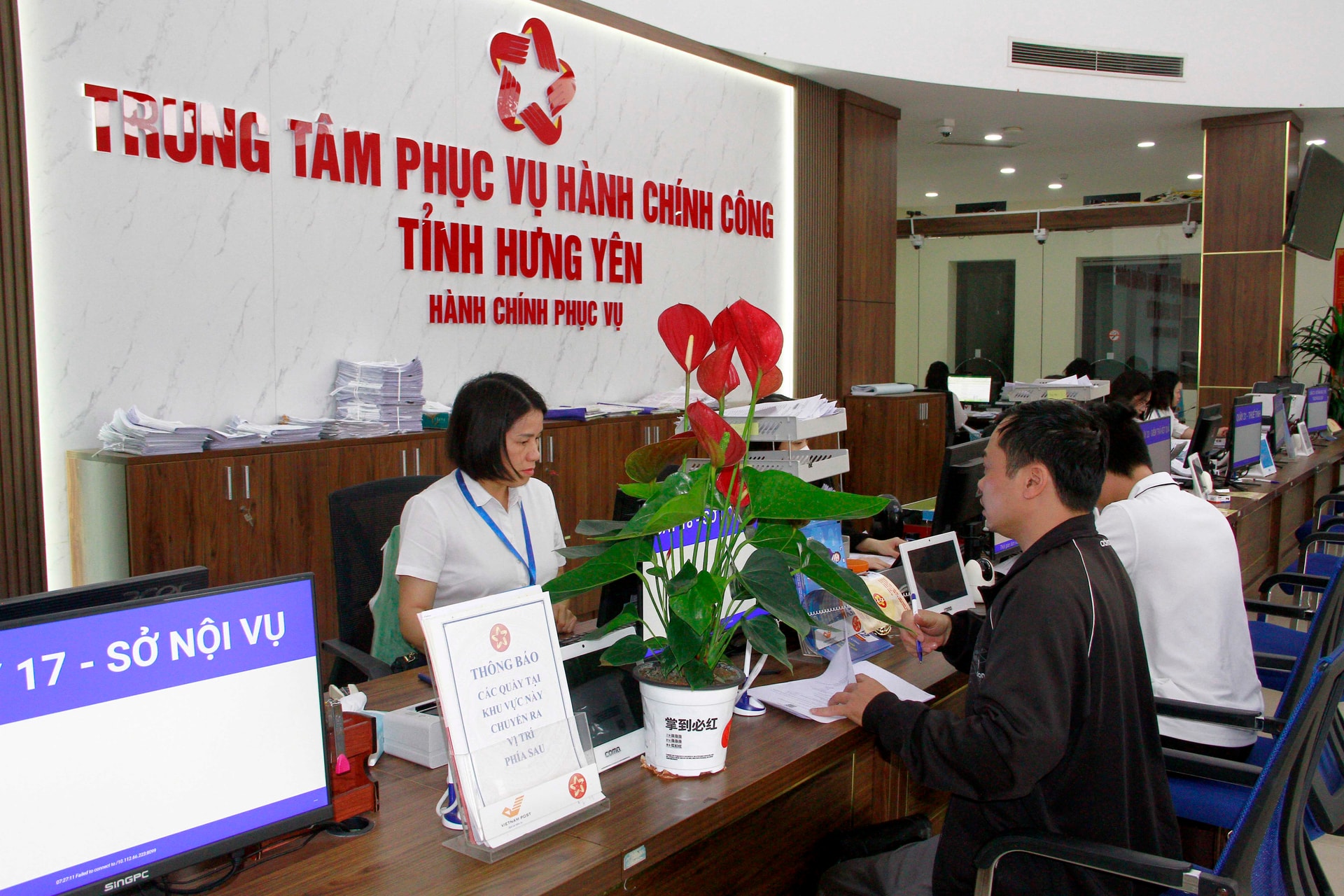
To date, the province has publicly disclosed 2,069 administrative procedures. All procedures are available online, and the rate of online application submissions has exceeded 95 percent. Notably, the acceptance and processing of administrative procedures regardless of administrative boundaries has created significant convenience for citizens and businesses.
To avoid legal and procedural gaps, the Chairman of the Provincial People's Committee promptly issued 63 decisions announcing 1,267 administrative procedures within the province’s authority. These procedures have been synchronized with the National Public Service Portal and integrated into electronic processing workflows. This has provided an important foundation for ensuring that the new administrative system operates in a unified, secure, and transparent manner.
In my view, the real innovation lies not only in the application of technology but also in a fundamental shift in service-oriented thinking. Officials can no longer work in a passive administrative manner, waiting for tasks to arrive before addressing them. The new model requires every agency and every public servant to be more proactive, more accountable, and more responsive, handling matters in a faster, clearer, and more citizen-oriented way.
– Based on the experience of the past year, what key priorities has Hung Yen identified to ensure the two-tier government model continues to operate effectively and sustainably?
Now that the organizational structure has been stabilized, our primary task is to improve operational quality. Streamlining the apparatus is a necessary condition, but effectiveness, efficiency, and service quality are the ultimate goals.
First, the province will continue refining its operating mechanisms based on the principles of clear assignment of responsibilities, tasks, authority, timelines, and expected outcomes. Decentralization and delegation of authority must be accompanied by inspection, supervision, and effective control of power. Responsibilities that commune-level authorities can perform effectively should be confidently entrusted to them. Conversely, responsibilities requiring provincial-level coordination must remain under the province’s full accountability, thereby preventing overlap, buck-passing, or administrative fragmentation.
Second, Hung Yen has identified 2026 as a particularly important year for building the capacity of grassroots officials. The spirit of the “Year of Grassroots Officials” must go beyond a slogan and become a substantive transformation in the deployment, utilization, and evaluation of personnel. The province is shifting from a mindset of assigning staff merely to fill positions toward placing the right people, with the right competencies, in the right jobs. We will resolutely reassign, replace, or streamline personnel who demonstrate limited capacity, avoid responsibility, shift blame, or lack the courage to act.
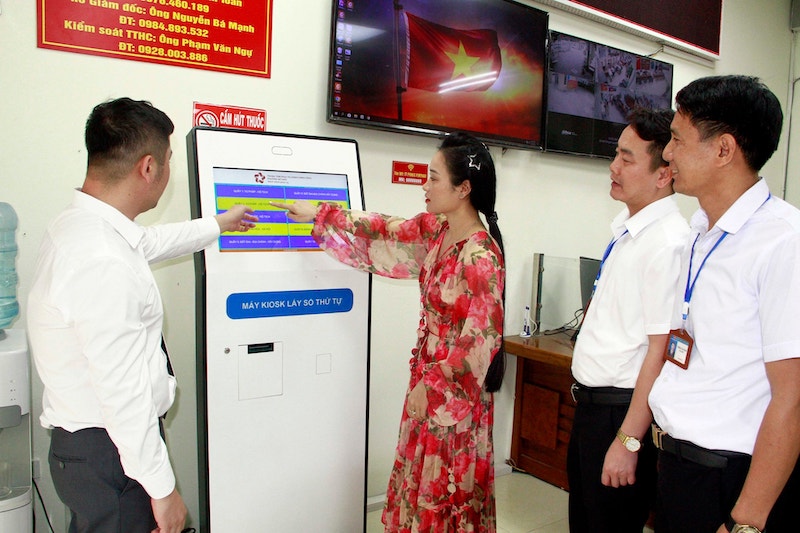
Third, the province will continue accelerating administrative reform, digital transformation, scientific and technological development, and data-driven governance. A modern government must be managed through data, deliver services on digital platforms, and evaluate performance based on work outputs and the satisfaction levels of citizens and businesses.
The two-tier local government model opens up new opportunities for development, but it also places high demands on governance capacity. Hung Yen is not satisfied with its initial achievements. The province will continue refining the model to make it more streamlined, transparent, disciplined, and effective, while building a people-centered administration that serves the public and lays the foundation for rapid and sustainable development in the years ahead.
Thank you so much!
Author: Kim Dung - Vu Phuong (Cam Anh translates)
RECOMMENDED TOPICS