VN
VN
 EN
EN
15/07/2026, 10:39
Investment
Hung Yen strengthens dialogue with businesses
Hung Yen Province is expanding dialogue channels to better listen to businesses, address their concerns, and foster a more transparent, open and business-friendly investment environment.
What do businesses need to feel confident about expanding their investments? Easier channels for submitting feedback, clearer procedures for resolving issues, or stronger coordination among government agencies? How can challenges related to land use, labor, taxation, customs, and fire safety be identified early and addressed in a timely manner?
These practical questions are driving Hung Yen's efforts to strengthen dialogue with the business community to create an increasingly transparent, open, and business-friendly investment environment.
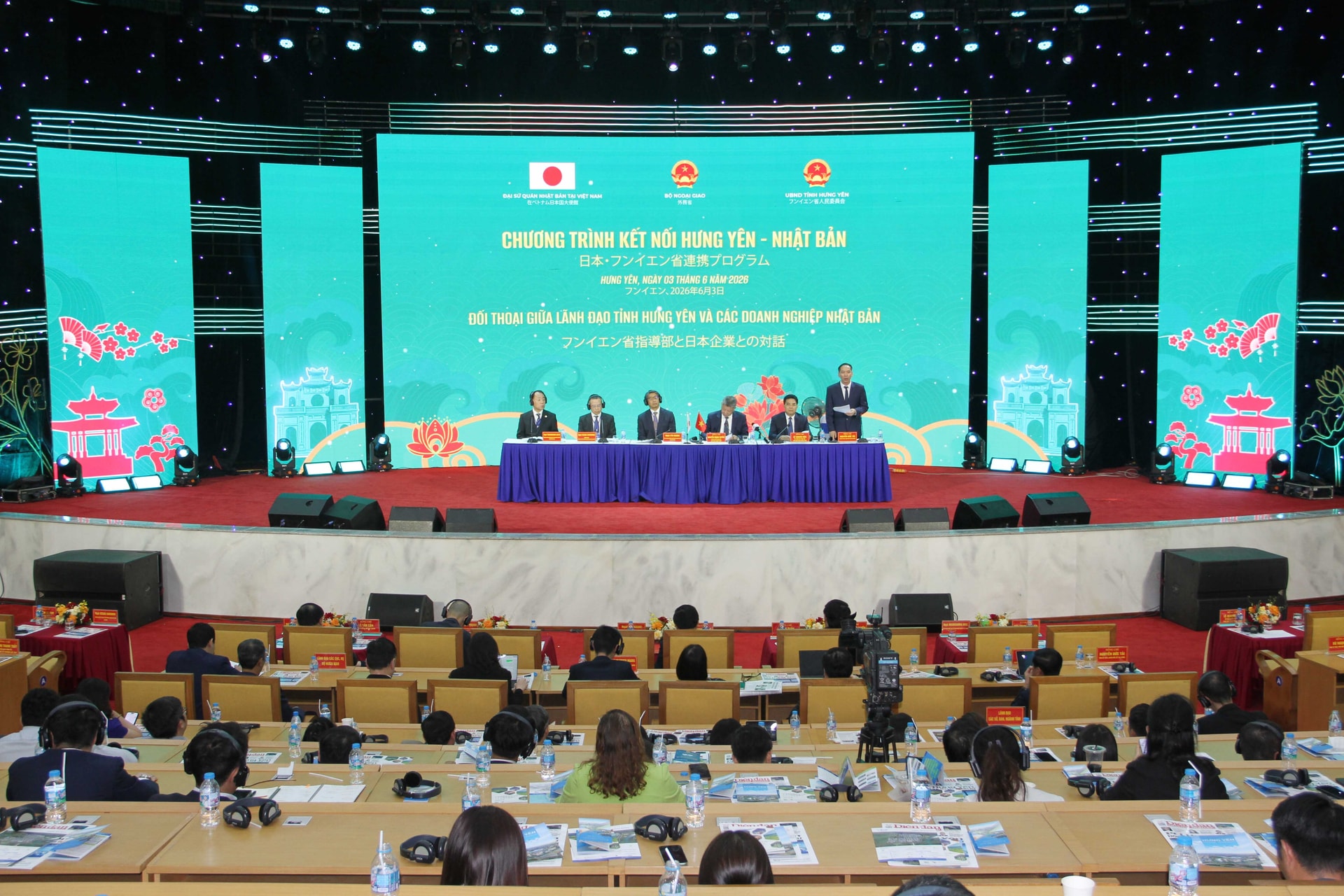
Hung Yen Province is strengthening dialogue channels to listen to businesses and promptly address challenges and obstacles they encounter.
Listening to businesses
On March 20, 2026, more than 400 businesses, entrepreneurs, and investors attended a business meeting organized by Hung Yen Province. The event served as a platform for enterprises to directly raise challenges encountered in their production and business activities.
Prior to the conference, provincial authorities had received 10 petitions from five businesses and provided responses, including written replies sent to each enterprise. After the initial submission deadline, an additional 16 businesses, through the Hung Yen Business Association, submitted petitions concerning issues arising from their investment and production activities.
These figures highlight the strong demand among businesses for direct dialogue with authorities. Behind each petition may be a project awaiting land-use approvals, a factory unable to begin construction, an administrative procedure lacking consistency, or additional costs that could disrupt production plans.
As a result, what matters most to the business community is whether their concerns are acknowledged, which agency is responsible for addressing them, how long the process will take, and what outcomes can ultimately be expected.
Mr. Nguyen Le Huy, Standing Vice Chairman of the Hung Yen Provincial People's Committee, said that the provincial administration will conduct a comprehensive review of procedures that directly affect businesses, particularly in areas such as investment, land administration, construction, environmental management, fire prevention and firefighting, business registration, labor, and post-licensing procedures.
According to Mr. Huy, each procedure should clearly disclose the required documentation, processing timelines, responsible agencies, and designated points of contact for support. Regulations that remain overlapping, time-consuming, or inconsistently applied across agencies should be standardized, digitalized, and subject to close monitoring.
This is a crucial requirement, as dialogue can only deliver meaningful results when it is supported by a closed-loop process: receiving feedback, categorizing issues, assigning responsibility, monitoring progress, providing responses, and verifying outcomes.
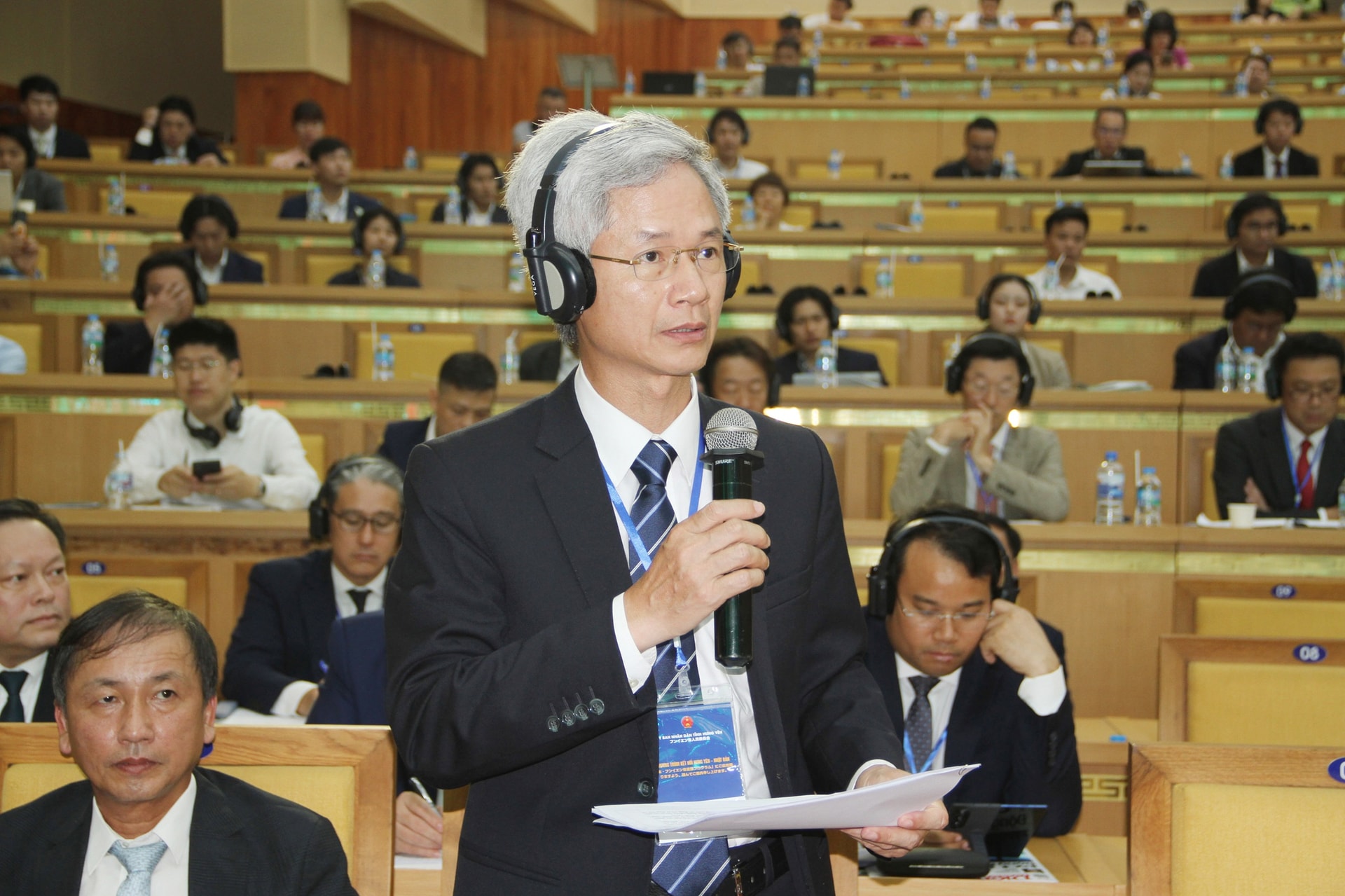
Mr. Dao Hong Van, Member of the Standing Committee of the Hung Yen Provincial Party Committee and Director of the Department of Home Affairs, responds to a petition from a Japanese business regarding labor shortages in the province’s industrial parks.
In practice, businesses in Hung Yen continue to face challenges related to investment procedures, access to land, site clearance, construction, environmental compliance, financing, labor supply, and access to planning information. These are largely cross-sector issues that are difficult to resolve effectively if each agency addresses only the matters within its own jurisdiction.
Therefore, alongside increasing the frequency of dialogue sessions, the province needs to further strengthen coordination among departments, agencies, and local authorities, while minimizing situations in which businesses must navigate multiple administrative bodies to complete a single process.
Representing the business community, Mr. Nguyen Van Hoan, Director of Thanh Tung Co., Ltd. and Vice Chairman of the Hung Yen Business Association, said that enterprises acknowledge the province's reform efforts and its willingness to listen to business concerns. However, existing bottlenecks should also be addressed candidly so that timely and appropriate solutions can be implemented.
According to Mr. Hoan, businesses expect local authorities to act faster, operate more transparently, and provide more substantive support, with the effectiveness of services delivered to citizens and businesses serving as the key measure of reform success.
The Hung Yen Business Association therefore plays an important role as a focal point for collecting business feedback, categorizing issues, and conveying the concerns of the business community to local authorities. In turn, government agencies can also work through the Association to communicate new policies, provide early warnings on legal risks, and guide businesses on compliance requirements from the outset.
“Such two-way dialogue helps narrow the gap between policy formulation and its implementation in practice”, Mr. Nguyen Van Hoan said.
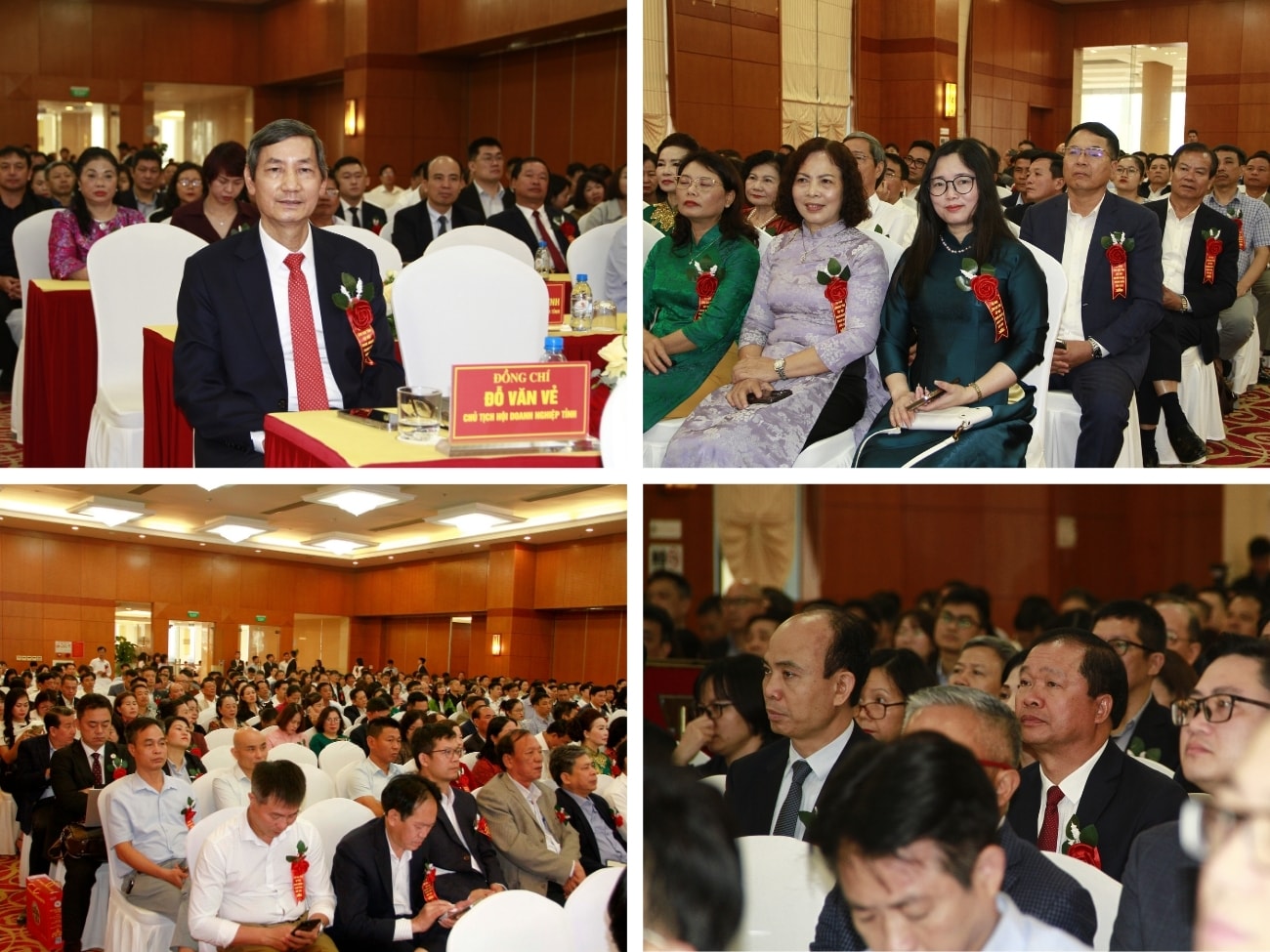
Meetings and dialogue sessions between provincial leaders and the business community consistently attract strong participation from entrepreneurs and enterprises.
Thematic dialogue to strengthen investor confidence
One notable aspect of Hung Yen’s approach is that dialogue activities are being expanded beyond the provincial level to cover specific sectors and investor groups.
For example, in March 2026, the Hung Yen Tax Department organized its first-quarter 2026 conference on tax policy updates and business dialogue, held in a hybrid format combining in-person and online participation. More than 500 businesses attended the event in person, while nearly 300 others joined through online platforms.
At the conference, businesses were updated on new regulations taking effect in 2026 concerning value-added tax (VAT), corporate income tax, special consumption tax, personal income tax, invoicing, administrative sanctions, and land-related financial obligations.
More importantly, tax authorities directly addressed practical issues arising during the implementation of tax policies. Businesses were able to raise questions in person, submit written inquiries, or engage through online platforms. Matters that could not be resolved immediately were recorded for further review and follow-up responses after the conference.
For import-export businesses, in March 2026, Customs Sub-Department Region IV organized a dialogue conference with importers and exporters under the theme “For a Sustainable Business Community”. The event provided a platform for direct discussions between customs authorities and businesses on issues related to customs procedures, risk management, rules of origin, tax policies, and customs clearance processes.
Such sector-specific dialogue enables regulatory agencies to gain a clearer understanding of challenges arising within individual operational procedures. At the same time, it helps businesses better understand their compliance obligations, reducing unintentional errors that could result in customs clearance delays or additional costs.
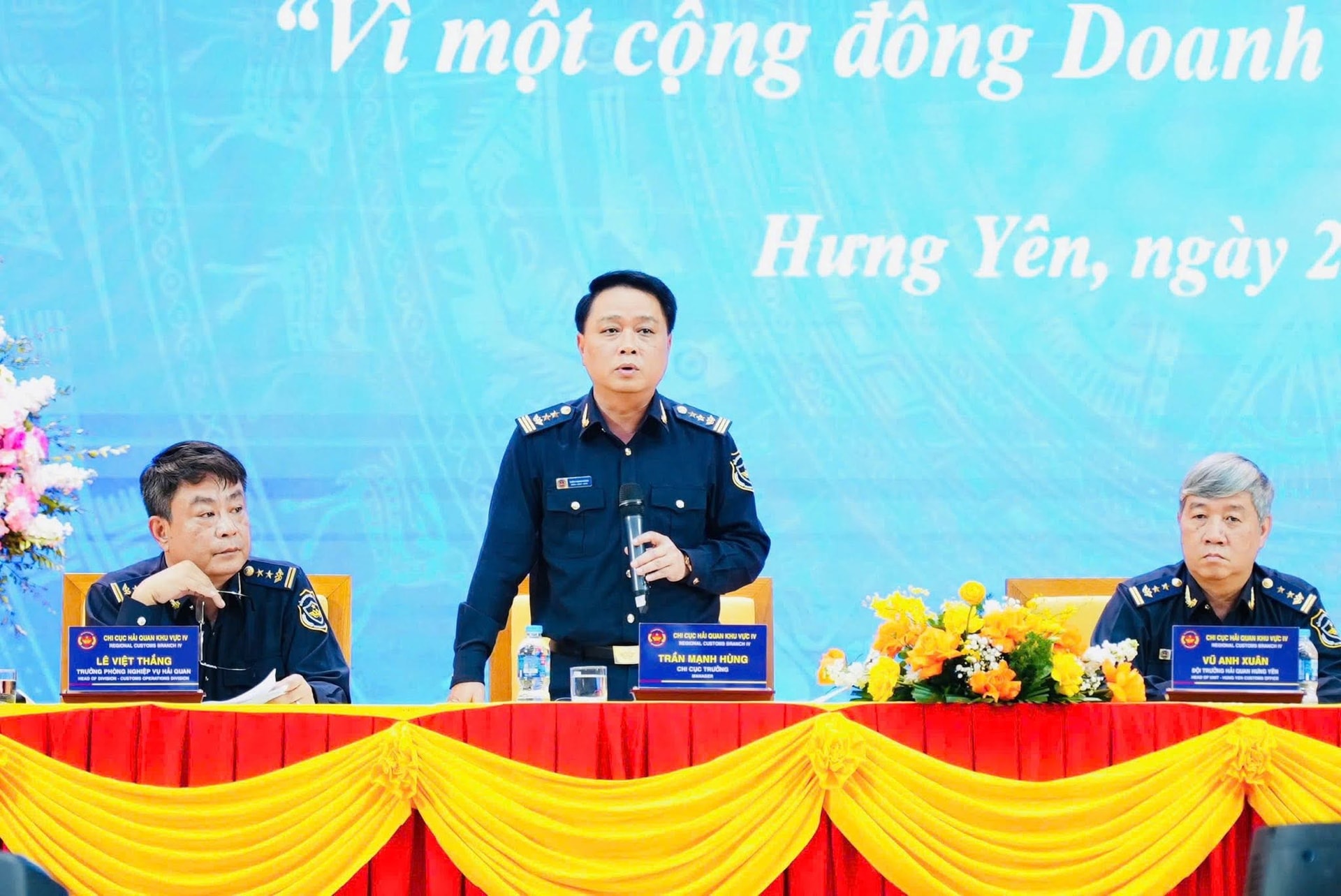
Customs Sub-Department of the Region IV organized the 2026 Customs–Business Dialogue Conference, aiming to promote sustainable development and long-term cooperation under the motto: “Innovative Thinking – Modern Management – Shared Growth”.
The scope of dialogue was further expanded through the Hung Yen–Japan Connectivity Program held on June 3, 2026. During the event, Japanese businesses raised a range of specific concerns related to labor recruitment and training, worker housing, investment procedures, business registration, taxation, customs, industrial cluster infrastructure, and fire prevention and firefighting requirements.
Provincial leaders, together with representatives from relevant departments and agencies, directly addressed each group of issues. Matters requiring further review were formally received and assigned to competent authorities for examination, with written responses to be provided afterward.
These dialogue sessions show that businesses are not merely seeking answers to specific administrative procedures; they also need a government capable of responding quickly to emerging challenges. As such, dialogue mechanisms should become more flexible, tailored to individual sectors, industrial parks, domestic enterprises, FDI investors, and small and medium-sized enterprises (SMEs). Alongside in-person meetings, Hung Yen can continue enhancing its online feedback system, publicly tracking the progress of issue resolution and measuring business satisfaction once cases have been addressed.
This approach will provide a foundation for Hung Yen to realize its goal of building a more open, transparent, fair, and business-friendly investment environment; one in which enterprises are not only encouraged to invest but are also listened to, supported, and accompanied throughout their development journey.
Author: KIM DUNG – VU PHUONG (THANH TRA translates)
RECOMMENDED TOPICS