VN
VN
 EN
EN
26/07/2026, 11:20
Investment
HVX faces the risk of forced delisting
Vicem Hai Van Cement JSC's HVX shares are at risk of being forcibly delisted due to three years of continued business losses.
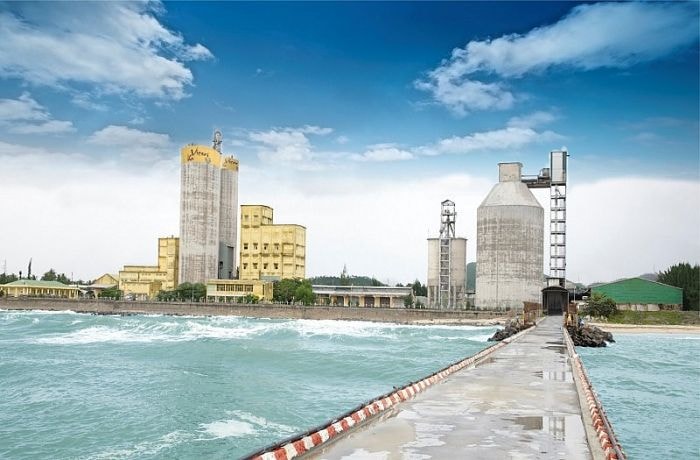
HVX's gross profit fell to just VND 4.6 billion, a 90% decrease from the same time in 2024.
HVX recently released its Q4/2025 financial report, which shows that while the company's net revenue in the final quarter of the year increased by 21% compared to the same period last year, reaching VND 104.5 billion, the cost of goods sold increased significantly by 145% compared to the same period, reaching nearly VND 100 billion. As a result, the company's gross profit fell to just VND 4.6 billion, a 90% decrease from the same time in 2024.
Financial expenses decreased by 44%, sales expenses decreased by 41%, and administrative expenses decreased by 4% when compared to the same period in 2024. Despite these significant reductions, this company was unable to "save" itself from loss, with a loss of nearly VND 16 billion compared to a loss of VND 6 billion in the same period last year.
This company said that the losses resulted from intense rivalry in the Central and Central Highlands cement markets, where several low-cost brands outside the Vicem system increased their market share. It used a number of strategies to raise production and sales in order to hold onto market share.
Additionally, the firm did not manufacture or sell clinker at this time since there was no market demand, high manufacturing costs, and bad logistics. The Van Ninh cement plant's fixed costs, which included depreciation of fixed assets, land clearing charges, and the allocation of maintenance costs, totaled more than 10 billion VND as a result of the termination of clinker production.
HVX's net sales for the entire year 2025 were over VND 431 billion, up 24% from 2024, while its after-tax profit was down over VND 46 billion. Additionally, this is the company's third year in a row of losses. This implies that there is a chance that HVX shares will have to be delisted.
Due to losses in after-tax earnings in the audited financial statements for 2023 and 2024, HoSE previously delivered HVX a notification stating that HVX shares had been placed under control as of March 19, 2025. HoSE also got the Q4/2025 financial report on January 19, 2026, which revealed a loss of around VND 46 billion in 2025. Therefore, HoSE pointed out that if HVX's audited financial statements for 2025 continue to show negative after-tax earnings, there may be a required delisting in accordance with legal requirements.
Positive advancements in Vietnam's cement sector contrast sharply with HVX's terrible business outcomes. A Ministry of Construction research project predicts that Vietnam will produce 104 million tons of cement and clinker in 2025, an 11% increase over 2024. The expected total product consumption is 112 million tons, which represents a 16% increase over the same time in 2024.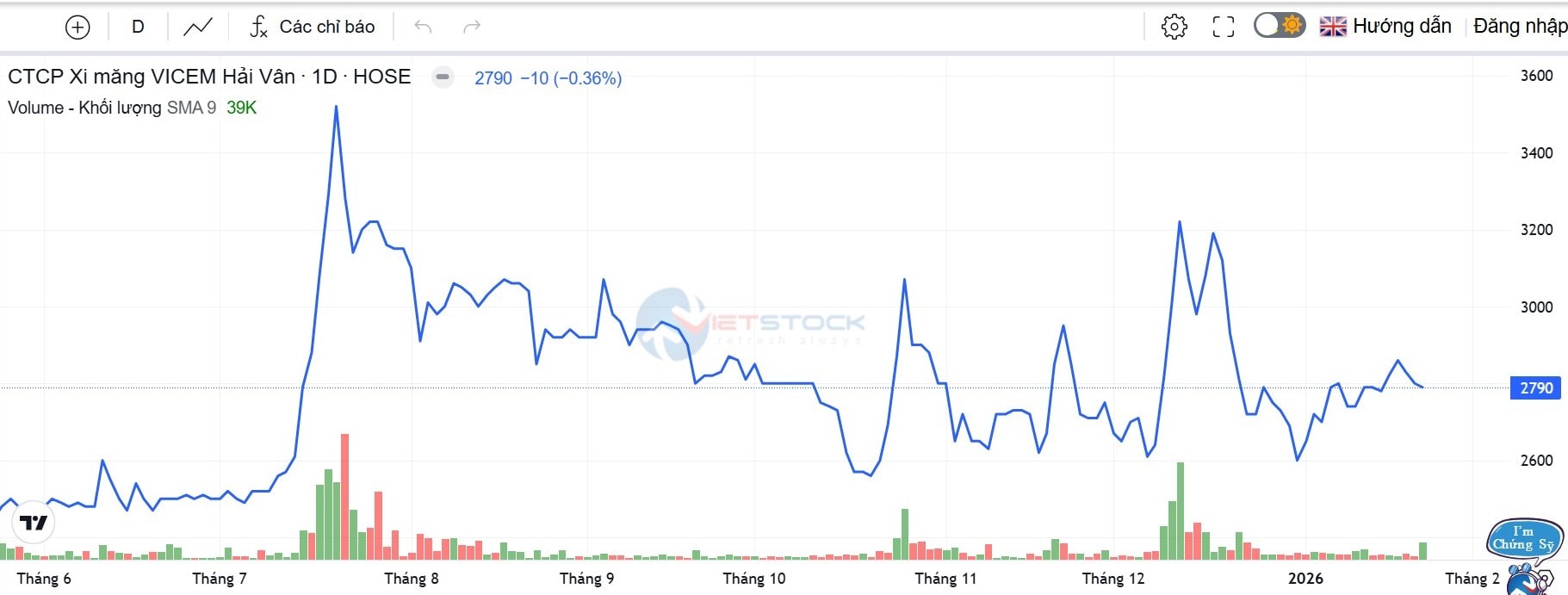
Specifically, the demand for cement in the country grew significantly, with an expected 12.8% rise from 2024. This resulted in the first-ever domestic consumption of 75 million tons, which is also a record high for the cement sector. With foreign exchange revenues of almost USD 1.362 billion, exports reached over 37 million tons, roughly 8 million tons more than the previous year.
Domestic consumption reached 75 million tons, a double-digit increase mostly due to successful economic policies and, in particular, a powerful boost from public investment, transportation infrastructure projects, and the rapid building of public infrastructure.
Experts forecast that a complex combination of variables, both good and negative, would continue to impact the Vietnamese cement sector in 2026. These include the government's efforts to stimulate growth through ongoing large-scale infrastructure investment packages, the real estate market's slow recovery, and the changing dynamics of supply and demand between exports and domestic economic sectors.
In 2026, the cement industry is anticipated to be further stimulated by public investment and the real estate sector, given a continued high economic growth objective and a focus on constructing important transportation infrastructure projects. Significant overstock and fierce rivalry, however, continue to be major obstacles for the business as a whole.
Author: THANH LIEM
RECOMMENDED TOPICS