VN
VN
 EN
EN
10/07/2026, 10:58
VCCI
Improving the quality of life for urban residents
Sustainable urbanization is a goal in Vietnam's Urban Development Strategy to 2030, with a vision to 2045, as outlined in Resolution 06-NQ/TW of the Central Committee of the Communist Party of Vietnam.
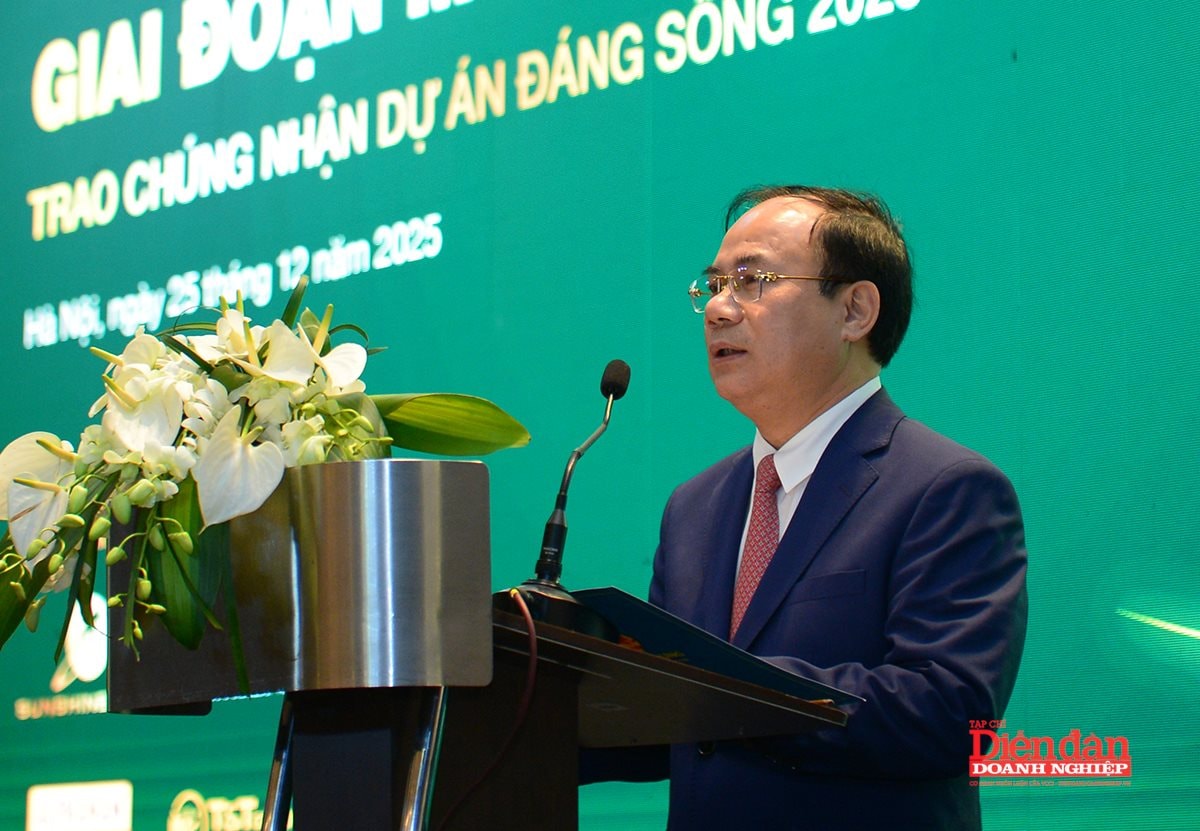
Mr. Nguyen Van Sinh, Deputy Minister of Construction
Vietnam has seen several noteworthy advancements in urban design, building, administration, and development after over 40 years of innovation, particularly in the last ten years. As of right now, there are 902 cities of all kinds spread out quite evenly throughout our nation's metropolitan structure. From 30.5% in 2010 to almost 40% in 2020, the rate of urbanization has grown to around 42% at this time. Urban space is growing; technological and socioeconomic infrastructures are being constructed more efficiently and synchronized; and urban dwellers' quality of life is steadily getting better.
Urban development and urbanization are now major forces behind socioeconomic growth. Nearly 70% of the nation's GDP comes from the rapidly expanding urban sector. In the fields of science, technology, education, and training, economic growth poles and innovation centers first emerged in large cities, particularly in Hanoi and Ho Chi Minh City.
The goal of sustainable urban development is to make the community's common home and people's lives better. And that's essential for the country's sustainable growth in the face of increasingly complicated natural disasters brought on by climate change globally.
The Livable Project Program has contributed to improving the quality of the real estate market. Liveability can help projects serve as "incubators" that can be replicated to improve the quality of life for urban residents.
The Livable Project Program's most significant new feature is that, for the first time, social housing projects are also evaluated for liveability. This goes hand in hand with Prime Minister's Decision 338/QD-TTg, dated April 3, 2023, which calls for the construction of at least 1 million social housing units for low-income earners and industrial park workers between 2021 and 2030. By encouraging economic sectors to build social housing, this will help ensure that low-income earners, social policy beneficiaries, and the impoverished people with housing issues have not only a place to live but a livable place based on market dynamics. As a result, social security will be guaranteed, political stability will be enhanced, and urban and rural growth will move toward modernity and civilization.
The year 2025 is extremely significant for this program since it saw the implementation of several new real estate-related laws, including Housing Law No. 27/2023/QH15, Land Law No. 31/2024/QH15, Real Estate Business Law No. 29/2023/QH15, and others, on January 1, 2025. However, indications from the real estate market indicate that in order to build genuinely appealing places to live, there are tighter standards for quality, not just in terms of infrastructure but also in terms of spiritual or communal considerations.
Whether it is commercial, high-end apartments, or social housing complexes, the Liveable Project Program's success has confirmed its correctness and appropriateness for the growth of the real estate sector, fostering social orientation and humanistic values. Additionally, the livable project marks the start of the livable city initiative that our cities are working toward. We may certainly see "livable cities" made of livable projects in the future.
Author: Nguyen Van Sinh, Deputy Minister of Construction
RECOMMENDED TOPICS