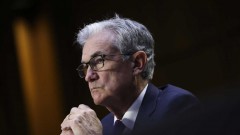
Inflation concerns persist for the long run
There are reasons to fear that inflation won’t decline in the way that central banks expect.
Many banks have just launched credit packages with preferential lending interest rates that decreased by between 0.5-3% per year for customers in the fields of business...
The race to lure demand deposits, or current account savings account (CASA), among banks seems to be decelerating as it is more difficult for them to attract the cheap...
Foreign ownership limits at credit institutions were expected to be raised to an appropriate level to attract foreign investment, which plays an important role in...
The last week’s Fed, ECB and BoE meetings have been notable for the slightly more dovish, or hopeful comments from bank leaders.
TPBank is due to pay a cash dividend at a rate of 25 per cent instead of a stock dividend like in previous years. This means that shareholders will receive VNĐ 2,500...
The interest rate hike race among banks is showing signs of cooling down as many banks have adjusted down the rate by 0.1-1 percentage points per year after the Lunar...
In recent years, major central banks have decided that their methods for achieving their mandates left something to be desired. The Fed changed its modus operandi in...
Banks are facing higher cost of fund (COF) as a result of tightening liquidity and stricter monetary policies.
Việt Nam’s four biggest State-owned banks have an urgent need for capital increase in 2023 as their charter capital is too low, with some unable to ensure the regulated...
Up until 2021, advanced-country central banks found it too easy to achieve their 2% inflation targets. Now they find it too hard. Instead, achieving a full employment...
Accessing capital is still very difficult due to the strict lending regulations of banks.
The "big" banks with state capital proposed to increase their capital in 2023 to improve their financial capacity.
Both foreign and domestic fintech firms are promoting connections with commercial banks to lend unsecured loans to individuals, and small and micro enterprises as demand...
Up to now, 12 banks have committed to reducing interest rates from 0.5-3% per year with an amount of more than VND 3,300 billion to support businesses and people.
International capital has flowed into many Vietnamese banks in 2022, which is a good sign indicating the capacity of domestic joint stock commercial banks.
The Fed, ECB, BOE and SNB all hiked 50-bps while Norges Bank announced a smaller 25-bps hike.
Amid rising non-performing loans (NPLs), many banks have strongly increased their loan-loss reserve (LLR) funds to readily face uncertainties in the future.
Many commercial banks are prepared to inject more than VND200,000 billion worth of cash into markets after the State Bank of Vietnam approved the expansion of the credit...
According to Deputy Governor of the State Bank of Vietnam (SBV) Dao Minh Tu, credit growth must be in accordance with exchange rates and interest rates, so now is the...
The proposal was under SBV’s draft decree on amending and supplementing a number of articles of Decree No. 01/2014/NĐ-CP dated January 3, 2014 of the Government on...
The State Bank of Vietnam has raised the domestic banking system’s credit growth by 1.5-2.0 percentage points from the previous 14% limit on December 5.