How will Trump's pressure on the Fed affect the US dollar?
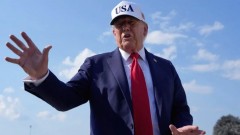
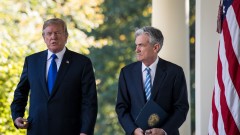
As long as the Fed holds out against Trump’s pressure for lower rates, the more the US dollar could further.
There might be a number of reasons why the correlation between uncertainty and the US dollar has broken down.
It seems that black swans events are becoming a regular feature of the global landscape.
If we can agree that the US – the global financial hegemon – is in retreat and that the US dollar will fall, who will be the primary beneficiaries?
The US dollar or the euro? Public money or private money? Two questions that seem to stand at the heart of the monetary debate, but only the former attracts any...
The outlook for the US dollar in coming weeks and months seemingly depends on the outcomes of three particular uncertainties.
The US dollar’s seemingly inexorable slide looks set to continue. The key in the shortterm is whether important psychological levels can be broken, such as 1.15...
The US dollar is still on the backfoot and we see little sign that this is going to change anytime soon. Many analysts continue to target the two 25s, meaning 1.25 for...
While the issue of US tariffs remains an important focus for the financial markets, it seems as if it has been overtaken by another crucial issue: tax policy.
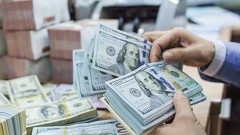
The US dollar is dominant in many facets of the international financial market.
The US Administration’s defeat in the federal Court of International Trade on Wednesday exposes two problems with tariff policy.
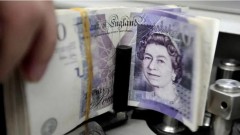
It might just be the case that lessons learnt in the UK, but ignored in the US, could continue to propel the pound higher against the US dollar.
There seems to be a huge amount of focus right now on the status of the US dollar. Concerns are growing that the greenback may see its status decline in areas such as...
The US dollar remains on the back foot and, while there could be some short-term relief as the US Administration starts to agree trade deals, many analysts believe that...
The US dollar is at a very interesting juncture because it is going down when theory and historical precedent suggests that it should be going up.
Without tariff wins from the US Administration, the bleeding will continue in asset prices.
The Standard Bank expects the US dollar to lose ground to ‘safe’ currencies like the yen, gain ground against higher risk currencies, such as the Australian dollar and...
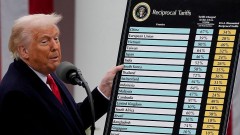
The “liberation day” in the US today, as the Trump Administration releases its reciprocal tariff naughty list, won’t be ‘clarity day’.
Fiscal policy is in a major state of flux in many large-developed economies. This policy may affect currencies.
The US dollar has fallen by as much as 6% this quarter against other developed currencies (on the DXY index).
Many economists said responding to US tariffs through the financial account, rather than through the trade account might be more beneficial for these countries.
It has been said in the past that when the US sneezes the rest of the world catches a cold. The large size of the US economy and its dominance in global financing are...