VN
VN
 EN
EN
16/07/2026, 02:38
Investment
The crosscurrents impacting the US dollar
New pressures on the Federal Reserve (FED), in the form of a subpoena from the US Department of Justice serves to highlight the crosscurrents impacting the US dollar.
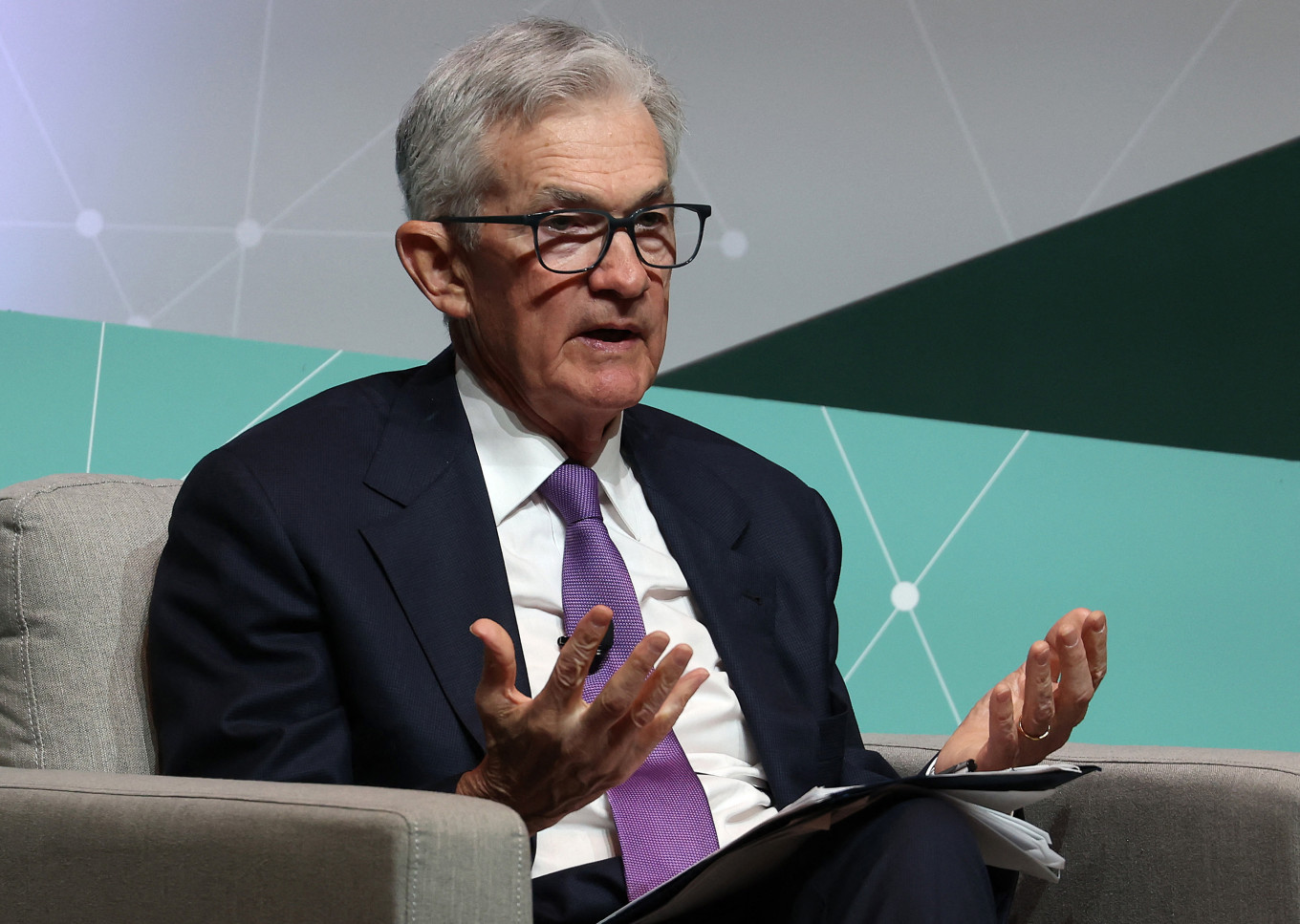
The FED may pause rate cuts in this month
There seems little doubt that this will be another year in which the US economy outperforms its G10 peers. But it is also likely to be another year in which traders and investors question the means of achieving this outperformance. The US dollar bulls won’t worry about the means and will continue to buy. The bears will have reservations and will sell. The two sides could cancel each other out.
Implied volatility is already very low and could stay down if neither side gains the upper hand. The controversial ‘means’ by which the US is achieving stronger growth than peers include tariffs, tax cuts at a time of soaring debt, and, as brought into sharp focus again this weekend, political pressure on the Federal Reserve to lower rates. The subpoena issued against Fed Chair Powell over the cost of Fed renovations might seem innocuous, but Powell himself knows that this is about much more than bricks and mortar. His statement and video show that the Fed believes that its independence is at stake.
Other actions, including the attempt to oust Fed Governor Lisa Cook, and installing White House economists as Fed Governors in the shape of Stephen Miran, make the subpoena unsurprising but no less shocking. The US dollar fell by nearly 10% against other G10 currencies last year in spite of the strong likelihood that the US economy outperformed others by a decent margin. This may suggest that in a fight between US exceptionalism on one side and dubious policies on the other, it will be the latter that wins out – and the US dollar will fall.
Broadly speaking, we see things this way. But it is likely to be a struggle, and, in spite of the shocking subpoena story this weekend, Steven Barrow, Head of Standard Bank G10 Strategy doubts that the US dollar will plunge in the short term. A 1.15-1.20 trading range for euro/dollar may well persist for some time, especially if the Fed holds off from further rate hikes for now.
“Even our expectation for the US Supreme Court to rule the bulk of President Trump’s tariffs illegal may not shake the US dollar out of its current stupor as it seems that a negative verdict for the Administration is priced in by the market. By the end of the year, we expect the US dollar to have shed around 5% of its value, or about half of the loss that we saw in 2025. It could be more, but that seems contingent on a notable slowing in the US such that the exceptionalism theme comes into question, but we doubt that this will happen,” said Steven Barrow.
The yen can’t seem to catch a break even when the US dollar is under pressure, as we saw last year. The currency fell against all other G10 currencies last year, bar a minuscule 0.3% rise against the US dollar. This was despite a substantial narrowing of interest rate differentials between the US and Japan; both in terms of policy rates and longer-term yields. It begs the question, just what will it take for the yen to strengthen significantly? It is a sudden reversal of yen-funded carry trades as we saw in Q3 2024 when the BoJ surprised with a more aggressive tightening of policy than the market anticipated.
However, it looks as if the days of interest rate surprises are over, with the Bank now somewhat cautious about the speed and size of rate hikes. And besides, what we saw in 2024 was that rapid unwinds in yen-funded carry trades only bring temporary strength in the yen; not long-lasting appreciation. From a fiscal/political standpoint it also seems that yen salvation is out of reach. New PM Takaichi can’t shake off the impression that her policies are a more modest version of those pursued by former PM Abe from 2012; policies that were associated with a much weaker yen.
“In many senses this would be unfair, as Abe, under whom Takaichi served, had a clear preference for yen weakness. That’s not shared by Takaichi now, it would seem. But there is guilt by association, and hence the current PM seems unlikely to be able to turn around the yen with the current policy mix,” said Steven Barrow.
Author: NGOC ANH
RECOMMENDED TOPICS