VN
VN
 EN
EN
26/07/2026, 02:00
Investment
Vietnam as one of Asia’s most attractive investment destinations
Amid global economic fluctuations, Viet Nam continues to stand out as one of the most dynamic and resilient economies in the region, driven by robust growth, progressive reforms, and a steady inflow of high-quality foreign investment.
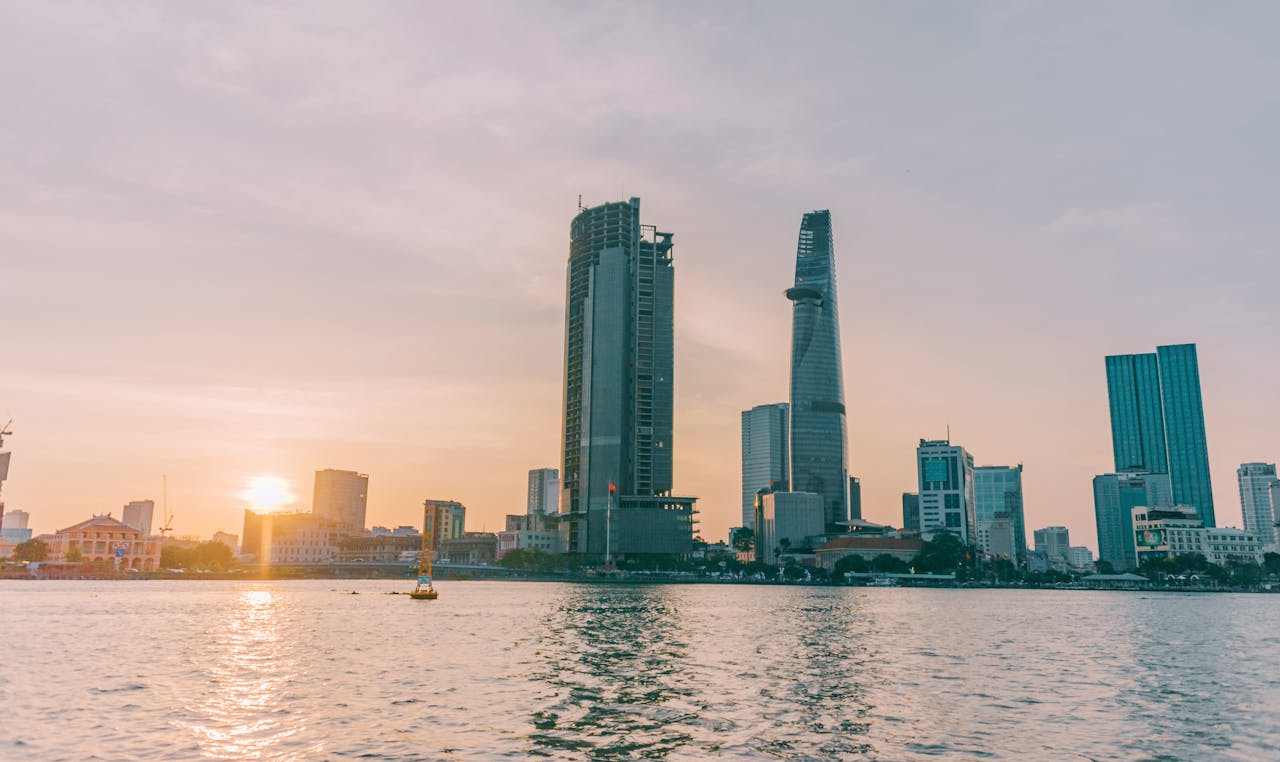
Viet Nam possesses a rare combination of strong growth momentum, a young population, active policy reforms, and large-scale infrastructure investment. Photo: HCM city
According to Troy Griffiths, Deputy Managing Director of Savills Vietnam, 2025-2035 will mark a new phase of transformation for the Vietnamese economy. Investment and production are shifting towards high-tech industries, generating greater value and solidifying the country’s position in the regional value chain.
“Viet Nam possesses a rare combination of strong growth momentum, a young population, active policy reforms, and large-scale infrastructure investment. These fundamentals will underpin a decade of sustainable expansion, with real estate remaining a cornerstone of economic development,” said Griffiths.
As highlighted in Savills Vietnam Real Estate Market Report Q3/2025, GDP growth was a regional leader, reaching 7.5-8%. The Government has set an ambitious 10% target for next year, reflecting confidence in continued recovery.
Despite recent currency fluctuations, the weaker exchange rate has strengthened export competitiveness, while a PMI above 50 indicates a positive rebound in manufacturing. Retail and service revenue have also risen steadily, showing healthy consumer demand.
“Viet Nam’s growth drivers extend beyond exports to an expanding middle class and rising domestic consumption, becoming equally powerful forces,” Griffiths adds.
Inflation remains under control, and interest rates are maintaining low stability, supporting investment and consumer confidence. In a time of global uncertainty, Viet Nam’s reliable financial environment continues to make real estate an attractive and inflation-hedging asset class.
FDI, Infrastructure, and Investment Reallocation
Foreign direct investment (FDI) in Viet Nam remains on an upward trajectory, with stronger quality inflows. Although total disbursement has not reached its peak, excluding mega energy projects, investment into industrial, technology, and real estate sectors remains robust.
Ha Noi attracted US$3.5 billion in FDI last quarter, with over US$3.1 billion flowing directly into real estate, a clear testament to investor confidence in the market.
Griffiths says, “Viet Nam has moved beyond being a low-cost investment destination. Capital is now targeting high-tech manufacturing, chips, computing, and value-added production, elevating Viet Nam up the global value chain.”
At the same time, US$49 billion in infrastructure investment is being deployed nationwide, including the North-South Expressway, Long Thanh International Airport, Ring Road systems, and LNG projects. Once completed, these networks will redefine Viet Nam’s urban landscape, connecting emerging growth hubs and expanding development corridors across secondary cities such as Binh Duong, Dong Nai, Hai Phong, and Quang Ninh.
Griffiths emphasises, “Infrastructure will be the most critical growth driver for the next decade. Together with rapid urbanisation, satellite cities will become the next centres of real estate development.”
Sustainable Growth Opportunities
By 2035, Savills forecasts Viet Nam’s GDP to reach US$480-500 billion, tripling its current size, with an average growth rate of 7-8% per annum.
The urbanisation rate is projected at 50%, equivalent to 51 million urban residents, while the middle class could expand to 75% of the population - driving strong demand across residential, commercial, hospitality, and healthcare sectors.
“Viet Nam is evolving from a ‘land accumulation’ economy to a ‘value creation’ economy. The market will see a greater role for institutional investors and international capital, focusing on long-term and sustainable developments.”
The Government is accelerating legal reforms and capital mobilisation mechanisms, including infrastructure bonds and digital transformation in market governance, to build a more transparent and modern investment environment that attracts long-term capital.
Meanwhile, climate change presents challenges and new opportunities for green investment. As one of the countries most affected by sea-level rise and saline intrusion, Viet Nam has also emerged as a regional leader in Net Zero commitments and green infrastructure investment.
“Sustainable, energy-efficient, and climate-adaptive real estate projects will become the new market standard,” Griffiths affirms.
According to a comparative multi-criteria analysis among regional peers such as Indonesia, Malaysia, the Philippines, and Thailand, Viet Nam achieved a score of 3.2, reflecting a resilient and promising investment environment. While risks remain, including exchange rate movements, global inflation, and project implementation capacity, Viet Nam’s strong economic foundation, reform momentum, and youthful urban population continue to position it as one of Asia’s most attractive investment destinations.
Author: NGOC ANH
RECOMMENDED TOPICS