VN
VN
 EN
EN
06/07/2026, 02:38
Investment
What will drive the US dollar in 2026?
There will, as ever, be a whole range of factors that influence the US dollar through next year and beyond. But many analysts think that one really stands out: artificial intelligence.
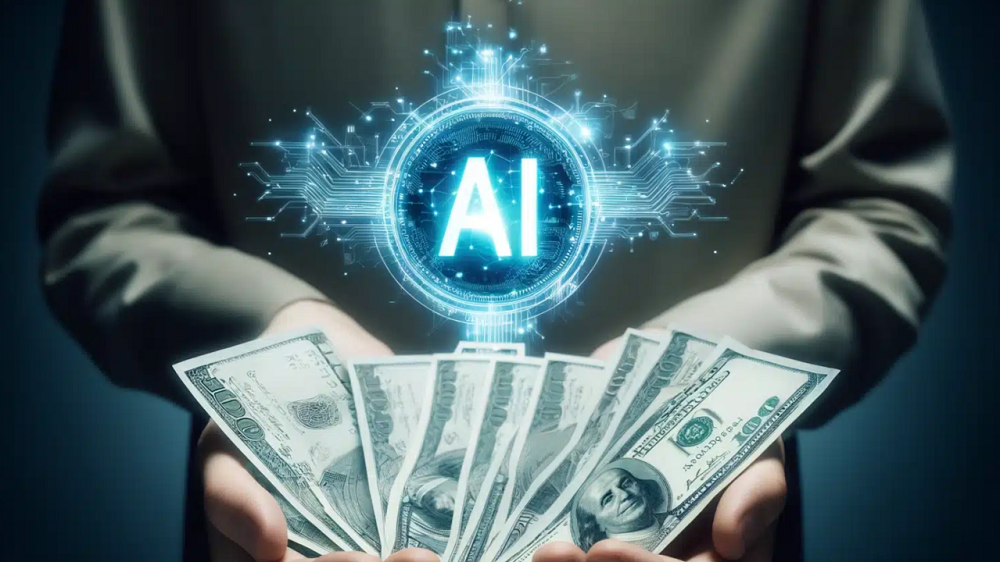
The US dollar has been generally robust for many years now because the US economy has grown more than others and, as a result, its assets have delivered more than others, particularly equities. Of course, there have been some big bumps along the way, with this year’s tariffs perhaps the biggest one of all. But, going forward, Steven Barrow, Head of Standard Bank G10 Strategy thinks that US growth and US asset returns will be the key. So will the US outperform and so lift the US dollar? It might, but his sense here is that the US has consciously, or not, narrowed its economic and financial outperformance to one sector: artificial intelligence.
For instance, this sector is currently helping to deliver some superb growth numbers that significantly outpace growth seen in any of the US’s developed-country peers. But while investment in AI booms, there are other sectors of the economy that look very weak, even recessionary. And, as for financial assets, AI-related stocks have lifted equities—and hence wealth—significantly. But here too there’s a dichotomy because the wealth from the stock market surge is concentrated at the higher end of the income scale while those lower down appear to be seeing their living standards decline.
In sum, it looks as if the US—and the fate of the US dollar—has gone all-in on the AI story. Clearly this could pay dividends, leading to a much stronger US dollar in 2026 and possibly beyond. But it could also leave the economy – and the US dollar – very exposed should the AI boom fizzle out, both in terms of its perceived growth and productivity advantages and its ability to help US stocks outperform peers.
The situation is not unlike the dot.com boom of the 1990s. That boom lifted the US dollar substantially through the 1990s in Steven Barrow's opinion but the crash in March 2000 also helped usher in a decade of weakness for the dollar through the 2000s. The slump in US stocks and the dollar back in the spring of this year may be a foretaste of what’s to come, although that carnage was caused by Trump’s tariffs, not an explosion in the AI boom.
In fact, the rebound in stocks from the spring and the surge in AI-related investment in the economy, particularly data centres, may suggest that the AI-related boom has a lot further to run yet before it blows out naturally or explodes because of overinvestment in both AI-related infrastructure, like data centers, and AI-related stocks by financial investors.
One thing we did seem to learn from this year was that global investors seemed reasonably comfortable being invested in the AI story even if they, temporarily at least, grew uncomfortable holding the dollars used to fund such stock purchases. In other words, for a time, investors chose to hedge more of their US dollar holdings, and it was this that seemed to account for much of the greenback’s slide during the spring. The episode showed that there can be a divide between sentiment towards US stocks and the US dollar. Part of this might have been due to the relatively high cost of hedging dollars, but that’s a cost that will fall as the Fed (likely) cuts rates further.
Nonetheless, it is certainly possible that AI-inspired growth and stock outperformance continue and even intensify in 2026, but the dollar does not join in the party because investors show a high preference for hedging. While that’s possible, we think it unlikely. If the US economy and stock market outperform due to AI-related factors, it seems likely that the dollar will rise as well. This makes the US dollar an AI bet. Would we take this bet?
Steven Barrow is not so sure. AI-related investment in the economy could blow itself out while the rest of the economy looks shaky. Another point is that other countries that are behind the US in the AI push could work harder to catch up. And then, of course, there’s the risk that the AI-generated stock bubble pops. “We can’t say if any of these things will happen, but while they are clear risks, we would be wary of trying to ride any AI-related US dollar surge through 2026 and beyond,” said Steven Barrow.
Author: NGOC ANH
RECOMMENDED TOPICS