VN
VN
 EN
EN
26/07/2026, 02:00
Investment
3 factors to impact the US dollar
The US dollar has started the week on a softer note. It is a theme that could endure as the currency faces a triple threat in coming weeks.
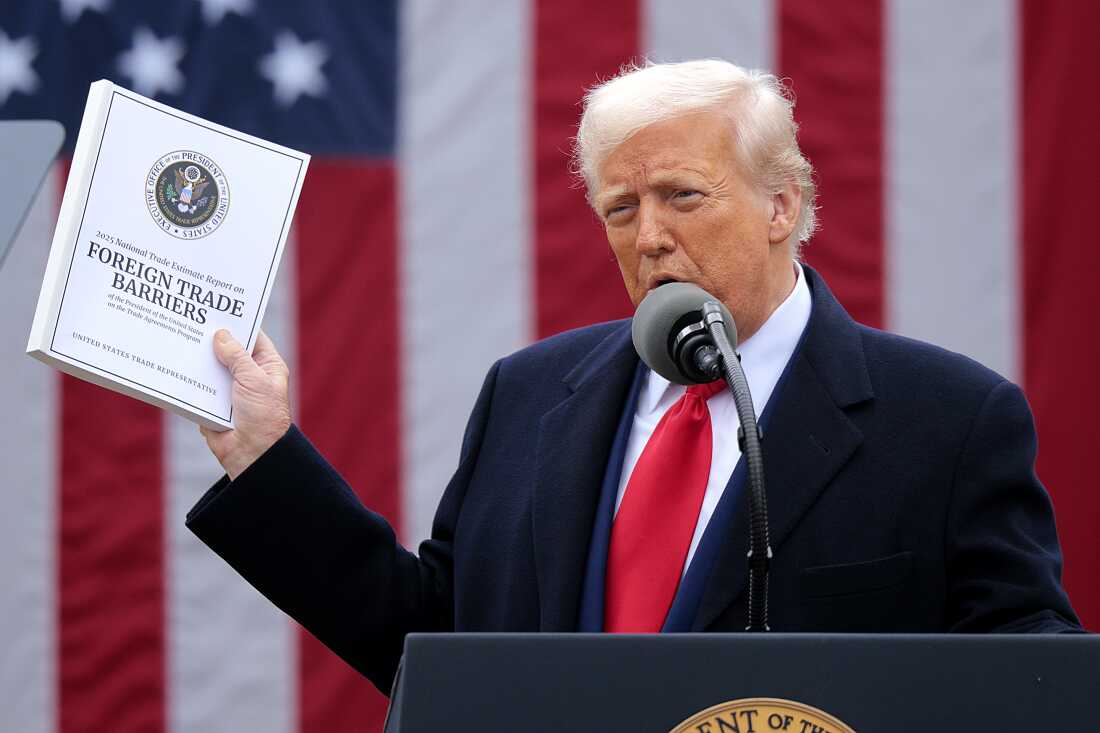
The Supreme Court’s decision on the president’s ability to use the International Emergency Economic Powers Act (IEEPA) is likely before the end of the year.
One is that the US Supreme Court rules against many of the president’s tariffs. The second is that Trump names White House Chief Economist Hassett as the new Fed Chair. And the third, which lies outside the US, is that the BoJ hikes rates on December 19th.
The Supreme Court’s decision on the president’s ability to use the International Emergency Economic Powers Act (IEEPA) is likely before the end of the year. Steven Barrow, Head of Standard Bank G10 Strategy expects it to rule the tariffs illegal, but it is not an easy call given that the majority of the judges are Republican appointees. While there are a number of reasons why many will argue that such a ruling is not a big deal, Steven Barrow would beg to differ. Amongst the excuses will be those that cite the other tariff legislation that Trump can use should the IEEPA route be prohibited by the Court. Another mitigating factor is that those countries that have made deals with the US, which include investment commitments, won’t renege on these deals even if the Court rules against Trump.
In addition, few will anticipate that the Treasury will pay back the billions of dollars raised from tariffs this year. And then there is the simple timing issue which posits that the Court decision may come so close to the end of the year that FX market lethargy will deaden any response. While we can see some merit in all of these excuses we still find it hard to believe that the illegality of a major plank of Trump’s policy will have few ramifications for the dollar over time, even if the initial reaction is dulled by poor FX market liquidity later in the year.
Another decision that seems likely before the end of the year is Trump’s pick for the next Fed chair. Current incumbent Jerome Powell gives up his post next May, but possibly not his seat on the Board of Governors. The Director of the National Economic Council, Kevin Hassett is said to be the leading candidate. We’d consider this to be the most concerning for the dollar bulls on a number of levels. The first, and most obvious, is his loyalty to Trump as the White House’s chief economist. A second is that he won’t stay quiet in the run up to the new job, and we already know that he favours lower rates. A third is his strong support for cryptocurrency.
By putting all of its eggs in the crypto basket, the Administration – and the Fed – leaves itself open should these markets fracture, particularly stablecoins. Once again, the naysayers will argue that there will be nothing to see should Hassett win the appointment. They will cite the fact that one person cannot rule the Fed when it comes to policy decisions, even if that person is the Chair. And again, we can see some merit in this argument, but Steven Barrow still believes that US dollar bears will cheer at the thought of a Hassett-led Fed.
The third potentially dollar-negative event this year could be a rate hike from the Bank of Japan at its meeting on December 19th. We have seen rate hikes from the BoJ lift the yen substantially against the US dollar in the past. Of course, the yen has tended to strengthen against other currencies as well, but the US dollar tends to take it particularly poorly which could reflect the unwinding of yen—funded carry trades in US bonds. A rate hike is certainly not a done-deal this week and the market is already around 80% priced for a 25-bps hike anyway. So, here as well, there are some mitigating factors that might help to keep the US dollar bulls invested even if a BoJ rate hike does occur. But, once again, we are wary. A rate hike, on top of an adverse ruling on tariffs and a Hassett-led Fed could just be the triple whammy that unseats the dollar. If not in the remaining weeks of this year, then certainly at the start of 2026.
Author: NGOC ANH
RECOMMENDED TOPICS