VN
VN
 EN
EN
09/07/2026, 11:15
Investment
Attracting foreign capital through cross-border M&A
Foreign capital flowing through cross-border M&A transactions ultimately seeks out companies with clear business performance, transparent governance, and a mindset ready to adapt and integrate into global standards and competition.
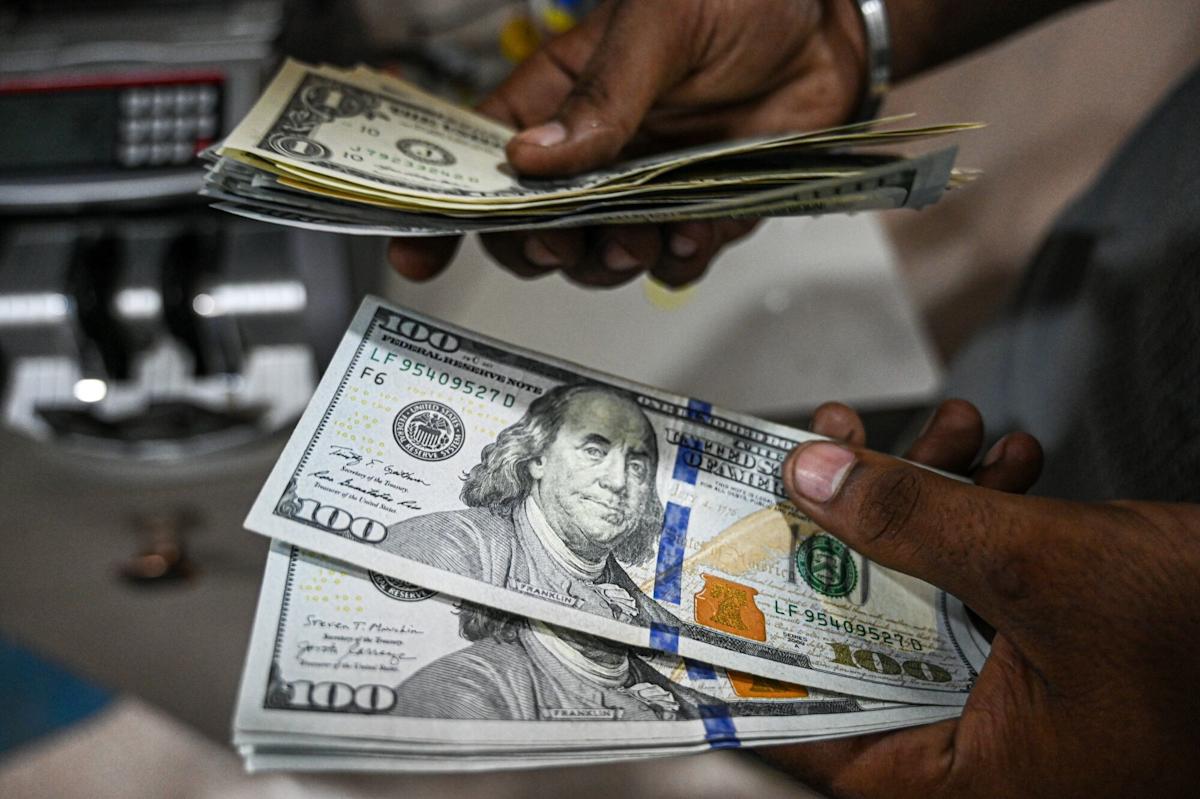
Amid heightened global economic volatility in 2026, cross-border M&A is increasingly viewed as a strategic lever enabling Vietnamese companies to move beyond the limits of the domestic market, access international capital, adopt global governance standards, and secure a stronger position within global value chains.
Strong Appeal From Key Sectors
According to Ho Quang Minh, Chairman of BCA Group, advisory experience shows that deals ranging from $2 million to $30 million represent the “sweet spot” of Vietnam’s M&A market. This is the segment where roughly 95% of small and medium-sized private enterprises have the most realistic access to international capital.
Unlike blockbuster transactions exceeding $100 million—often requiring government backing—the $2 million to $30 million range is a purely commercial arena. It strongly attracts individual billionaires, family offices, and mid-sized foreign financial institutions. Companies in this segment benefit from flexibility and faster decision-making—advantages that large conglomerates frequently lack. This dynamic has become a key driver of steady private FDI inflows into Vietnam.
Based on real-world deal flow and foreign investor selection criteria, five priority sectors are emerging.
First is real estate. Investors tend to prioritize projects with transparent legal status or companies specializing in asset restructuring and turnaround, aiming to minimize legal risk while optimizing cash-flow realization.
Second is technology, particularly companies that have successfully commercialized products, built stable customer bases, and demonstrated execution capacity and scalability—rather than those limited to conceptual ideas.
Third are healthcare and education—essential sectors characterized by resilient demand and relatively stable margins. In these areas, investors are willing to accept higher valuations for businesses with systematic governance, transparency, and strong risk-control frameworks.
Fourth is consumer goods and distribution, a segment rich in potential yet fiercely competitive. In practice, scale alone is insufficient to convince investors if operational efficiency does not match.
Fifth is financial services, including securities firms, asset managers, and consumer finance companies. Here, investors seek models capable of generating stable cash flows while leveraging international governance experience and financial product expertise.
Valuation Methodologies
From an investment-motive perspective, Minh noted that foreign investors commonly prioritize companies with strong EBITDA (earnings before interest, taxes, depreciation, and amortization), reflecting core cash-flow generation capacity, alongside synergy potential—whether through introducing new products, technologies, or international management expertise into the domestic market.
In 2025, M&A activity was most vibrant in real estate, banking and finance, healthcare, and energy. Vietnam, with its positive growth foundation and significant development headroom, remains an attractive destination for international investors.
For startups or industries prioritizing market-share expansion, revenue-based valuation is often preferred because it emphasizes growth velocity and market coverage. However, this approach carries the risk of overlooking weak cost governance.
Meanwhile, the discounted cash flow (DCF) method is typically applied to long-term projects. It accounts for the time value of money and future development plans but depends heavily on subjective assumptions.
“In reality, foreign investors don’t just look at size or growth narratives,” Minh emphasized. “They focus on cash-flow quality, operational efficiency, and long-term business sustainability. Typically, they examine actual performance over the most recent three years and may overlook intangible values. However, with proper negotiation, those intangible assets can still command a very high valuation.”
He recalled working with a business owner who had 31 years of experience in the coal industry. Having understood the market since the age of 18, the owner was not merely selling assets but selling “market leadership.” In such a case, the seller was fully justified in setting his own price because the investor understood they were acquiring irreplaceable strategic intellect.
Rebuilding Trust in M&A
On common pitfalls, Minh warned that inconsistent information is the fastest way to derail a deal. If financial data shifts repeatedly during a three- to six-month due-diligence process, investors will question integrity, push valuations sharply downward, or withdraw altogether. Vietnam witnessed a high-profile case in mid-2025 involving such discrepancies.
Another common mistake stems from what Minh described as the “beauty queen syndrome.” Some Vietnamese companies, upon receiving interest from multiple buyers, become complacent and raise valuations without corresponding growth or performance improvements. This behavior often triggers harmful market rumors, prompting professional advisors to steer clear.
From an investment-efficiency standpoint, foreign investors apply straightforward logic: an expected internal rate of return (IRR) of 15%–25%, plus roughly 5% currency risk, translating into a required total return of 20%–30%. This should serve as a wake-up call for CEOs whose companies generate revenue of VND 100 billion but only VND 1 billion in profit—a 1% margin, far below bank deposit rates.
In such cases, investors have every reason to question why they should risk capital in a cumbersome operating structure for returns inferior to risk-free assets. Except for startups deliberately “burning cash” to capture market share, low profitability generally results in immediate rejection at the screening stage.
Business owners must also shed the “seat-retention” mindset. Foreign investors typically demand at least 51% control in private enterprises and between 70% and 90% in listed companies, along with extended transition roadmaps. Patience is critical: some deals begin exploratory talks in April but remain in detailed negotiations by the following January.
During the first 12 to 18 months post-transaction, the focus is on cultural integration and process standardization. Former owners must be psychologically prepared to “work for” the very companies they once controlled, facing heightened expectations regarding professionalism, language proficiency, and international reporting standards.
Dang Van Thanh, Chairman of TTC Group, which entered the M&A market early, noted that Vietnam continues to attract international investors thanks to its positive growth outlook and expanding private-sector support policies. Notably, Politburo Resolution No. 68-NQ/TW dated May 4, 2025, has provided additional confidence and momentum for domestic enterprises.
However, to effectively absorb and leverage foreign capital, beyond the Government’s enabling role, Vietnam’s business community must proactively seek partnerships and continuously strengthen internal capabilities—from governance and finance to transparency.
Cross-border M&A is often likened to an international marriage. Ultimately, cultural compatibility and governance alignment—not merely capital inflows—are the keys to unlocking sustainable value creation after the deal closes.
Author: DIEM NGOC - TRUONG DANG
RELATED TOPICS
RECOMMENDED TOPICS