VN
VN
 EN
EN
06/07/2026, 02:38
Investment
Attracting next-generation FDI to drive national technological development
The combination of high-quality FDI and a growing domestic technology sector will form the foundation for improving productivity and building sustainable long-term growth momentum for Vietnam. So, attracting next-generation FDI to drive national technological development is needed.
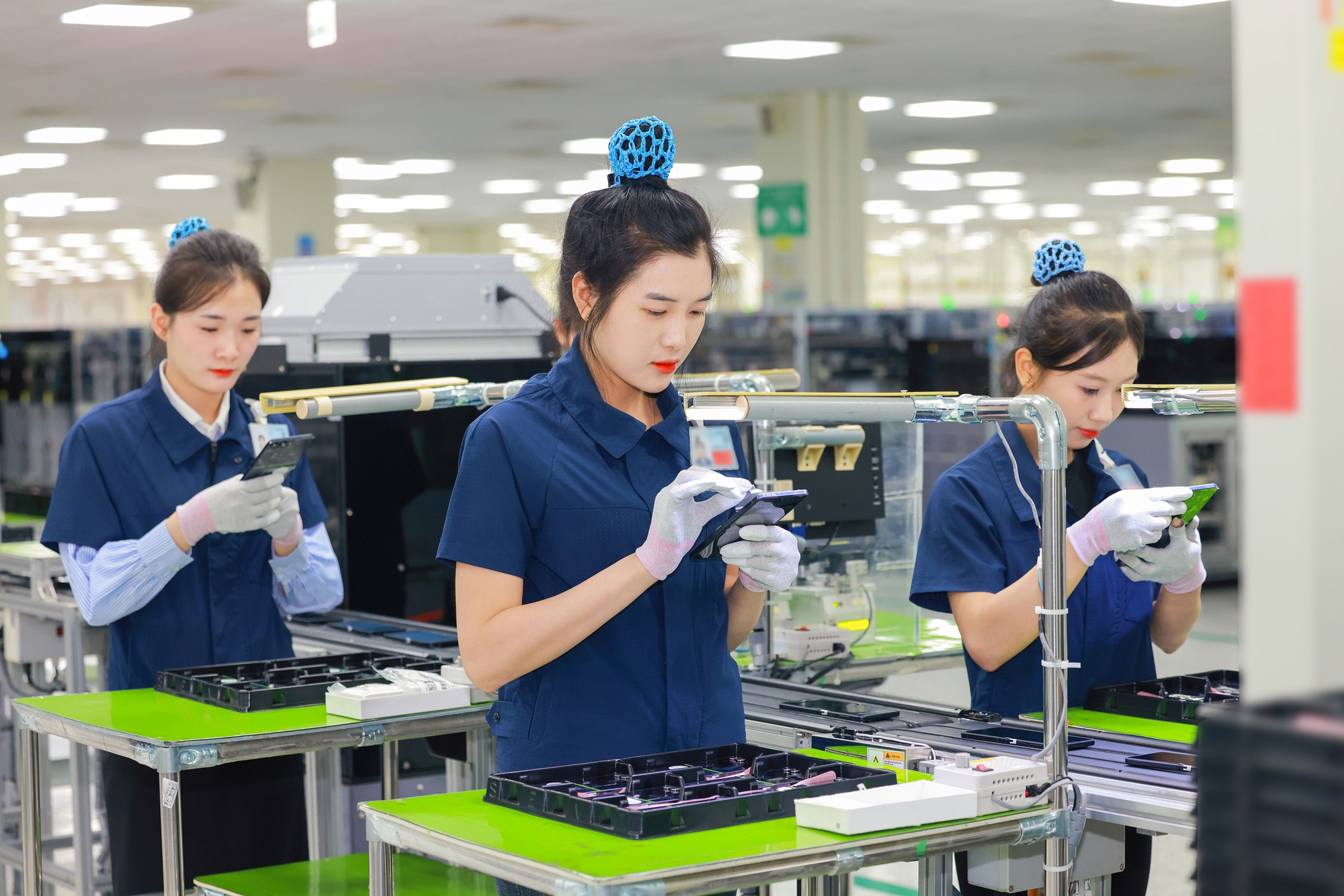
High-quality products made in Vietnam are being created by the hands and minds of Vietnamese workers.
Policy imperatives
Amid a profound restructuring of the global economy, countries’ competitive advantages are shifting away from low costs and tax incentives toward technological, innovation capacity, and quality of growth. For Vietnam, the growth model reliant on labor-intensive FDI and assembly-based manufacturing is showing its limitations, as productivity gains narrow, global minimum tax pressures intensify, and sustainability requirements become more pronounced.
This backdrop underscores the need to transition toward a higher value-added growth model. In this transition, attracting high-tech FDI plays a critical role, with a focus on capturing investment flows characterized by advanced technology, high environmental and governance standards, and participation in high-value segments of global production chains, particularly in high-tech manufacturing. At the same time, next-generation FDI attraction policies are expected to be closely linked to technology transfer requirements, higher localization ratios, and stronger linkages between FDI enterprises and domestic firms. The combination of high-quality FDI and a growing domestic technology sector will form the foundation for improving productivity and building sustainable long-term growth momentum for Vietnam.
Decree 20/2026, in synergy with the next-generation FDI Resolution, can enhance domestic enterprises’ capacity for international cooperation. Building on the National Assembly Resolution No. 198/2025/QH15, Decree No. 20/2026 provides guidance on special mechanisms and policies for private-sector development and introduces a range of incentives for the technology sectors. These include support for infrastructure development, R&D expenses, workforce training, technology experimentation (sandbox), and tax incentives. Such measures create a more enabling environment for domestic enterprises to cooperate with FDI firms, particularly in high-technology fields. Draft Resolution on the foreign-invested economy: Focus on high-tech FDI, localization, and technology transfer
In January 2026, the Prime Minister issued a directive calling for the acceleration of key tasks and priority measures to achieve Vietnam’s economic growth targets for 2026, with an emphasis on strengthening institutional frameworks to attract foreign direct investment (FDI) in the period ahead.
Although the Resolution has not yet been officially promulgated, MBS expects it to address several key policy pillars that warrant close attention, including: (1) the development of next-generation IPs integrated with logistics, clean energy, and digital infrastructure; (2) incentive mechanisms for FDI enterprises, with a focus on high-technology sectors, green standards, and ESG compliance; and (3) frameworks to strengthen linkages between FDI and domestic enterprises, including localization ratios and technology transfer requirements.
MBS Research observes that the Government’s overarching strategic message points toward a shift from quantity-based FDI attraction to high-quality FDI, anchored in technology, innovation, and sustainable development. This orientation is expected to shape industry structures and beneficiary sectors over the medium to long term. “The forthcoming Resolution is likely to create new opportunities for the IP sector, particularly developers with a competitive edge in attracting high-tech FDI. This will be followed by positive spillover effects for the technology sector, as domestic technology enterprises gain greater opportunities for collaboration and integration with high-tech FDI players," said MBS.
Vietnam in the global context
Vietnam benefits significantly from its extensive network of FTAs, supported by a flexible and pragmatic foreign policy. In terms of IP’s competitiveness, Vietnam retains traditional advantages such as low costs, affordable electricity prices, and land rental rates. As the global minimum tax regime gradually erodes cost-based advantages, Vietnam must adjust its investment attraction strategy, as higher value-added sectors such as technology, semiconductors, and electronics require stricter standards. These include standardized infrastructure, modern logistics systems, comprehensive support services, strong technology integration capabilities, and compliance with green and ESG standards.
To enhance Vietnam’s ability to attract high-tech FDI, MBS believes that several key policy pillars will be implemented through the forthcoming Resolution on the foreign-invested economy (currently under preparation), creating medium- to long-term growth momentum for the country:
First, development of next-generation IPs integrated with logistics, clean energy, and digital infrastructure. In addition to infrastructure development, the IP sector needs to build a legal framework for green and eco-industrial parks, establish a national FDI data mechanism, strengthen the role of e-government, and shorten investment timelines.
Second, incentive mechanisms for FDI, with a focus on high technology and ESG compliance, are needed: Tax incentives for R&D activities, developing special incentive packages for high-tech and semiconductors, and enhancing the value of IP through clean electricity supply (DPPA mechanisms), worker housing, water treatment systems, and digital infrastructure (DC).
Third, strengthening linkages between FDI and domestic enterprises through localization and technology transfer. If effectively designed, such mechanisms could represent a major breakthrough, enabling domestic enterprises to move up the value chain. The Government is expected to strengthen private-sector capabilities and develop high-quality talent to enhance readiness for international cooperation and participation in global value chains. In terms of diversified collaboration channels, it depends on the capabilities of Vietnamese enterprises, including (1) outsourcing and local vendor participation, such as infrastructure construction, IT services, and O&M; (2) equity-based joint ventures, for example, in IP, energy, and DC projects; and (3) technology transfer, establishment of R&D centers, and joint training of engineers, the most challenging yet highest-value cooperation channel, with the potential to build indigenous capabilities and elevate Vietnam’s national competitiveness.
Author: NGOC ANH
RECOMMENDED TOPICS