VN
VN
 EN
EN
09/07/2026, 11:15
Investment
A separate mechanism needed to develop rental housing
Developing social housing for rent is increasingly being viewed as an important solution to meet genuine housing demand, curb speculation, and expand access to affordable accommodation for low-income groups.
During a working session with the Government Party Committee on the implementation of Directive 34 of the Party Central Committee’s Secretariat regarding strengthened leadership in social housing development under the new context, General Secretary and President Tô Lâm pointed to policy abuse and profiteering in the social housing sector, including the emergence of so-called “diplomatic slots” and “external relations quotas” being sold for profit, effectively turning social housing into a speculative asset.
The establishment of a Central Housing Fund is expected to create an additional long-term financial source for the development of social housing and rental housing.
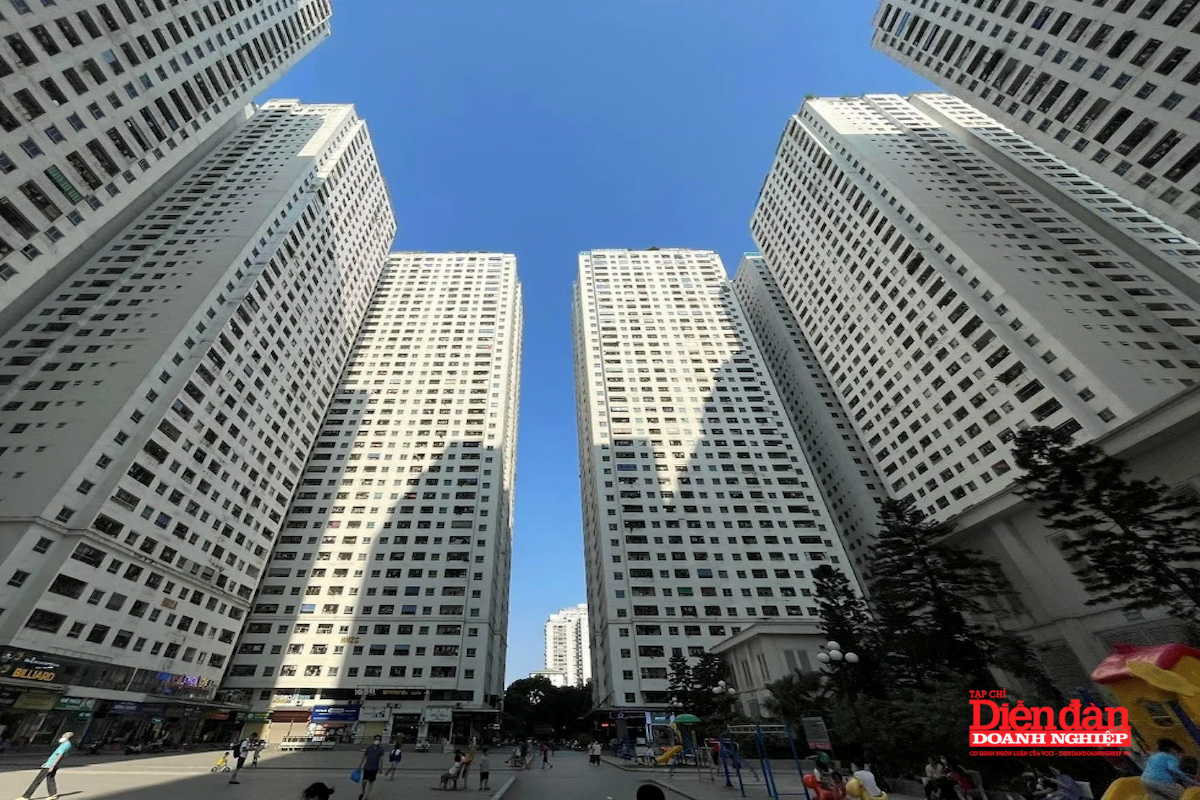
Demand for rental housing is rising in major cities as a large share of workers still lack the financial capacity to purchase homes.
Rising demand for rental housing
According to the proposed direction, housing policy in the new phase needs to be designed with a longer-term mindset, in which rental housing becomes a strategic pillar of the urban social welfare system.
At present, nearly 800 social housing projects are being implemented nationwide, with a total scale of more than 720,000 units. However, only around 42,000 apartments are designated for rent, indicating that supply remains heavily concentrated in the for-sale segment.
In major urban centers, demand for rental housing is increasing as many workers are unable to accumulate enough savings to buy homes. Meanwhile, the supply of affordable rental housing remains limited.
Most workers currently rent cramped rooms in informal boarding houses or mini apartment blocks converted from private homes in narrow alleys. As a result, living standards, infrastructure quality, and safety conditions remain inadequate.
According to the Ministry of Construction, the structure of social housing supply remains heavily skewed toward homeownership, despite growing rental demand in urban areas and industrial zones. The ministry therefore called for stronger development of long-term social rental housing with affordable pricing, aimed at young workers, factory employees, and urban migrants.
Dr. Cấn Văn Lực, Chief Economist at the Bank for Investment and Development of Vietnam (BIDV) and member of the National Financial and Monetary Policy Advisory Council, said the Vietnamese property market is currently facing a serious shortage of affordable housing and rental social housing.
“The biggest bottleneck at the moment is financing,” he said. “Rental housing has a long capital recovery cycle, while developers mainly rely on short-term commercial loans with high interest rates. Without stable medium- and long-term financing, it will be very difficult to encourage businesses to participate.”
Many social housing projects in Hanoi have recently recorded sharp increases in resale prices on the secondary market.
The economist also argued that social rental housing should be treated as part of labor infrastructure and urban welfare infrastructure, rather than merely as a conventional real estate business activity.
.png)
The current structure of social housing supply remains heavily tilted toward units for sale, despite surging rental demand.
A dedicated mechanism is needed
According to experts, one reason why social rental housing has developed slowly is that current policies still focus more on supporting homebuyers than supporting rental models. Yet with increasingly flexible income patterns and labor mobility, not all workers want or are able to own homes immediately.
Associate Professor Dr. Trần Đình Thiên, former Director of the Vietnam Institute of Economics, said rapid urbanization will drive more flexible labor mobility, thereby increasing rental housing demand in major economic centers.
Housing policy in the next phase should shift away from the mindset that “everyone must own a home” toward ensuring that all citizens have access to suitable, stable, and safe accommodation.
Experts said that to significantly expand rental housing, Vietnam needs a separate policy framework instead of simply integrating it into the existing social housing mechanism. One key solution would be the creation of long-term credit packages with stable interest rates for developers investing in rental housing projects. Loan terms should be long enough to match the capital recovery cycle of this segment.
In addition, tax incentives related to land use, corporate income tax, land rent, and infrastructure costs should be introduced to offset constrained profit margins.
Some experts also proposed allowing businesses to participate in public-private partnership models for rental housing development, particularly in industrial parks, export processing zones, and suburban areas surrounding major cities.
Phạm Đức Toản, CEO of EZ Property Investment and Development, said current policies should focus on encouraging projects that deliver tangible social welfare benefits, especially social housing and reasonably priced commercial rental housing.
Beyond financing and incentives, many experts stressed that transparent management mechanisms for social rental housing are equally important in preventing speculation and policy abuse.
Under such proposals, tenant eligibility assessments should be digitized and linked across databases to monitor income levels, housing conditions, and actual occupancy status. Authorities should also strengthen post-occupancy inspections to prevent illegal subleasing, quota trading, or misuse of housing units.
As urbanization continues to accelerate, many analysts believe rental housing should no longer be treated as a temporary solution, but rather as a long-term pillar of national housing policy.
If implemented effectively, such a strategy could provide a sustainable solution to housing access for low-income groups, while also contributing to a more balanced real estate market, reducing speculative pressure, and supporting sustainable urban development.
Author: VI ANH - TRUONG DANG
RELATED TOPICS
RECOMMENDED TOPICS