VN
VN
 EN
EN
15/07/2026, 10:39
Investment
Expanding capital channels for rental housing development
To form a large-scale rental housing market, the deciding factor is not demand, but finding long-term, low-cost capital sources.
According to Dr. Le Xuan Nghia - former Vice Chairman of the National Financial Supervisory Commission, developing social housing or rental housing shares a common characteristic: they both require a massive amount of investment capital, while the payback period stretches over decades. This makes it difficult for the model to rely on bank credit in the way the real estate market currently operates.
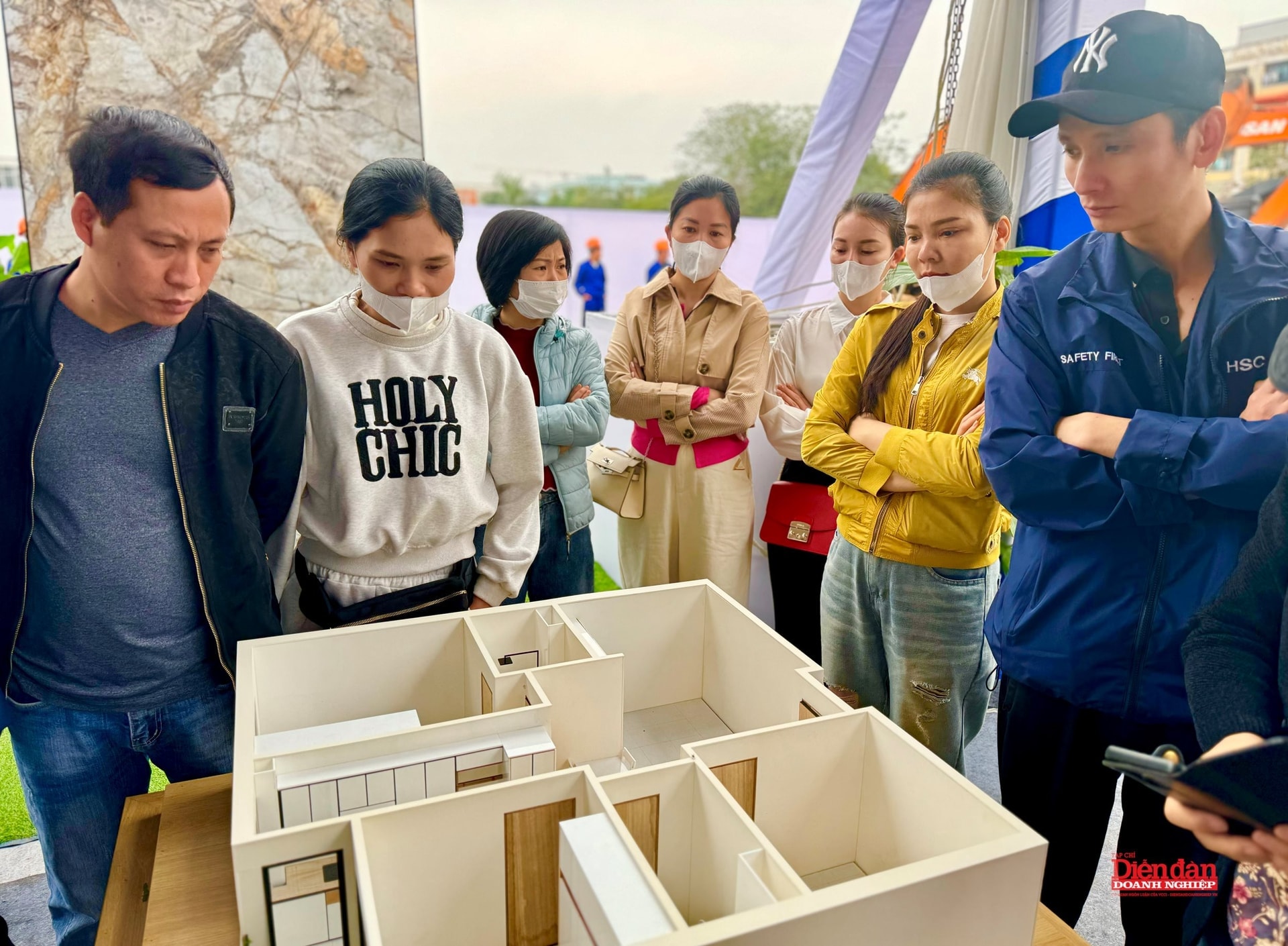
Large-scale rental housing development requires long-term capital and reasonable interest rates. Photo: LV
Developing large-scale rental housing requires long-term capital and reasonable interest rates, while bank credit can hardly meet this due to a maturity mismatch in funds.
State Budget is Only "Seed Capital"
Mr. Nghia analyzed that the current banking system is facing a maturity mismatch, as it primarily raises short-term funds but has to lend them out for medium and long terms. In a context where deposit rates remain high, banks cannot maintain long-term loans at low interest rates without support from the state budget.
The actual implementation of the VND 145,000 billion preferential credit package for social housing is a clear testament to this. After more than three years of implementation, the disbursement rate has only reached about 2%, showing that expecting preferential credit to be the main source of capital is highly unfeasible.
According to Dr. Le Xuan Nghia, if Vietnam wants to build a sufficiently large rental housing market foundation to meet social needs within the next 10 years, it must change its approach to funding sources. Instead of waiting for preferential credit packages, it needs to utilize public investment capital and the Government's financial resources.
He argued that only Government bonds have the capacity to mobilize long-term capital of around 20 years at a low cost of capital, about 3-4% per year. This is also the method that many countries around the world have used to develop their rental housing systems.
Sharing the same perspective, Prof. Dr. Hoang Van Cuong - Member of the National Assembly's Finance and Budget Committee, stated that the rental housing market cannot develop if it relies solely on the State or only waits for the private sector. The crucial element is to form a coordination mechanism between the two sectors.
According to Mr. Cuong, the State needs to focus on urban planning, land fund allocation, infrastructure investment, and formulating preferential policies on taxes as well as credit. However, the deciding factor remains building a mechanism to mobilize social capital into this sector.
This expert emphasized that instead of continuing to depend on bank credit or the state budget, Vietnam needs to study and develop long-term financial instruments such as real estate investment funds. Once the legal framework is finalized and capital sources are diversified, businesses will have enough motivation to participate in developing quality rental housing projects.
Expanding Capital Mobilization Channels
According to the Vietnam Association of Realtors Market Research and Evaluation Institute (VARS IRE), the State needs to play the role of creating mechanisms and coordinating resources, especially in planning, land funds, finance, controlling rental prices, and ensuring the correct beneficiaries of the policy.
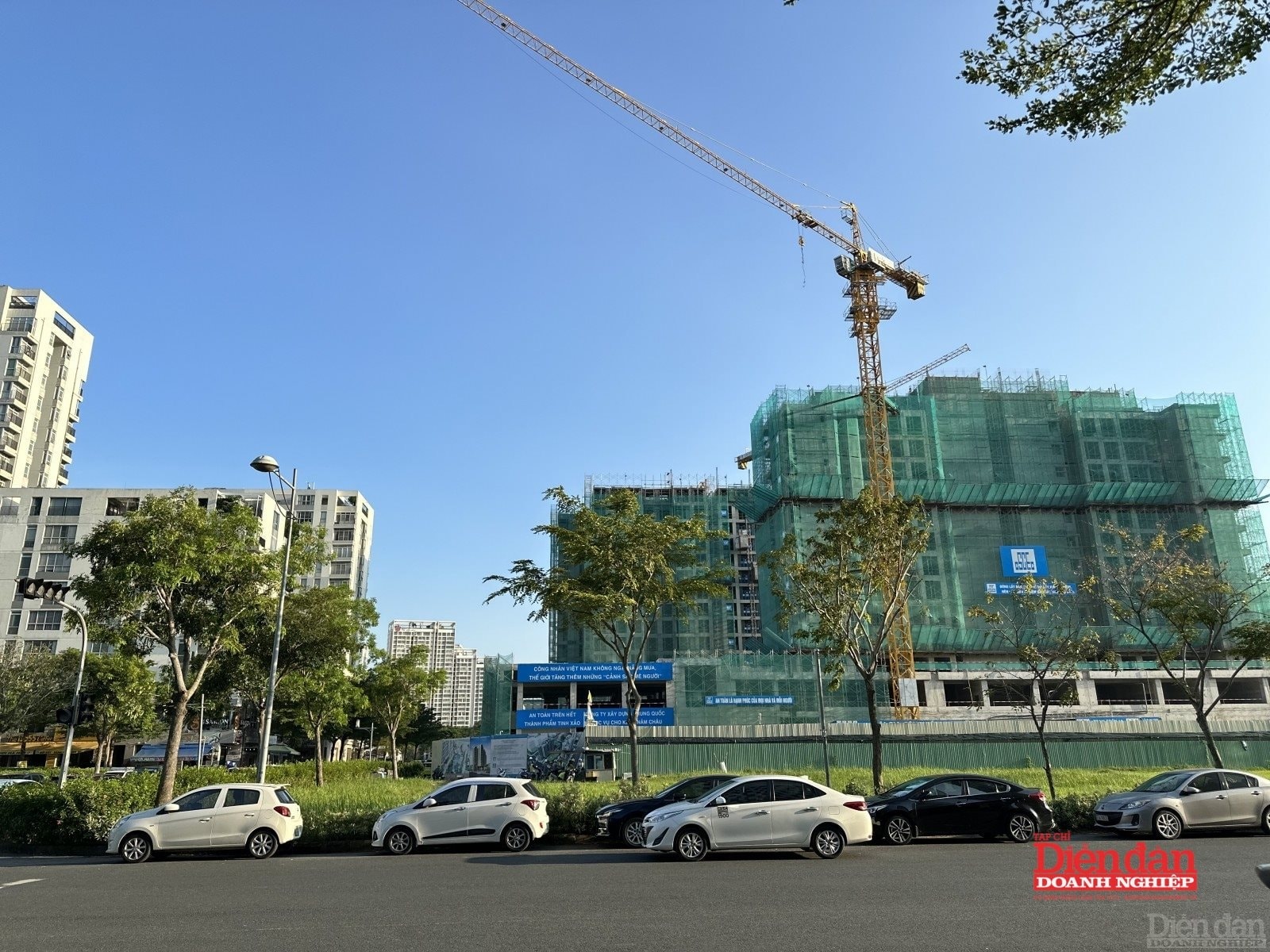
It is necessary to diversify capital sources through the state budget, Government bonds, and real estate investment funds to build a sustainably developing rental housing market. Photo: LV
Accordingly, the State could consider allowing extensions on land use fee payments, exempting or reducing a portion of financial obligations during the initial years of operation, or applying a payment mechanism based on the project's exploitation progress. Developers would fully execute their financial obligations according to a committed roadmap once occupancy rates and rental revenues stabilize.
In addition, a flexible conversion mechanism between renting and selling also needs to be studied. For the portion of the area converted to sales, the developer must complete all financial obligations regarding the land before entering transactions. Meanwhile, the portion maintained for long-term lease can apply a land payment mechanism based on exploitation progress.
According to VARS IRE, international experience shows that the deciding factor for the success of the rental housing model does not lie in capping corporate profits, but in the ability to access long-term capital at low costs.
Instead of applying a fixed profit margin, a mechanism should be built to determine the rate of return based on market principles, using a reference capital interest rate plus a reasonable risk premium. When the cost of capital decreases, the expected profit of the enterprise also decreases accordingly; conversely, when interest rates rise, this mechanism still helps the project maintain financial feasibility.
Meanwhile, according to Mr. Phan Le Thanh Long - CEO of AFA Group, to build a large-scale rental housing market, the formation of Real Estate Investment Trusts (REITs) is a direction that needs serious study.
According to Mr. Phan Le Thanh Long, in many countries, after securing a clean land fund and an appropriate project, developers will "securitize" the project into REITs, then list the fund certificates on the stock market to mobilize capital from the investment community.
Through this model, even small retail investors can contribute capital to the rental housing market without needing to directly own the real estate.
Author: DIEU HOA - TRUONG DANG
RELATED TOPICS
RECOMMENDED TOPICS