VN
VN
 EN
EN
20/07/2026, 14:32
Legal environment
Filling the policy gaps in hospitality real estate
The legal framework for hospitality real estate has been significantly improved, yet many gaps remain regarding operational management, profit-sharing mechanisms, and investor protection.
Sharing thoughts on the current state of this market, Ms. Hoang Thu Hang - Deputy Director of the Department of Housing and Real Estate Market Management (Ministry of Construction) stated that resort tourism real estate has developed rapidly over many years. However, the market's growth rate has outpaced the legal framework, leading to numerous complications in management and operation.
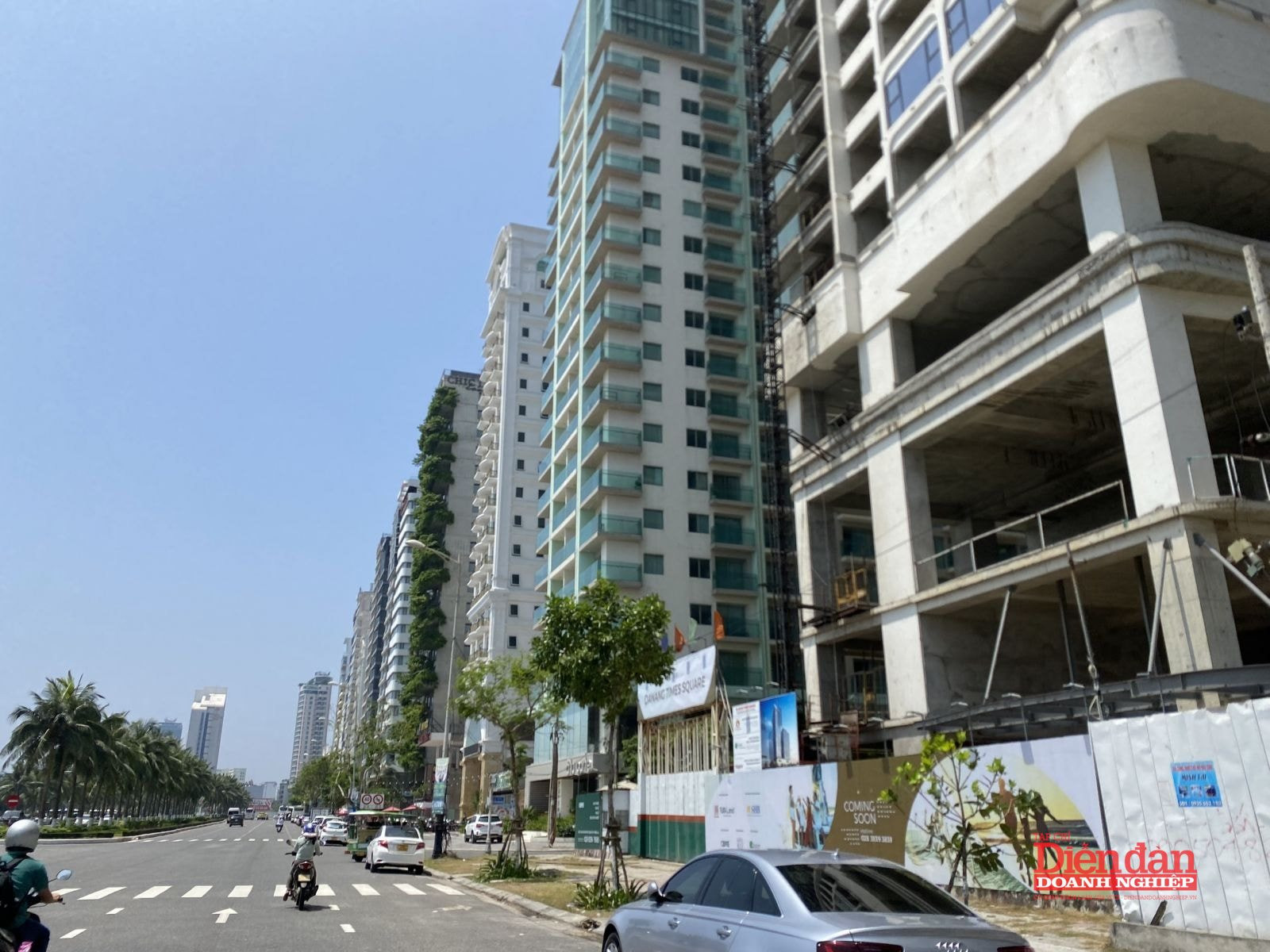
Operational management and post-investment supervision mechanisms for hospitality real estate still face many gaps that need to be filled. Photo: DH
Numerous Legal Gaps
According to Ms. Hang, the issuance of the new Land Law and Law on Real Estate Business has established a relatively comprehensive legal corridor for hospitality real estate. Notably, the Land Law clearly defines the land-use regime for tourism and resort projects, categorizing the land used to build these structures under the commercial and service land group.
Nevertheless, after projects are completed and put into operation, many issues remain inadequately regulated. The representative from the Ministry of Construction pointed out that the mechanisms for managing, operating, and exploiting hospitality real estate developments still suffer from "gaps" that require further research and refinement in the coming time.
One prominent issue is the emergence of new business models. Previously, developers primarily built and directly leased out properties before transitioning to selling them. Now, many businesses combine selling products with commitments to lease them back or share profits to boost attractiveness for investors.
According to Ms. Hoang Thu Hang, this is a civil relationship between the developer and the customer. However, given the rapid growth of this model, regulatory authorities are researching policy solutions to safeguard the legitimate rights and interests of all parties, while enhancing supervision mechanisms for the commitments made by enterprises.
Tightening Profit Commitment Mechanisms
Sharing the same perspective, Mr. Nguyen Dinh Tho - Deputy Director of the Institute of Strategy and Policy for Agriculture and Rural Development (Ministry of Agriculture and Rural Development) argued that one of the major issues affecting investor confidence is the mechanism for profit allocation and operational costs in resort projects.

Experts propose increasing information transparency, disclosing financial statements, and profit-sharing mechanisms to protect hospitality real estate investors.
According to Mr. Tho, after selling the products, many developers continue to levy quite high annual fees, including operational management fees, infrastructure maintenance, security, usage of shared amenities, and branding fees.
What is worth noting is that many investors do not clearly understand the actual operational costs, how the revenue is allocated, or whether the decisions regarding these expenses are transparent.
Mr. Nguyen Dinh Tho stated that the legal gap regarding the ceiling limit for management costs also exposes buyers to numerous risks.
According to the expert, in essence, many current condotel or resort villa projects are not merely real estate transactions but function as capital mobilization. Buyers invest with the expectation of receiving profits from future operations, similar to shareholders contributing capital to a company to enjoy dividends and expecting asset value appreciation.
However, the mechanisms for information disclosure, corporate governance, and supervision do not yet reflect the true nature of this investment form. From that reality, Mr. Nguyen Dinh Tho proposed researching investment fund models or similar financial structures to manage capital mobilization activities for hospitality real estate.
Accordingly, if a project has hundreds of investors contributing capital together, it could be treated similarly to a corporation with multiple shareholders. Developers would need to implement periodic information disclosure, financial reporting, auditing, and practice transparency in operations, similar to the stock market.
Mr. Tho believed that this is a solution that would both protect the rights of buyers and create a healthy competitive environment for transparently operating businesses, while preventing legal business models from being equated with fraudulent activities or illegal capital mobilization.
Author: DIEU HOA - TRUONG DANG
RELATED TOPICS
RECOMMENDED TOPICS