VN
VN
 EN
EN
16/07/2026, 02:38
Investment
HCMC Real Estate: Increasing Liquiditiy Drives Clear Market Segmentation
HCMC’s real estate market enters 2026 on solid macroeconomic foundations, supported by GDP growth of 8% and FDI inflows of US$38.4 billion. However, performance is increasingly diverging across property sectors.
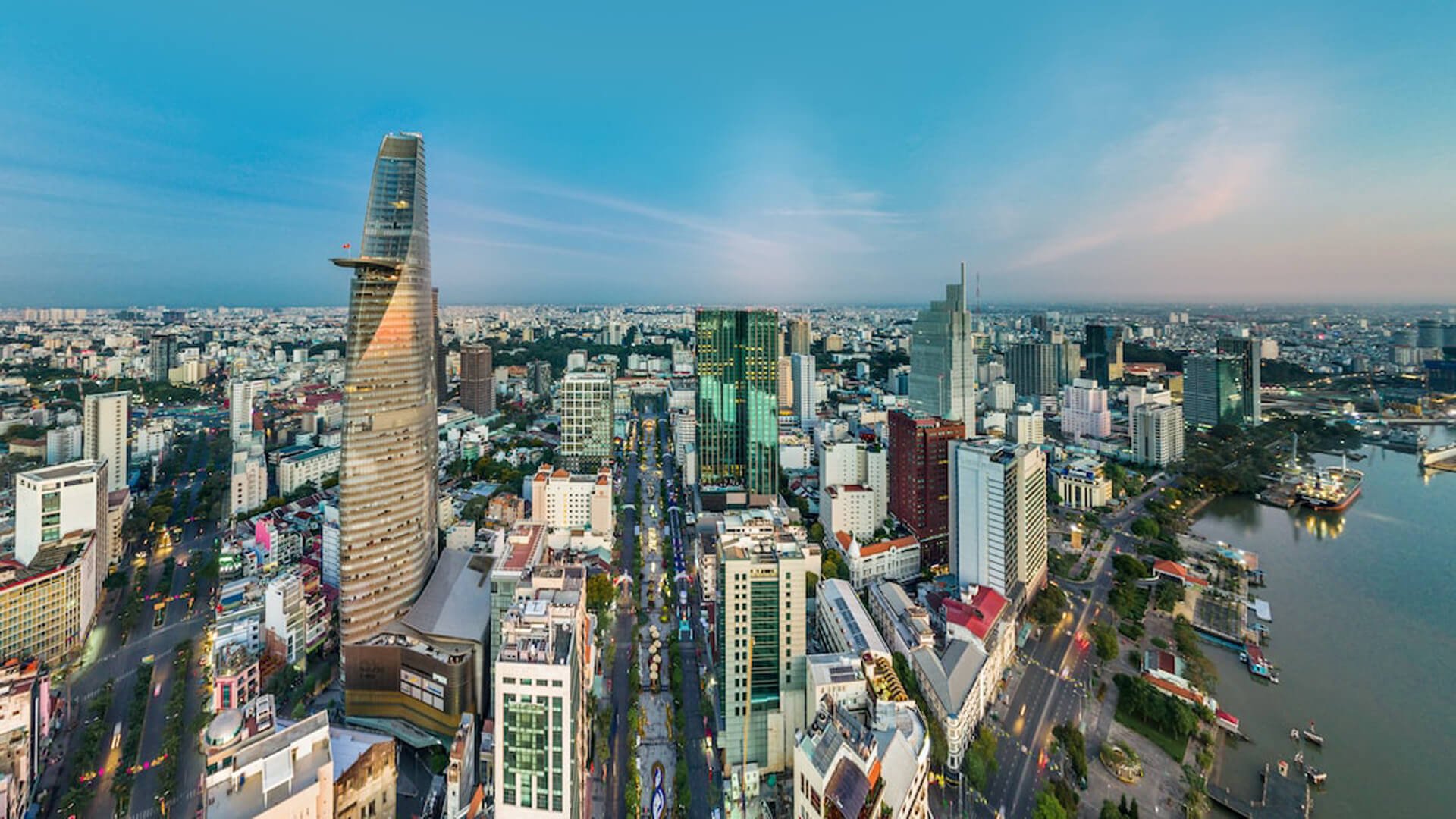
HCMC’s real estate market enters 2026 on solid macroeconomic foundations, supported by GDP growth of 8% and FDI inflows of US$38.4 billion.
Residential supply constraints and high prices persist, while commercial real estate continues to record healthy occupancy backed by stable leasing demand. At the same time, the hospitality sector is seeing operational improvements, supported by a strong recovery in tourism.
Market performance in 2025 indicated that liquidity has returned across multiple sectors, specifically in apartments, which recorded the highest absorption in five years. Office and retail maintained solid occupancy levels, while hotels and serviced apartments saw noticeable improvements in visitors and rentals. These signals lay the groundwork for a phase of selective growth in the coming years, with a strong emphasis on quality standards and a clearer shift of new supply toward non-central districts.
FiveYear High in Liquidity, with Market Polarisation Increasing
Until 2028, HCMC will add 58,000 apartments from 80 projects, with the Eastern area accounting for 50% and maintaining a leading role in market expansion. However, in the short term, new supply is expected to remain constrained, while prices are forecast to stay elevated.
In the villa and townhouse segment, new supply surged to 4,100 units in 2025, lifting primary stock to 4,800 units, a 397% YoY increase. Transaction volumes reached 2,000 units, reflecting solid demand for largescale township projects, particularly in suburban locations. Average prices stood at VND 233 million per sq m of land, declining YoY as new supply was increasingly concentrated in noncentral districts with lower price levels than the city centre.
This suburban shift is expected to continue, with around 15,500 units scheduled for launch from 22 projects, approximately 90% of which are located in outer districts such as Can Gio, Binh Chanh, Nha Be, and District 12.
Commenting on the market, Troy Griffiths, Deputy Managing Director of Savills Vietnam, noted that “supply and liquidity are recovering strongly, while elevated price levels continue to drive clear segmentation across the market.”
The apartment sector in 2025 recorded a notable recovery with 11,500 transactions, pushing absorption to 82%, the highest level in five years. In Q4/2025, 5,000 transactions were recorded, indicating clear momentum and the average primary price reached VND 102 million per sq m.
Notably, units priced above VND 110 million per sq m accounted for 56%, while products below VND 50 million per sq m totalled 12%. This imbalance is increasingly prompting buyers to shift their budgets toward satellite areas and large-scale integrated townships with better planning.
Commercial: Stable Occupancy, Upgraded Supply Standards
In 2026, HCMC’s office market is expected to add 53,684 sq m from seven projects, with the Grade A project The Kross holding the majority (61%). By 2028, the market will see an additional 173,402 sq m from 13 projects, concentrated in District 1 (46%), followed by District 7 (34%) and District 9 (15%). Future supply is expected to focus on higher quality standards, supporting a healthy competitive environment and sustainable market growth.
Positive performance in 2025 provides a strong foundation for the coming period, as the market recorded over 127,000 sq m of net absorption, the highest level in three years. The IT sector accounted for 35% of total new leasing transactions and continues to be a key driver. Average rents across the market increased by 6% YoY, reflecting stable demand and the ongoing trend of workspace upgrades. The entry of new Grade A developments such as Saigon Marina IFC has expanded tenant options and contributed to raising the overall quality standard of office supply in the CBD.
In retail, the market will add 46,460 sq m by 2028, with 61% of new supply located outside the city center. This relatively limited pipeline is expected to support both occupancy and rental performance. In 2025, total retail stock reached 1.6 million sq m, with occupancy improving to 94% in Q4/2025. Ground-floor rents increased by 2% QoQ, supported by healthy absorption and strengthening domestic consumption. F&B, fashion, and entertainment brands continued to lead leasing demand, particularly in non-central areas where rentals remain more competitive.
Performance Improves on Tourism Recovery
HCMC aims to welcome 11 million international visitors and 50 million domestic travelers, targeting tourism revenue of VND 330 trillion. Meanwhile, the hotel market is expected to add only 636 rooms from four projects by 2028, all in District 1, indicating a relatively limited future pipeline.
For serviced apartments, the market is expected to add 1,500 units from 10 projects by 2028, with 1,200 units in the surrounding area of District 1. This continued concentration of supply in the urban core is expected to reinforce the competitive advantage of the central districts.
Neil MacGregor, Managing Director of Savills Vietnam, states, “HCMC’s serviced apartment market has maintained stability as demand continues to improve, driving occupancy and rental growth. Central locations remain resilient, and future supply is increasingly concentrated in these prime areas.”
This outlook is supported by a strong recovery in 2025, with international arrivals reaching 8.5 million. Average hotel occupancy stood at 68% for the year and increased to 78% in Q4/2025 during the peak travel season. The serviced apartment segment also performed well, recording 83% occupancy in Q4/2025 alongside YoY rental growth.
According to Savills Vietnam, this year the market will continue diverging across segments and locations, rather than entering a broad-based recovery cycle.
Author: Ngoc Anh
RECOMMENDED TOPICS