VN
VN
 EN
EN
09/07/2026, 11:15
Investment
How stagflation risks impact the euro
Stagflation risks are high in the eurozone as a result of the conflict in Iran and the surge in oil prices. This puts the ECB in a bind and the euro at risk.
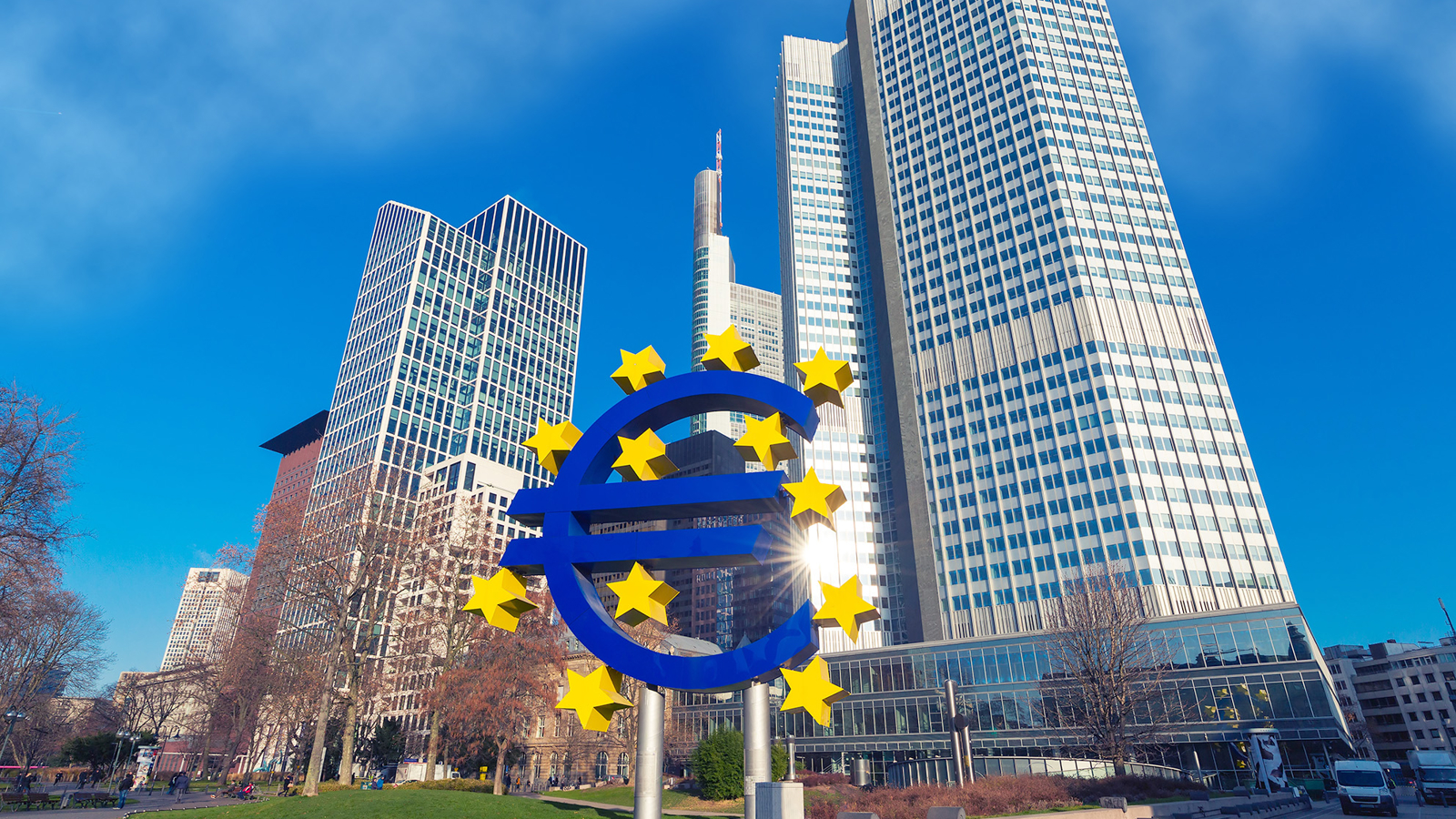
Stagflation risks are high in the euro zone as a result of the conflict in Iran and the surge in oil prices.
It had appeared that the euro zone economy was developing some momentum ahead of the conflict in Iran, but that’s rather been stopped in its tracks. Of course, some of the positive factors that had led to brighter growth hopes at the start of the year will remain in place, such as increased defence spending and notable fiscal easing in Germany, but these stimuli will likely be counterbalanced by the adverse effects of the war in Iran and consequent surge in energy prices.
In all, we see growth coming in at 0.7% this year which is two tenths lower than the ECB’s forecast from March and the median forecast of analysts in the Bloomberg survey. The ECB’s forecast is partly based on the assumption that oil prices reach USD90pb in Q2 and then start to retreat. An alternative scenario from the Bank puts growth 0.3% points lower than the base case if oil reaches USD120bn and gas prices effectively double in Q2 before easing, and 0.5% points lower should oil touch USD140pb in Q2 with gas prices near trebling.
Needless to say, these so-called ‘alternative’ and ‘severe’ scenarios also come with higher inflation risks according to the ECB. Inflation is 0.9% points higher than the base case in the alternative scenario and 1.8% points higher under the severe scenario. The base case puts inflation this year at 2.6%. At the moment, the ECB believes that the economy lies somewhere in between the base case and the adverse scenario.
Steven Barrow, Head Strategist of the Standard Bank leans to the view that the base case is more likely as we assume that the US and Iran will somehow find a way out of this mess without a significant escalation of energy prices. This being said, the longevity of oil prices staying close to current levels (around USD107pb for WTI at the time of writing) seems to be stretching out all the time as peace talks stagger on. The combination of weaker growth and higher inflation puts the ECB in a bind.
Steven Barrow believes that policy rates will definitely be increased if the Bank signals that the adverse scenario is now the base case. For while growth is lower than the base case in this scenario, the ECB’s target is inflation, not growth and we believe that the ECB will want to act preemptively to prevent any uncomfortable rise in inflation expectations.
In fact, rates could still rise even if the base case remains the more likely outcome according to the ECB. This is because the Bank won’t want to be caught out in the same way as it was back in 2021 and 2022 when inflation surged and the ECB fell behind the curve. Admittedly, the context of the 2021/22 inflation surge was different. While it was partly caused by surging energy prices resulting from Russia’s invasion of Ukraine in early 2022, there were added problems caused by global supply chain stresses and returning consumer demand as the restrictions imposed during Covid were lifted.
We should also note that the rise in energy prices in 2022 was far greater than now, as reflected in the Eurozone's terms of trade deterioration. But while nobody expects euro zone inflation to scale 10% again, as it did in 2022, the danger is that inflation expectations could have become de-anchored after such a huge policy failing by the ECB, and that puts the emphasis on the bank to act quickly now but in a limited way to keep expectations in check. The market is priced for two 25-bps rate hikes, and we feel that this is reasonable, starting with the June meeting.
ECB rate hikes at a time when the Fed is reticent to follow suit might point to a rise in euro/dollar. But the key here is not the monetary policy implications of the war but, instead, the fact that the consequent surge in energy prices has hit the euro area’s terms of trade relative to the US. “We saw how this weakened the euro when it happened in 2022. We don’t see a full repeat this time as the deterioration in the terms of trade is milder. Nonetheless, the euro is expected to cede some ground in trade-weighted terms as well as trade at the bottom end of recent ranges against the dollar before clambering higher over the long haul as the energy shock fades”, said Steven Barrow.
Author: NGOC ANH
RECOMMENDED TOPICS