VN
VN
 EN
EN
09/07/2026, 11:15
Investment
Hung Yen: The finance sector must stay one step ahead in advising on growth
Proactively advising on financial and budget administration, unlocking resources and creating room for development are key requirements for the finance sector in contributing to Hung Yen’s 2026 economic growth targets.
This was the request made by Chairman of the Hung Yen Provincial People’s Committee Nguyen Mang Quyen during a recent working session with the Department of Finance regarding the implementation of assigned functions and tasks related to the second-quarter and full-year 2026 growth scenario; the 2026 public investment plan and the 2026–2030 period; budget administration plans; management and handling of public assets after administrative restructuring; off-budget investment; and the review of delayed projects, among other issues.
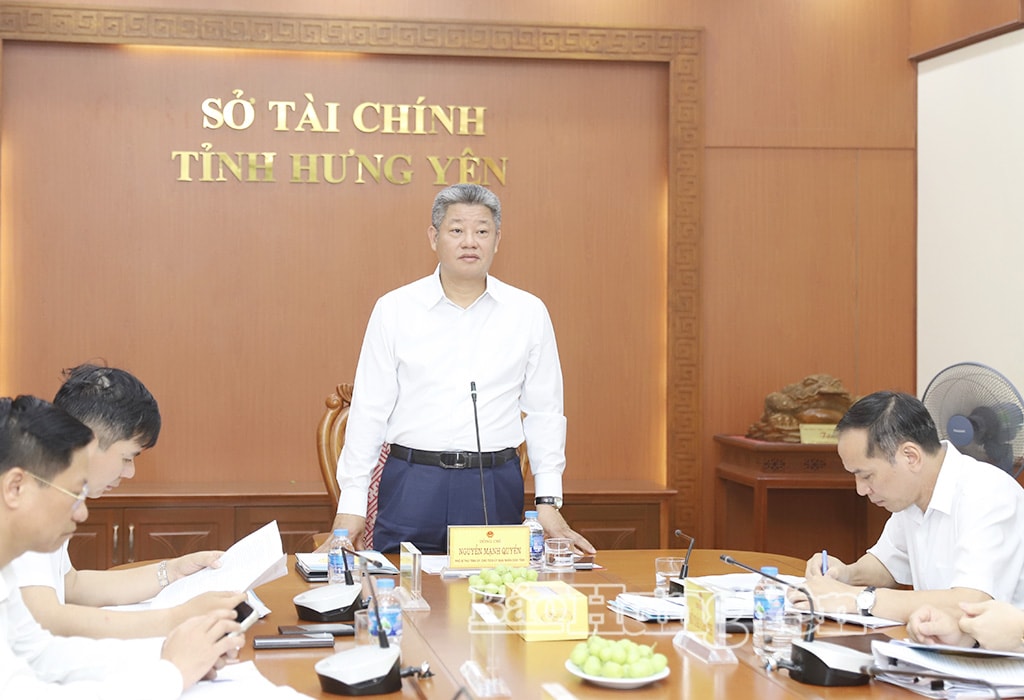
According to Chairman of the Hung Yen Provincial People’s Committee Nguyen Manh Quyen, the finance sector needs to proactively unlock resources, create room for development and lead investment. (Photo: Hung Yen Newspaper)
Unlocking resources, creating momentum for development
According to Chairman of the Hung Yen Provincial People’s Committee Nguyen Manh Quyen, in the context of increasingly demanding growth requirements, the finance sector must not only perform the task of balancing budget revenues and expenditures, but also take a more proactive role in advising and managing operations, creating room for development and guiding investment resources. This is not only an immediate requirement to ensure the achievement of the province’s 2026 growth targets, but also a strategic solution to build a long-term development foundation for the locality.
In reality, resources for development do not only come from the state budget, but also from off-budget investment, public assets, land funds, ongoing investment projects and even savings generated through effective financial management. The key issue is to proactively review, assess and adopt suitable solutions to unlock these resources and turn them into drivers of growth.
In particular, public investment continues to play a key role in leading and activating social resources. The formulation of the 2026 public investment plan and the medium-term public investment plan for the 2026-2030 period is not only aimed at allocating capital for works and projects, but must also target the creation of new growth drivers, stronger infrastructure connectivity and the expansion of economic development space.
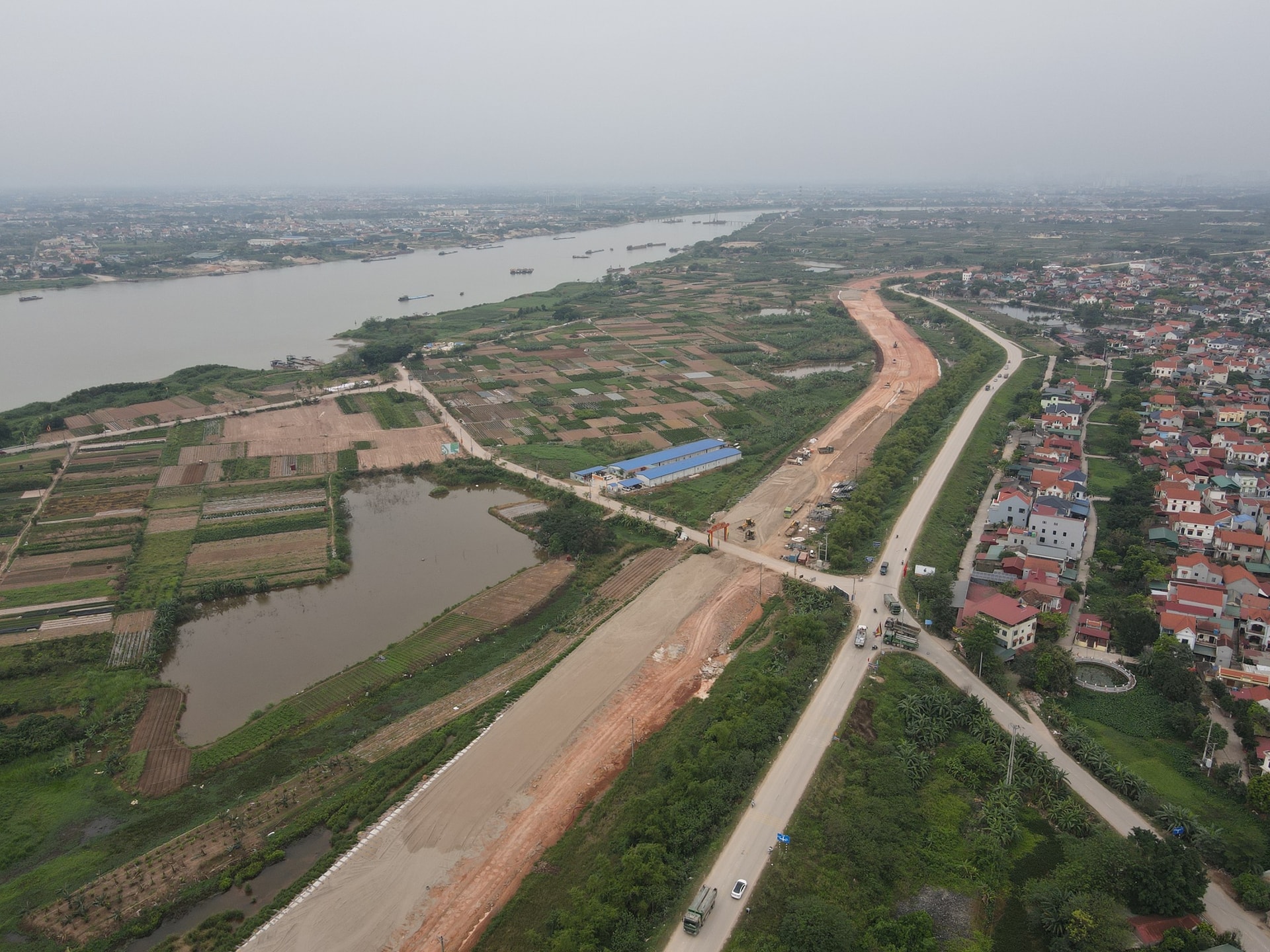
The “Heritage Connection Road” project is a key public investment project, playing an important role in infrastructure connectivity, creating momentum for socio-economic development and effectively tapping into the locality’s cultural and tourism values.
Mr. Nguyen Manh Quyen said that every dong from the state budget must be used effectively and in a focused manner to maximize its role as “seed capital”, creating spillover effects and attracting off-budget investment. This requires the finance sector to proactively provide flexible policy advice and prioritize resources for connectivity projects, key projects and projects capable of generating high added value and promoting socio-economic development.
At the same time, reviewing long-delayed projects is also an urgent requirement to avoid wasting resources. In reality, many delayed projects not only reduce the efficiency of land and investment capital use, but also negatively affect the investment environment and business confidence. Therefore, decisively removing obstacles for projects capable of implementation, while thoroughly handling prolonged delayed projects, is an important solution to free up resources for development.
Another notable issue is the management and handling of public assets after administrative restructuring. If managed and utilized effectively, public assets can become an important resource serving socio-economic development. On the contrary, wasteful or inefficient use would narrow development space and place greater pressure on the state budget.
In the current context, the requirement is not only to strictly manage public assets, but also to proactively study suitable exploitation plans to create additional resources for development investment. This is also an important direction for improving the efficiency of public resource utilization in the coming period.
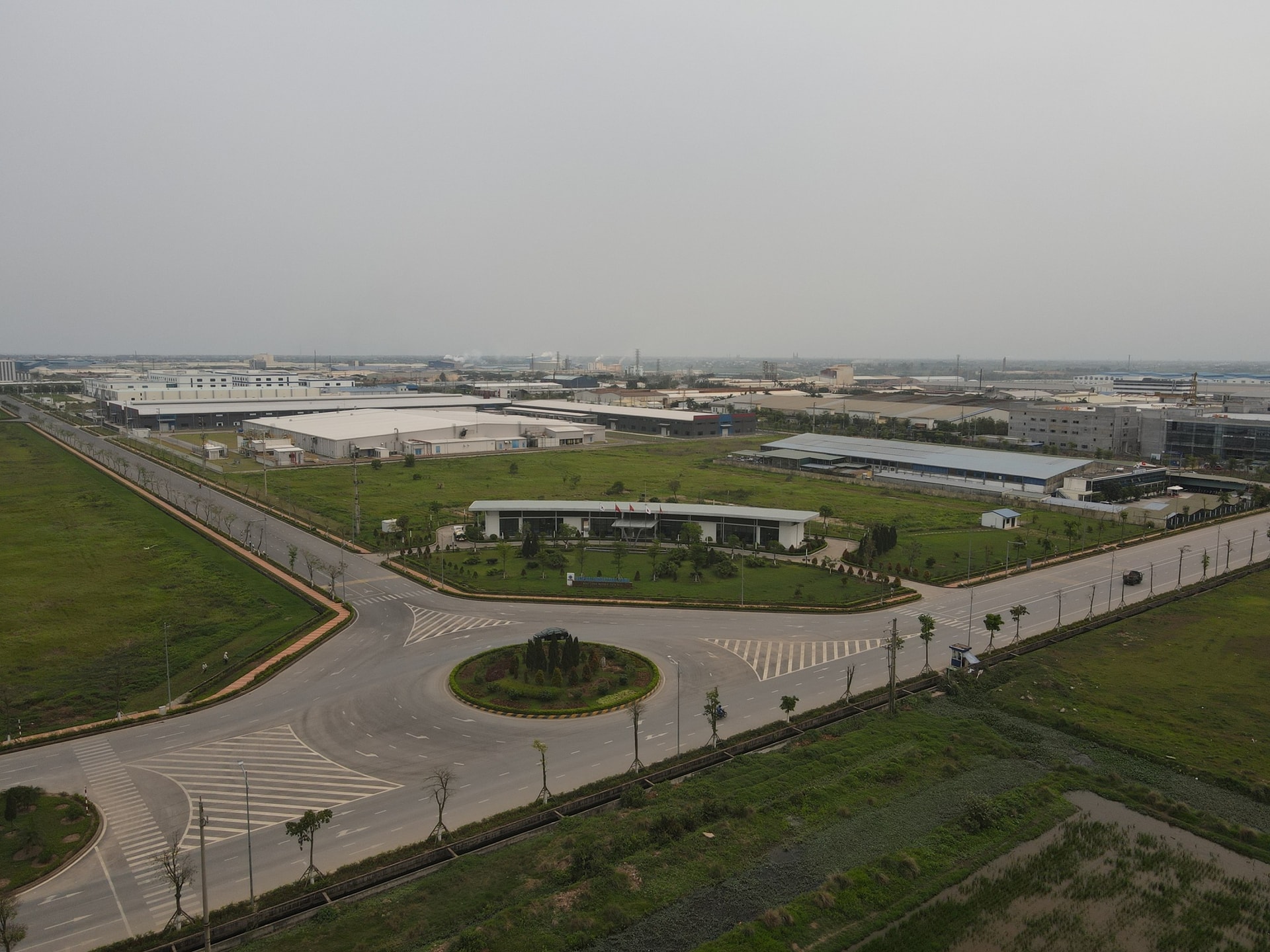
Public investment must truly play the role of “seed capital”, leading development investment and creating spillover effects for social resources. (Photo: Tien Hai Viglacera Industrial Park)
Promoting the role of the “chief strategist”
According to Hung Yen Department of Finance Director Nguyen Duc Tai, amid increasingly demanding growth requirements, Hung Yen is targeting GRDP growth of 11–12% in 2026. In the first quarter alone, the province’s economy recorded positive signals as GRDP grew by 10.43%, exceeding the proposed scenario and making Hung Yen one of the few localities nationwide to achieve double-digit growth. However, to fulfill the full-year target, growth in the second quarter and the first six months must continue to be maintained at a minimum of 10.6%, requiring even greater proactiveness in governance and in unlocking development resources.
Along with its growth targets, the province is focusing on accelerating disbursement and improving the efficiency of public investment. In 2026, the total public investment capital assigned to Hung Yen by the Prime Minister, after a 5% saving cut, reached nearly VND 41 trillion; so far, most of the capital has been allocated for the implementation of key programs and projects.
In the field of finance and budget, state budget revenue collection in the province has continued to maintain positive results, with total revenue reaching more than VND 26 trillion as of early May, creating additional room for governance and development investment. At the same time, the province has stepped up the review, reorganization and handling of public assets in order to effectively utilize existing resources and avoid waste following the restructuring of the administrative apparatus and administrative units.

According to Mr. Nguyen Duc Tai, Director of the Hung Yen Department of Finance, the province’s GRDP growth rate in the first quarter reached 10.43%, surpassing the planned target and making Hung Yen one of only four localities to achieve double-digit growth.
Regarding off-budget investment, the province is focusing on reviewing delayed projects in order to remove obstacles, while also resolutely handling prolonged projects and projects with inefficient land use. This is considered one of the key solutions to free up resources, create more room for development and improve investment attraction efficiency in the coming period.
Along with its task of budget management, the finance sector is increasingly playing a more proactive role in advising local economic development. This requires financial management not only to ensure a balance between revenues and expenditures, but also to improve forecasting capacity and develop growth scenarios that align with actual conditions.
Chairman of the Hung Yen Provincial People’s Committee Nguyen Manh Quyen emphasized that, amid ongoing economic fluctuations, the finance sector needs to closely coordinate with sectors and localities to closely monitor budget revenue collection, public investment disbursement and the ability to mobilize social resources, thereby promptly advising on flexible and effective governance solutions.
More importantly, financial management must stay one step ahead in advising development, from budget administration to the allocation of public investment capital, all aimed at creating new growth drivers. At the same time, tightening financial discipline and improving the efficiency of budget, public investment and public asset management will help expand development space and build confidence among businesses and investors.
It can be seen that the finance sector is playing the role of a “chief strategist” in budget balancing, serving as the focal point for coordinating, unlocking resources and leading investment for development.
With a proactive, flexible and decisive spirit in governance, along with a focus on removing bottlenecks related to resources, the finance sector will continue to play an important role in achieving the province’s growth targets in 2026 and the years ahead.
Author: KIM DUNG – VU PHUONG (THANH TRA translates)
RECOMMENDED TOPICS