VN
VN
 EN
EN
22/07/2026, 02:38
Investment
Hung Yen: Turning waste into green resources
Phu Cu waste-to-energy plant is expected to thoroughly treat waste, supplement the power grid, and turn the circular economy into a driving force for green growth in Hung Yen.
With a population of approximately 3.5 million people, it is estimated that the total volume of domestic solid waste generated daily in this locality ranges from 1,850 to 2,000 tons/day. As rapid urbanization and industrialization take place, waste treatment has become a challenging puzzle involving environmental protection, land funds, quality of life, energy, and sustainable development capacity.
In this context, the Phu Cu waste-to-energy plant is expected to open up a new cycle where waste is treated using modern technology and thermal energy is recovered to generate electricity. With a capacity of 1,600 tons/day-night and 40 MW, the project contributes to reducing landfill pressure, shaping a circular economy, and driving green growth for Hung Yen.
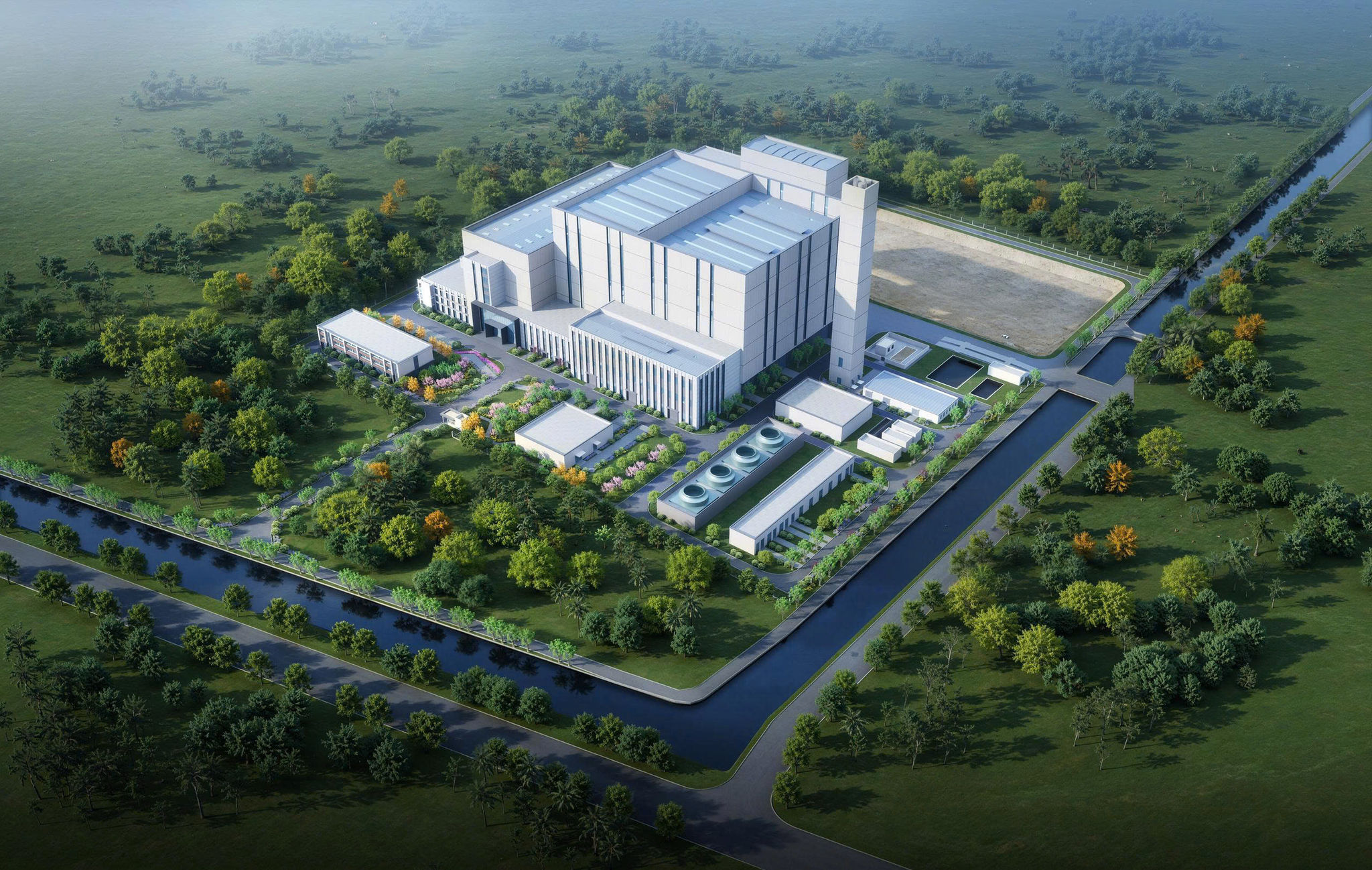
Perspective of the Phu Cu waste-to-energy plant project in Doan Dao commune, Hung Yen province
Reducing Waste Pressure
According to Decision No. 68/QD-UBND of the Hung Yen Provincial People's Committee, the Phu Cu waste-to-energy plant project is being deployed in an area of about 7 hectares, with Thien Y - Huy Anh Environmental Energy Joint Stock Company serving as the investor.
With a total investment capital of around 4,000 billion VND, the plant will have a design capacity of 1,600 tons of waste per day and night, equivalent to about 80-86% of the domestic waste currently generated across the province. The expected power generation capacity will reach 40 MW.
Speaking with the Business Forum (Diễn đàn Doanh nghiệp), Mr. Ha Thanh Hoa, Deputy General Director of the project, stated, "with this scale, the project is an infrastructure complex that simultaneously processes waste and produces energy, creating additional value from a raw material source that was previously considered something to be discarded."
The plant is designed to process municipal solid waste, buried waste, and ordinary industrial solid waste using mechanical grate incineration technology of the Waterleau type from Belgium. Thermal energy from the incineration process is recovered to generate steam and electricity.
According to the investor, the plant is scheduled to start operations in the second quarter of 2027. The goal of early operation therefore places high demands on organizational capacity, capital mobilization, site clearance, construction, and procedural coordination.
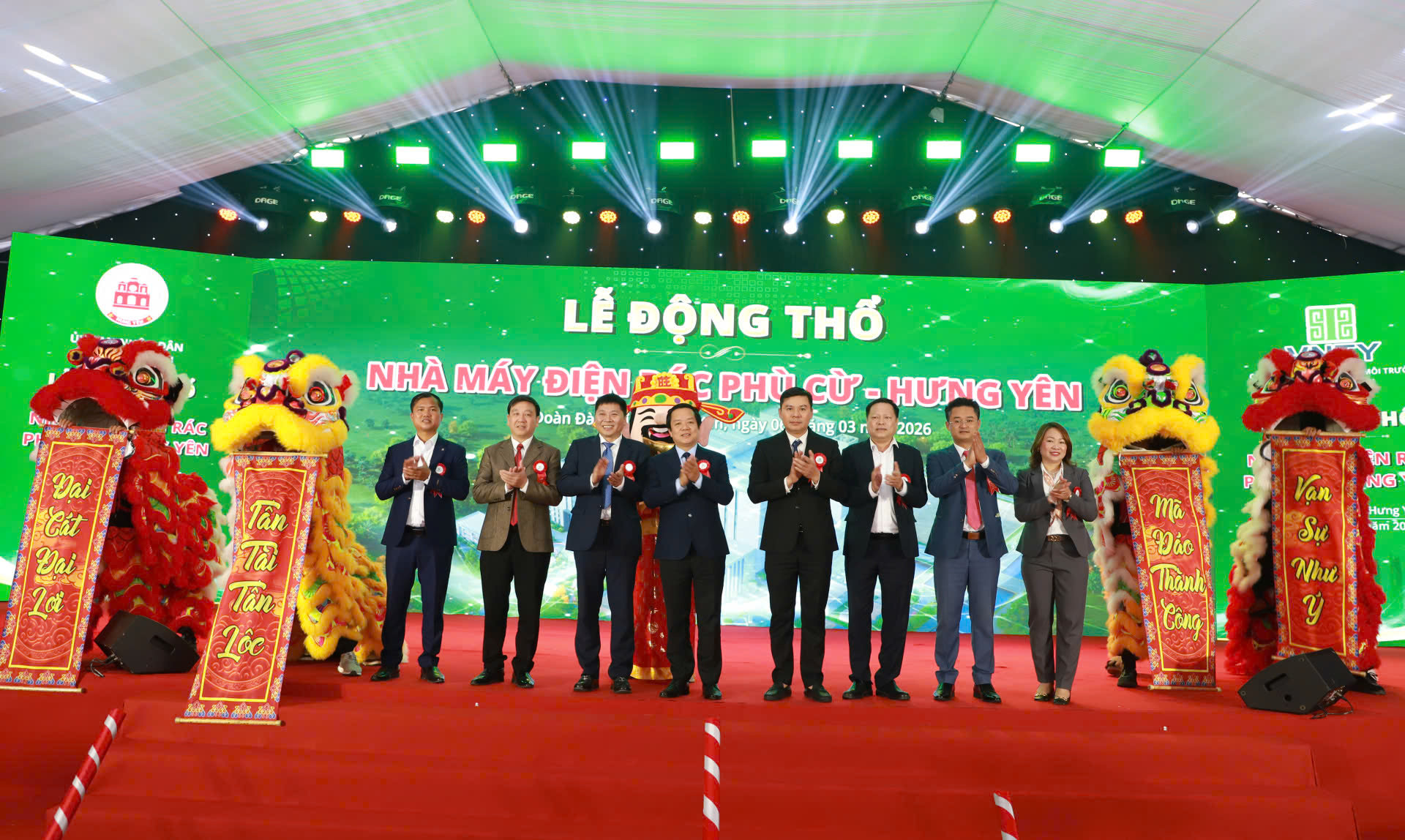
Leaders of the Provincial Party Committee and People's Committee of Hung Yen, along with the investor, perform the groundbreaking ceremony for the plant in March 2026
Once completed, the project can create multi-dimensional impacts. First and foremost, it will reduce the volume of waste sent to landfills, saving land funds and limiting the risks of prolonged pollution. Following that, it will supplement the local power grid with energy recovered from waste, contributing to the diversification of on-site energy sources.
Looking further ahead, the project can generate jobs and increase the demand for transport, engineering, maintenance, and environmental services, while simultaneously promoting the reorganization of the waste collection, transportation, and sorting system toward a more professional approach.
"Waste will therefore no longer end its journey at the landfill. It becomes the input for a new production chain, where environment, energy, and economy are interconnected in a circular model," said Mr. Ha Thanh Hoa.
A Litmus Test for the Green Investment Environment
At the plant's groundbreaking ceremony in March 2026, Permanent Vice Chairman of the Hung Yen Provincial People's Committee Nguyen Le Huy requested the investor to concentrate resources, apply advanced management standards, ensure operational efficiency, and fully comply with environmental protection regulations.
Provincial departments, sectors, and local authorities were tasked with coordinating support for the investor regarding land, construction, and site clearance, while strictly monitoring the project execution process—ranging from environmental protection and firefighting to security and order.
This approach demonstrates that a favorable investment environment does not equate to lowering management standards. The government's support must be shown in two aspects: untangling procedural bottlenecks so the project can be deployed on schedule and exercising strict oversight to protect the long-term interests of the community.
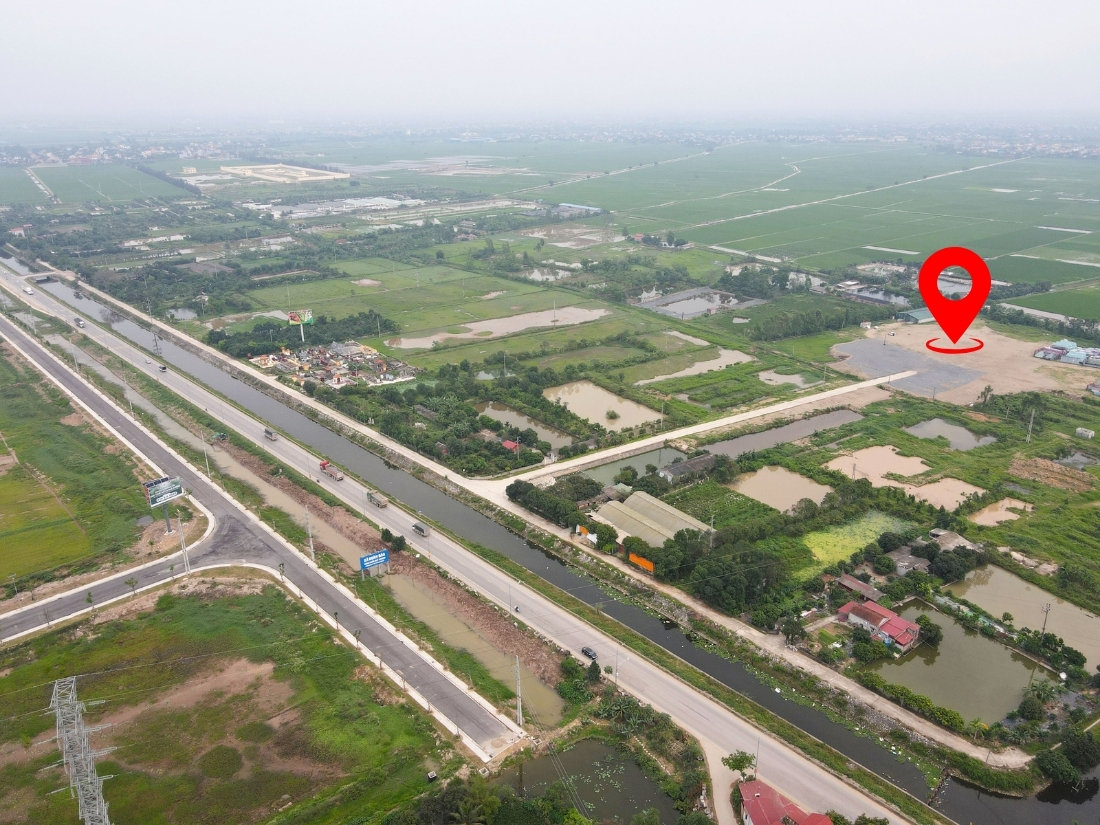
The plant possesses a favorable geographical location and convenient transportation access
For a waste-to-energy plant, what citizens care about most is whether emissions are controlled, landfill leachate is treated, fly ash and bottom ash are managed, and monitoring information is transparent. A "green project" is only truly sustainable when modern technology goes hand-in-hand with operational discipline, independent monitoring, and accountability. This is both a requirement for the investor and a test for the local government's management capacity.
On a broader scale, the Phu Cu waste-to-energy plant is also a link in the journey to achieve low-carbon development targets. At COP26, Vietnam committed to achieving net-zero emissions by 2050, while also participating in the goal of reducing methane emissions by 30% by 2030 compared to 2020 levels.
Organic waste decomposing in landfills can generate methane—a greenhouse gas that heavily impacts global warming. Diverting waste away from landfills, treating it under controlled conditions, and recovering energy can therefore contribute to emission reduction efforts, provided that the plant is operated up to standard and coupled with waste sorting and recycling.
When the plant goes into operation on schedule, runs safely, and operates transparently, the greatest value of the project will be the confidence that economic growth and environmental protection can truly "walk down the same path."
Author: KIM DUNG - VU PHUONG (Dang Truong translates)
RELATED TOPICS
RECOMMENDED TOPICS