VN
VN
 EN
EN
22/07/2026, 02:38
Investment
Institutional reforms needed for rental housing
Alongside efforts to advance the National Rental Housing Fund, Viet Nam needs to change its approach to housing development and view rental housing as essential social infrastructure, similar to education, healthcare or public transport.
The rapid development of the real estate market over the years has made an important contribution to economic growth, infrastructure investment, urban expansion, and the growth of dozens of related industries. However, behind the market’s fast pace of development lies a major gap in the country’s housing structure.
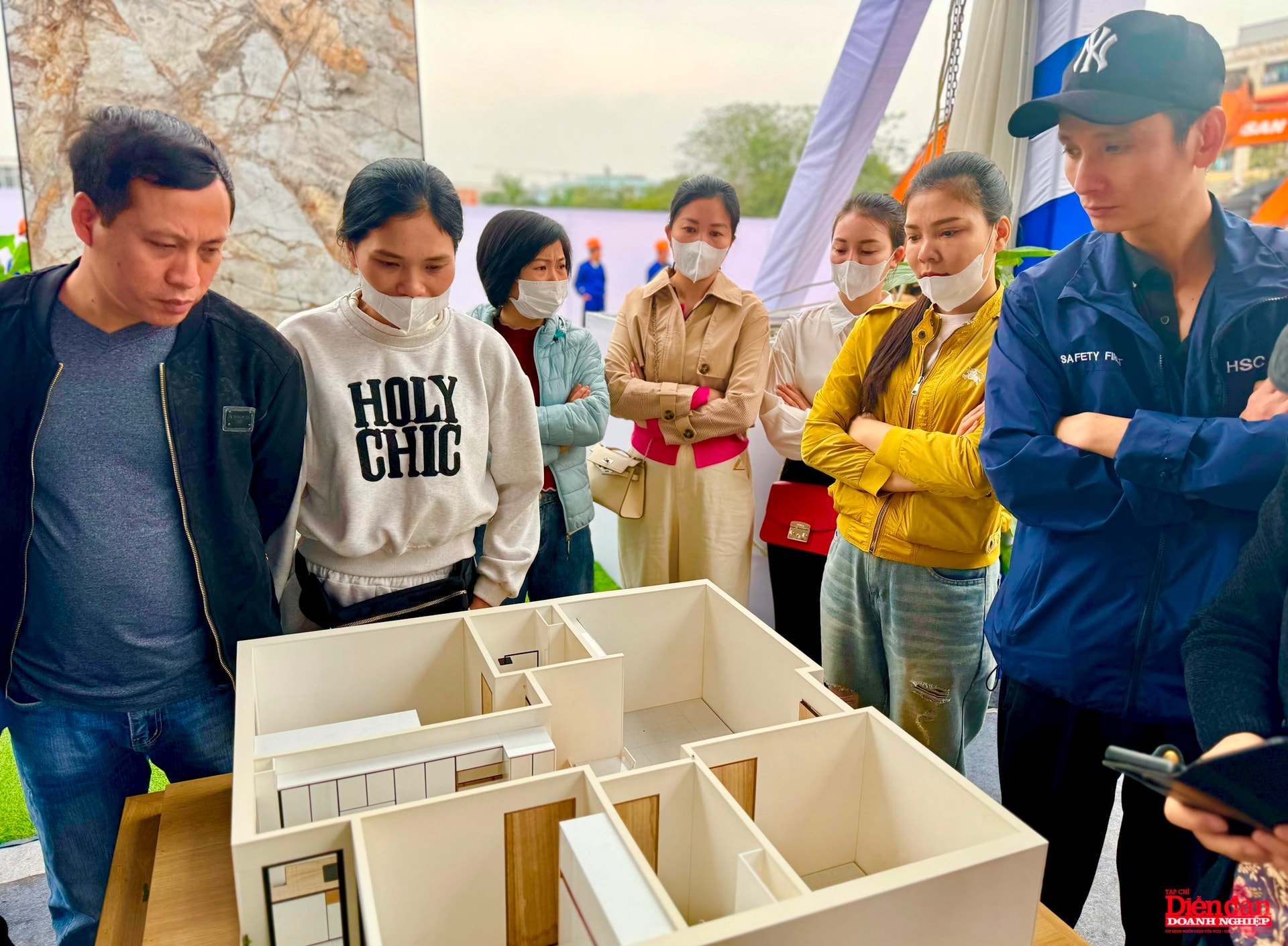
There are currently around 4.5–5 million workers employed in industrial parks, most of whom need housing. Photo: LV
Viet Nam has developed a wide range of housing products for sale, but it has yet to establish a professional, long-term rental housing system with systematic guidance from the Government. The rental market remains largely informal, fragmented, and poorly integrated into urban planning and has not ensured stable living conditions for residents.
This issue was also emphasized by General Secretary and President To Lam in the new policy direction for housing. According to VARS IRE, this does not mean restricting people’s legitimate demand for investment or asset ownership. Rather, it aims to build a more balanced market structure that better accommodates real housing demand, ownership demand, investment demand, and rental operation demand.
International Experience
In many developed countries, rental housing is considered an important pillar of the social welfare system and urban stability.
In Germany, the homeownership rate is only about 46%, the lowest in Europe, yet the country remains among those with the highest quality of life in the world. Germany’s success comes from a strong legal system that protects tenants. The government applies the “Mietspiegel” mechanism, a reference rent table published by local authorities to control rent increases over specific periods. Landlords cannot arbitrarily raise rents or terminate contracts without legitimate reasons prescribed by law. This allows residents to regard rental housing as a stable long-term home.
Singapore, meanwhile, has chosen a model in which the State plays a central role in housing development. Today, more than 80% of Singapore’s population lives in housing estates developed by the Housing & Development Board (HDB). In addition to the 99-year leasehold homeownership model, Singapore also maintains a public rental housing system for low-income groups, with rents heavily subsidized by the State budget. Notably, these housing estates do more than meet residential needs. They are planned together with schools, healthcare facilities, transport links, and public amenities, helping to form high-quality residential communities.
In South Korea, the government has strongly developed long-term rental housing through the Korea Land and Housing Corporation (LH). The State directly invests in, or acquires, commercial apartments for long-term rental periods of 20–30 years, targeting students, newly married couples and low-income earners. Funding is mobilized through the National Urban Fund with preferential interest rates and long-term financial instruments. As a result, South Korea has both ensured housing welfare and maintained stability in the real estate market.
International experience shows that the State’s role is decisive in developing sustainable rental housing. Unlike housing for sale, where capital can be recovered quickly, rental housing requires a very long payback period, often lasting 15–25 years, while profit margins are not high. If left solely to ordinary market mechanisms, the private sector will have little incentive to participate.
Changing the Mindset On Housing Development
According to VARS IRE, Vietnam needs to change its housing development mindset and view rental housing as essential social infrastructure, similar to education, healthcare, or public transport. When planning major urban areas, the State should introduce incentives and preferential policies on taxes and land-use fees so that enterprises can proactively integrate long-term rental housing or high-quality social housing into their projects.
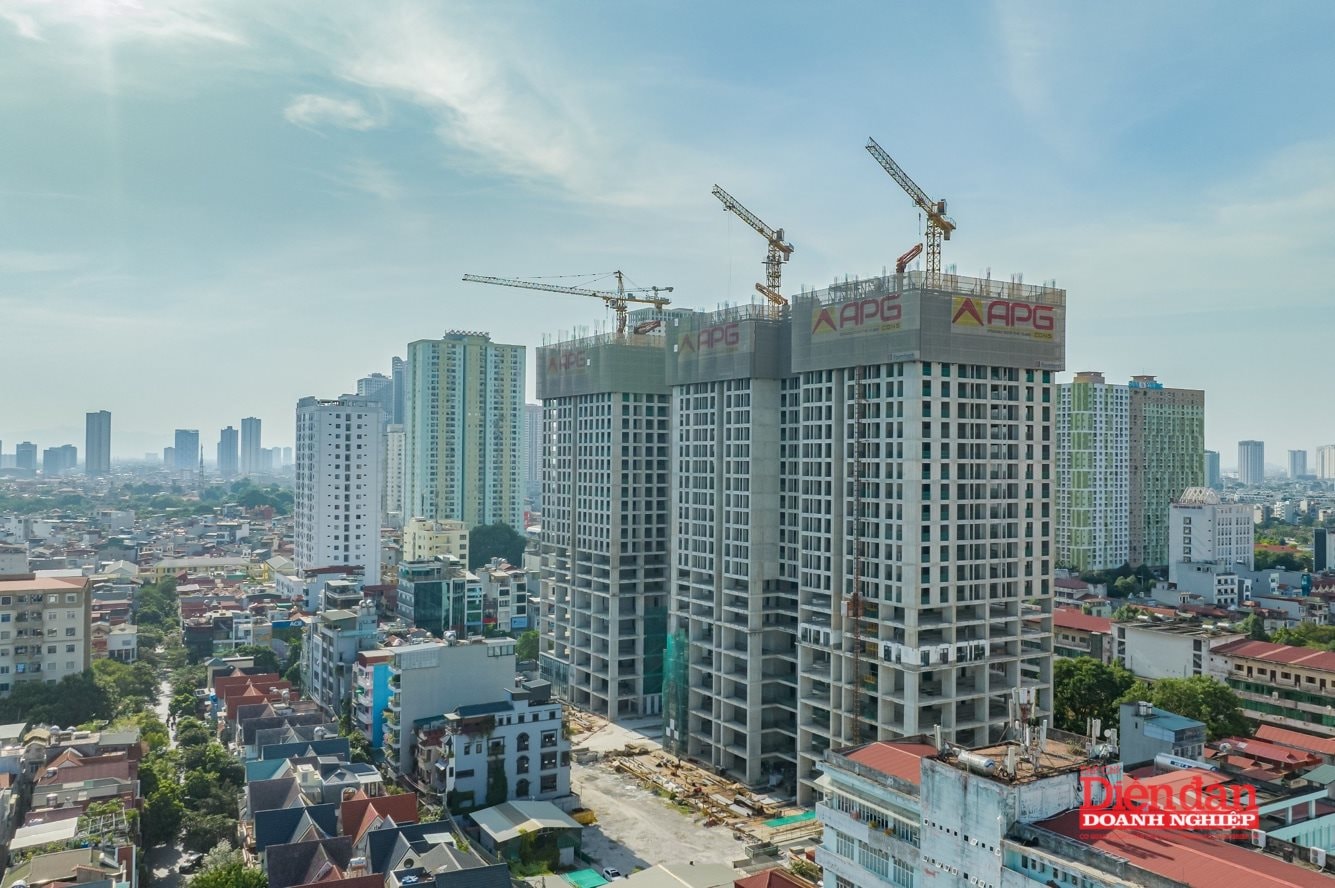
The State should introduce incentive mechanisms for enterprises developing rental housing
At the same time, a long-term financial system should be designed for this segment through housing savings funds, low-interest preferential credit, and tax exemption or reduction mechanisms for enterprises developing rental housing. Without "special institutional design," it will be very difficult for the private sector to participate in this segment at scale.
Another important issue is that Viet Nam needs to build a separate legal framework for the rental housing market to protect tenants’ rights. At present, tenants are often in a weaker position when facing sudden rent increases, unexpected contract termination, or inadequate living conditions. Therefore, Viet Nam should gradually develop a Rental Housing Law with specific provisions on rental contracts, rent increase limits, quality standards for rental housing, and the responsibilities of property owners.
Alongside the State’s leading role, enterprises should also be encouraged to develop housing for workers and laborers. Labor-intensive enterprises should receive support in terms of taxes, infrastructure, and financial mechanisms when investing in rental housing for their workers.
Global trends show that a sustainably developed real estate market is one that provides a full range of options suited to people’s different needs and levels of affordability. Those with financial capacity should be free to choose commercial housing products that meet their needs, while low-income groups should be able to access rental housing at reasonable costs. This is also the foundation for Vietnam's real estate market to enter a new stage of development: more efficient, more humane, and more sustainable.
Author: NHU QUYNH - TRUONG DANG
RELATED TOPICS
RECOMMENDED TOPICS